
Caring for Your Trees in Winter: Mulching, Protecting Against Cold Snaps & Snow
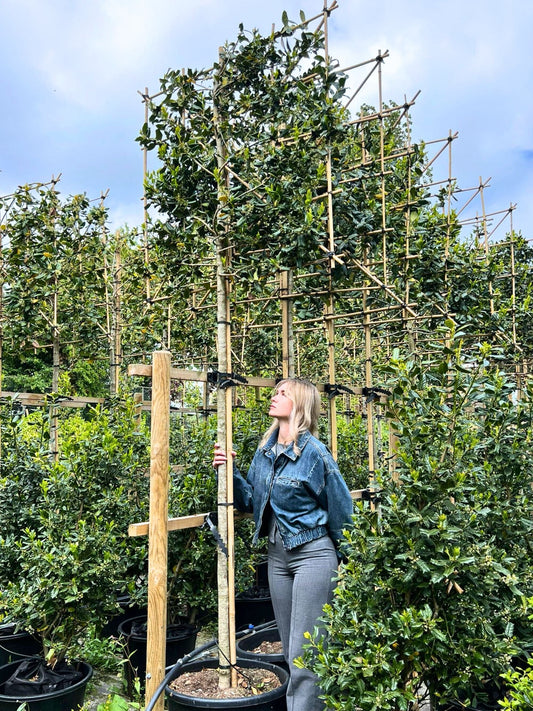
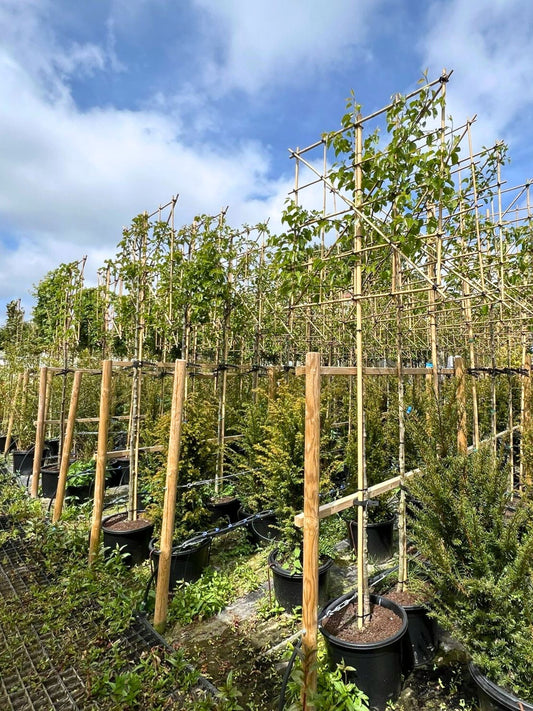
Winter might bring frosty mornings and chilly days, but it’s also the perfect time to get your garden ready for a fantastic year ahead. It’s quiet now, but your pleached trees are just waiting to thrive when spring arrives. Take a moment to check stakes, ties, and frames. These little jobs make a big difference. And while you’re at it, why not pop out some food for the birds? They’ll thank you for it!
Choose trees suited to your winter weather
Choose varieties with a hardiness rating suited to your garden. Trees rated H6 are hardy throughout the UK and northern Europe, with a minimum temperature range of approximately -20°C to -15°C. They are a good option for colder gardens, although shelter, drainage and how well a tree has established also affect how it copes with winter.
View our range of H6 pleached trees
Make the most of the planting season
October to April is a good planting period for many trees, particularly dormant rootballed varieties. Cooler weather usually means less watering than a summer planting, and roots can begin to establish whenever soil conditions are suitable. Container-grown trees can be planted at other times of year too, with suitable aftercare.
If you are planning the space beneath your pleached trees, this is also a good opportunity to choose complementary planting. Our ready-made borders can help bring the whole scheme together, with planting timed to suit the plants and soil conditions.
Wait for suitable conditions during a cold snap
If a cold snap arrives on planting day, check the soil before you begin. Wait until it has thawed and is workable, and avoid planting into waterlogged ground. Do not break through frozen soil simply to get the trees planted. While you wait, keep trees sheltered and protect their roots from frost and drying out.
When conditions improve, dig a hole wide enough to accommodate the roots comfortably and position the first main roots at soil level. Backfill with the excavated soil rather than placing a layer of compost beneath the rootball. Remove containers before planting and follow the instructions supplied with rootballed trees for handling their wrapping.
Water in with ordinary, unheated water, allowing it to soak into the soil. Mulch newly planted trees to help retain moisture and protect the rooting area, leaving a clear gap around the trunk. Then head indoors for a well-earned cup of tea.
Check stakes, ties and frames
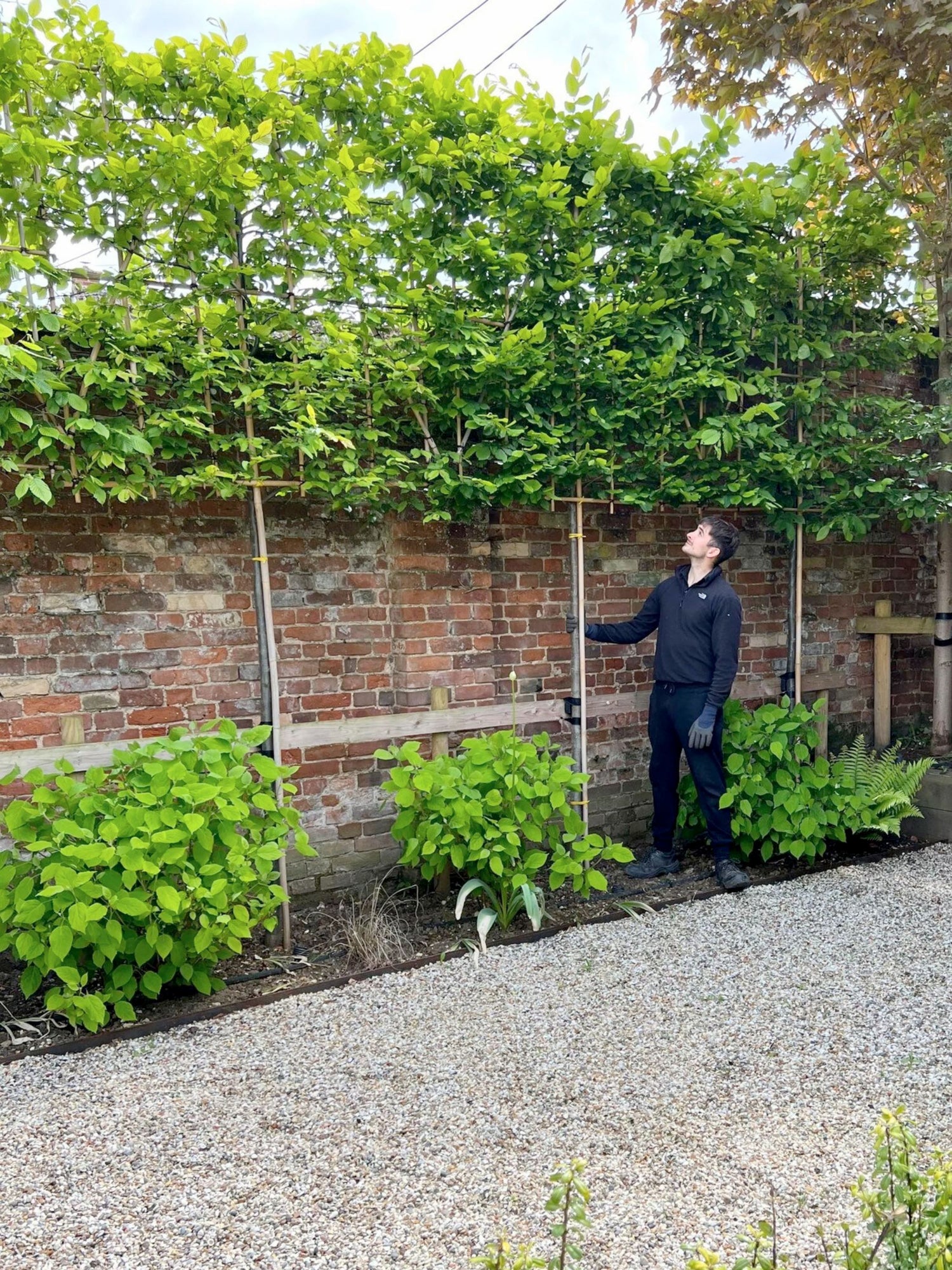
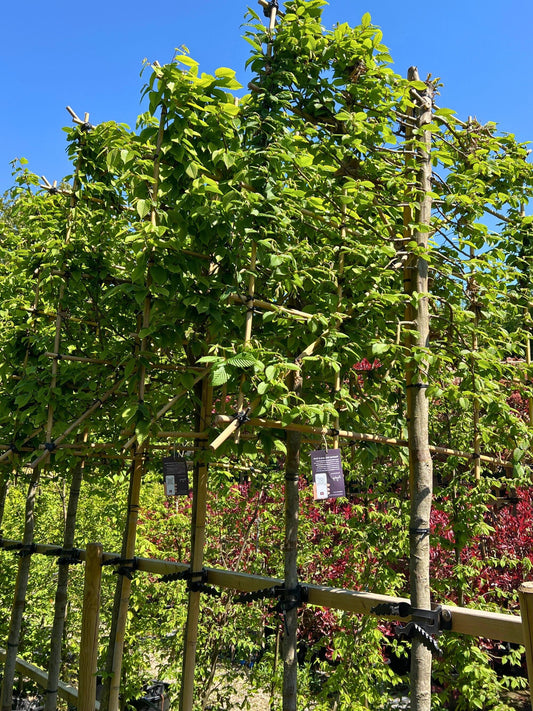
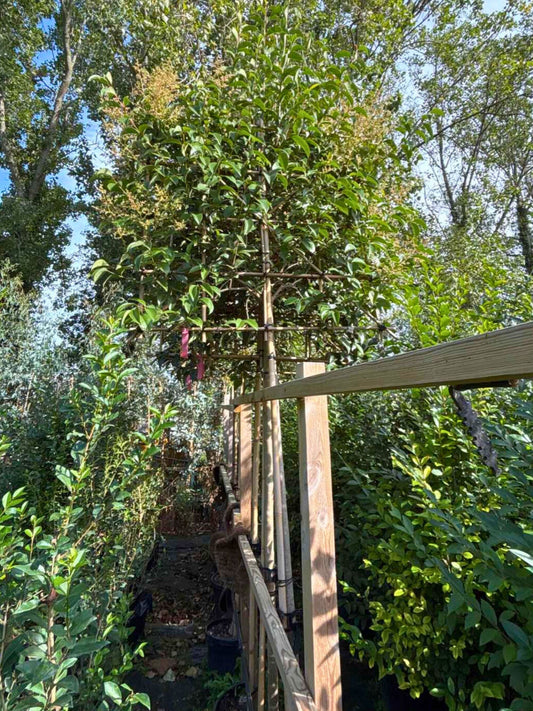
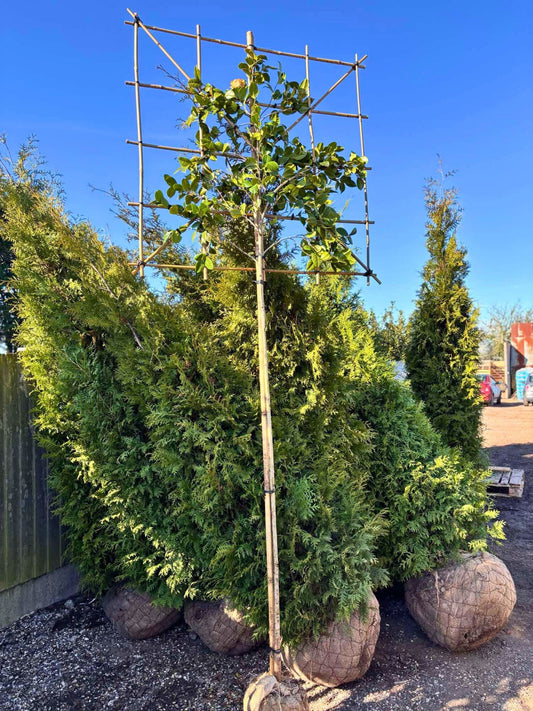
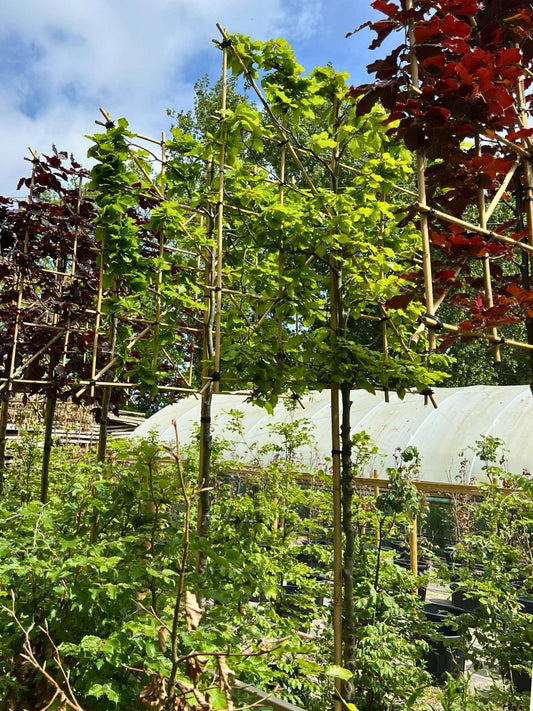
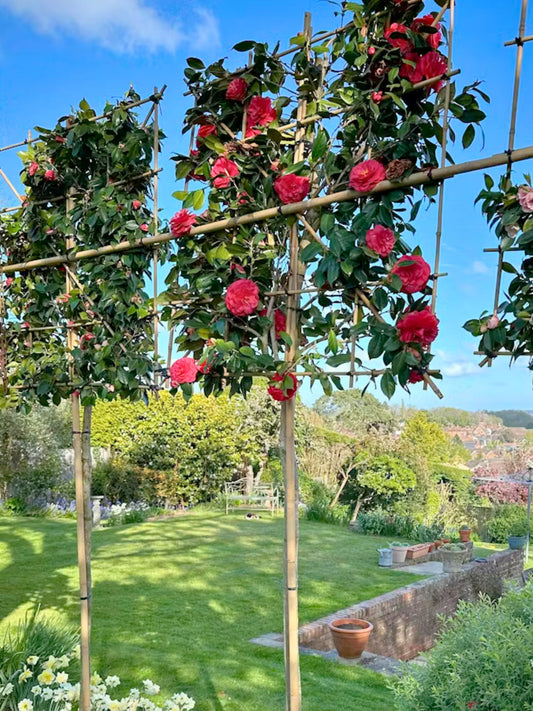
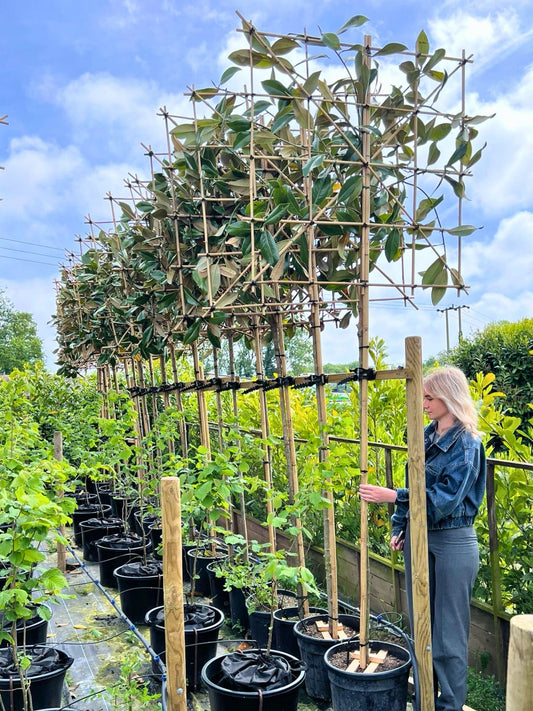
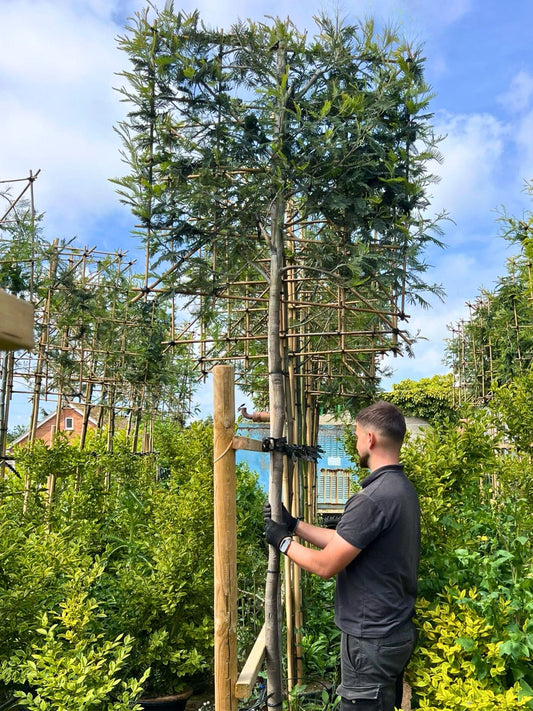
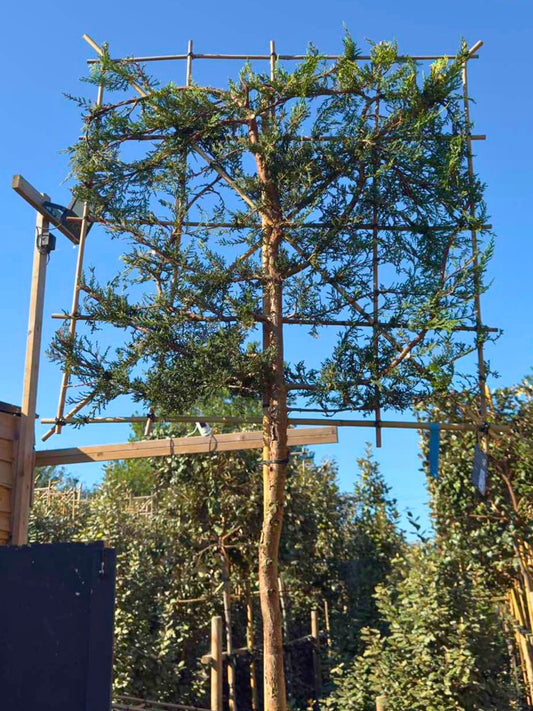
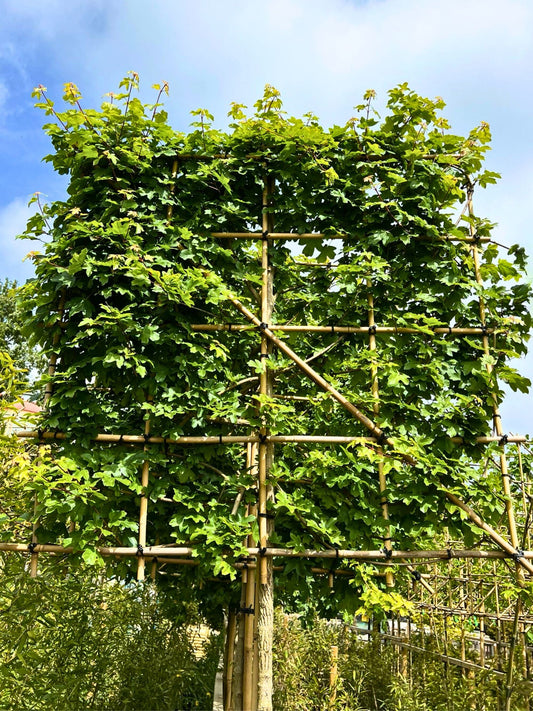
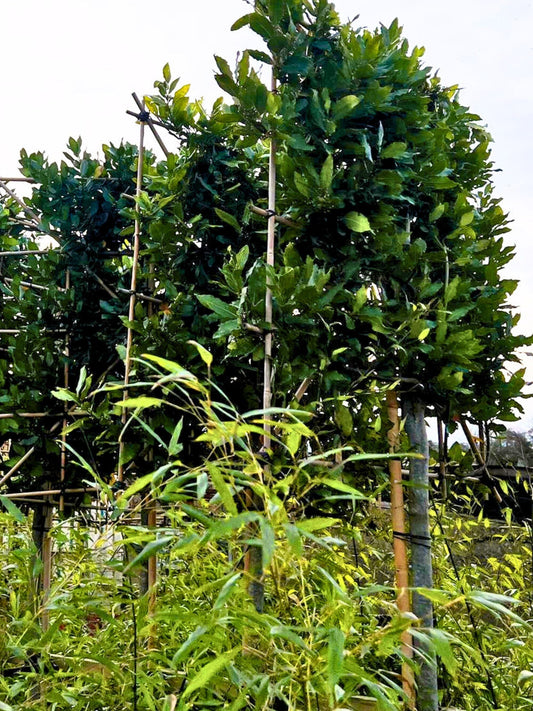
Check that stakes remain firm and tree ties are secure, particularly after strong winds. Adjust any ties that are rubbing or digging into the bark, including those along the central bamboo cane. Replace worn ties and check the pleach frame for loose or broken canes.
The supports should keep the roots stable while allowing the trunk a little movement. Make small repairs where you can reach safely from the ground, and ask a garden professional for help with anything beyond easy reach.
Firm in trees loosened by frost or wind
If frost or wind has loosened the soil slightly around a newly planted tree, gently firm it back around the roots once the ground is neither frozen nor saturated. Check the stakes and ties afterwards to make sure the tree remains properly supported.
If the tree has developed a significant lean or its rootball has lifted, contact a garden professional before trying to reposition it. Avoid pulling it upright by the trunk, which could cause further root damage.
Clear debris and check drainage
Clear fallen twigs and loose debris from around supports, and remove leaves blocking nearby drainage channels. After heavy rain, check for standing water around the roots. Avoid walking on or digging into saturated soil, and seek advice from a garden professional if water repeatedly collects or fails to drain.
During dry spells, check moisture around newly planted trees, especially evergreens. Water only if the soil around the roots is beginning to dry, choosing a mild day when the ground is unfrozen.
Gently brush off heavy snow
Snow can collect on pleached canopies, particularly evergreen varieties, and weigh down branches and frames. Where you can reach safely from the ground, gently brush away loose, heavy snow with a soft brush before it builds up.
Avoid striking or vigorously shaking the branches, and leave ice or firmly frozen snow to thaw naturally. Keep clear of branches that appear damaged or at risk of breaking.
Assess damage after storms
Once the weather has settled, check your trees from ground level for split branches, damaged trunks and movement around the roots. Keep clear of hanging branches or unstable trees, and arrange professional help for anything that cannot be assessed or reached safely.
If the main trunk has snapped or split, act promptly and ask a qualified tree surgeon to assess the damage. Keep clear of unstable stems or hanging branches, and seek advice before attempting a temporary repair, such as binding the trunk with tape or ties or applying grafting wax. These measures are not a reliable long-term solution and will not make a damaged trunk safe. Whether the tree can be retained will depend on the position and extent of the damage, and replacement may be necessary.
If you have been badly affected by storm damage
You are not alone. We will help guide you to save your trees, but if replacement becomes necessary, we are here to support you. As a gesture of goodwill, we may be able to offer a discount on replacement trees previously purchased from us that were lost to adverse weather, at the manager’s discretion, and delivery fees may apply. If you reorder, we will ensure any new trees match the bamboo frame style of your existing ones, keeping your garden looking its best.
Prune suitable varieties while dormant
For some deciduous pleached trees, winter is a suitable time for pruning while the branches are bare and their structure is easy to see. Check the advice for your species before cutting back, as other trees need pruning at a different time of year.
Choose a mild day, use clean, sharp tools and avoid pruning during freezing conditions. Leave large branches or difficult cuts to a qualified tree surgeon, and check for occupied bird nests before starting work, even in winter.
Care for your trees throughout the year
A little care each season will help your pleached trees settle in, grow well and keep their shape. Our full care guide brings together practical advice to help you look after them throughout the year.