
Top Five Garden Trends for 2026
With 2026 now underway, it feels like the right moment to reflect on how dramatically our gardens have been shaped by the past year. Last summer’s hosepipe bans and dry soil were a wake-up call. Fast forward to today and much of the UK has been dealing with heavy snowfall and frozen ground. Rather than chasing short-term looks, homeowners are now focusing on planting and layouts that cope calmly with everything the UK weather can throw at them. From heatwaves to hard frosts, this year’s trends are all about resilience, balance, and gardens that grow stronger over time.
1. Climate-Aware Gardening
Climate-aware gardening moves firmly into the mainstream in 2026. Gardeners are choosing plants and materials that can handle dry summers, wet winters, frost, and sudden temperature changes, a direction echoed in the Royal Horticultural Society’s 2026 gardening predictions.
Water butts are now a staple in many gardens, helping to capture rainfall and reduce reliance on mains water during hosepipe bans. Soil improvement, mulching, and the use of UK winter-hardy plants are being prioritised, creating gardens that remain healthier throughout the year. The focus is no longer on peak summer performance alone, but on gardens that stay stable and manageable across all seasons.
2. Layered Planting
Layered planting continues to define well-designed gardens. By combining trees, shrubs, and lower-level planting, gardens feel fuller, more natural, and far more resilient.
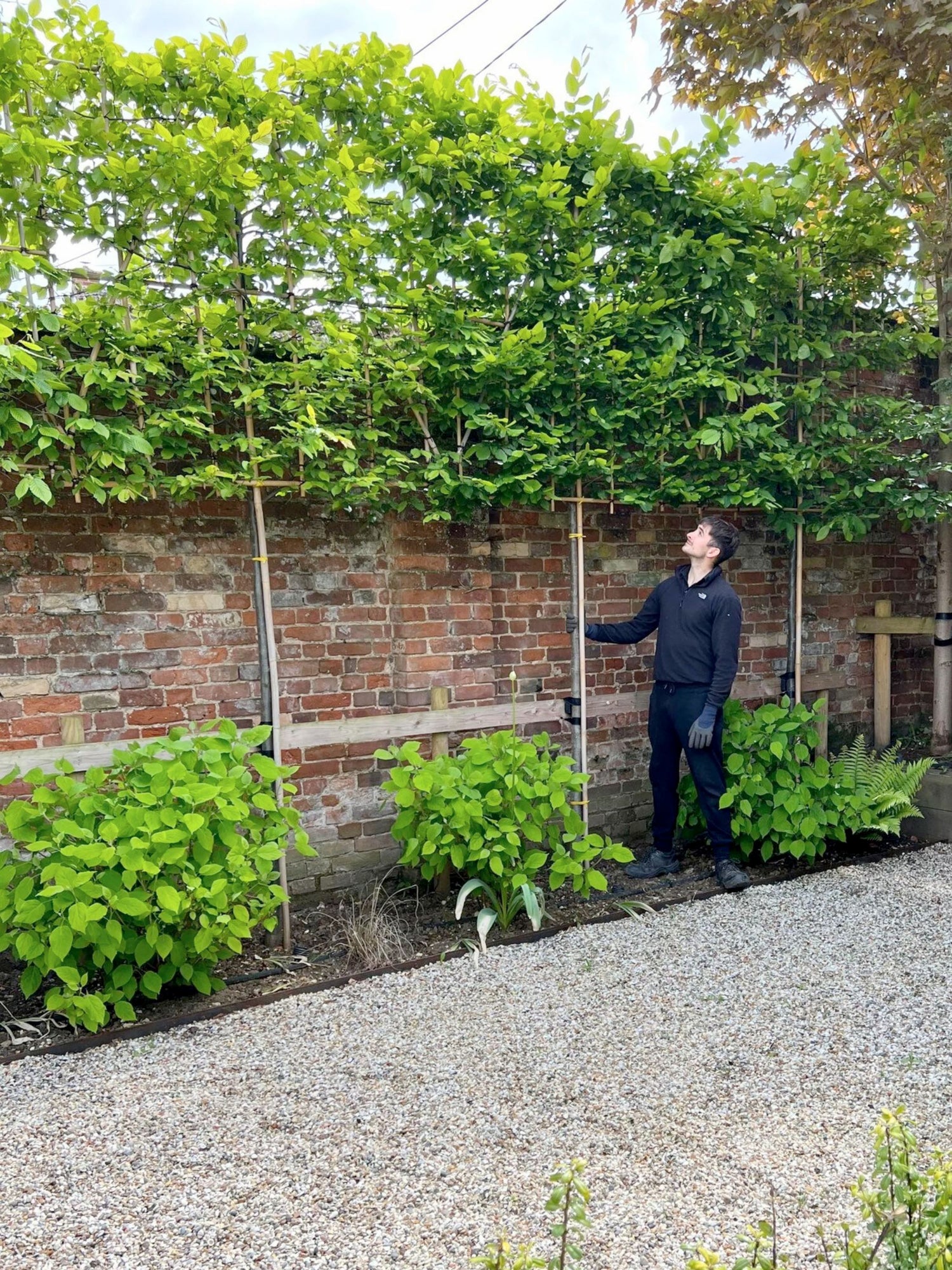
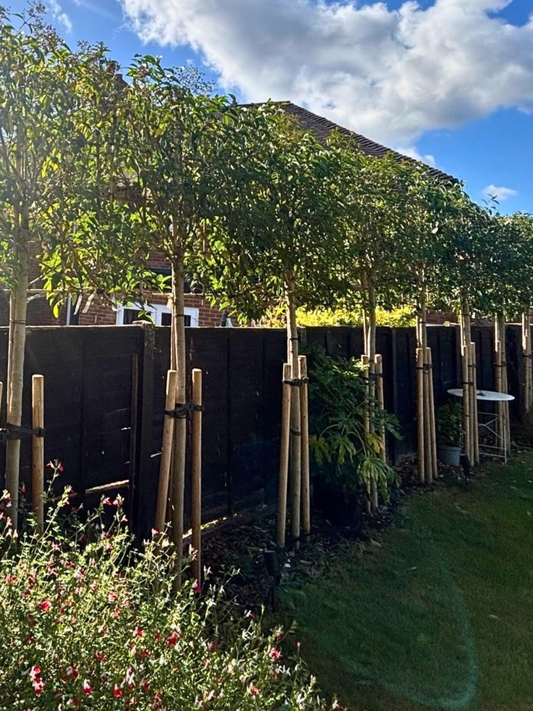
This approach offers practical benefits as well as visual appeal. Trees provide structure and shade, shrubs create privacy and wind protection, and underplanting helps retain moisture and improve soil health. Mixed planting schemes are increasingly recommended as part of long-term garden resilience planning.
3. Tropical Looks & In-and-Out Plants
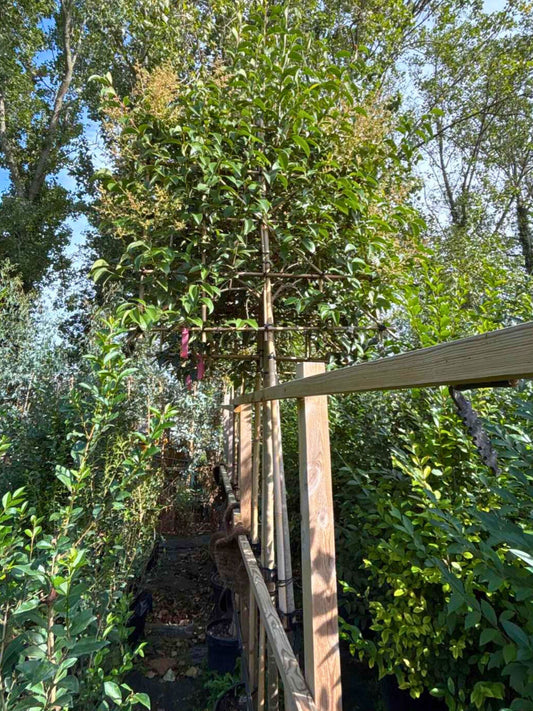
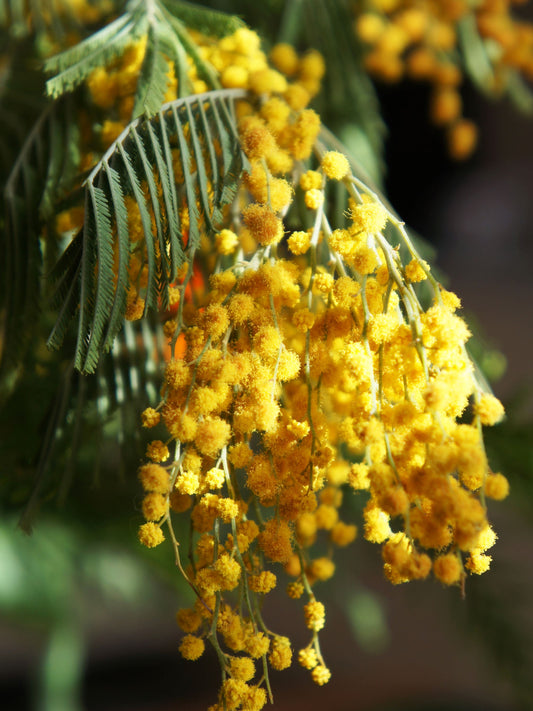
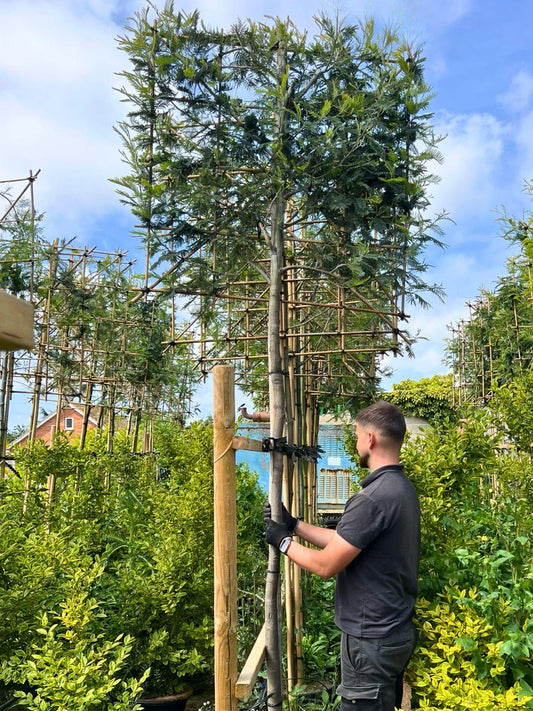
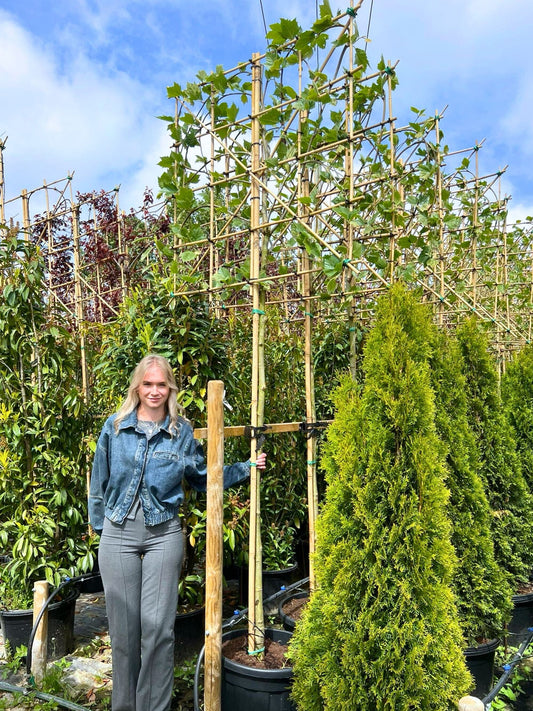
The appetite for lush, leafy gardens shows no sign of slowing in 2026. Jungle and tropical-inspired planting remains popular, but with a more practical twist. This year, we saw a real surge in interest in our tropical-looking pleached Mimosa at RHS Hampton Court , loved for its exotic feel and statement presence.
Pair this look with in-and-out plants and it really comes into its own. Many houseplants thrive outdoors during the warmer months, benefiting from increased light and airflow, before returning indoors for winter protection. This flexible approach has been highlighted by the RHS as a practical response to hotter summers and colder winters, allowing gardeners to enjoy bold planting without compromising on resilience.
4. Biodiversity and Pollinators
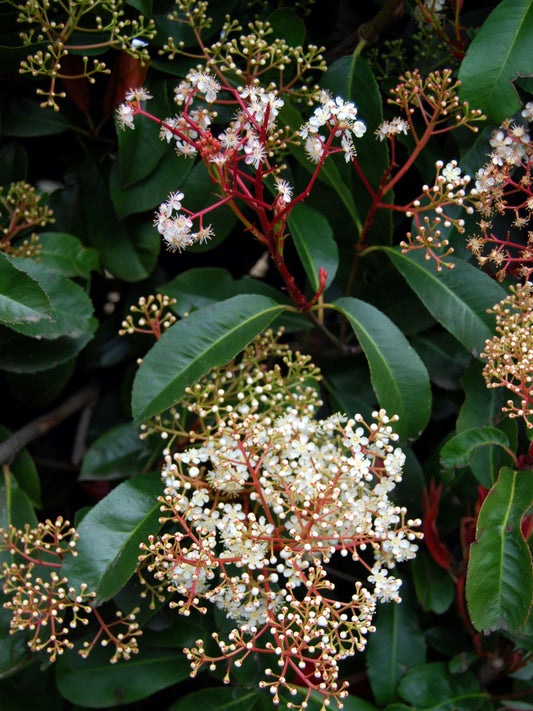
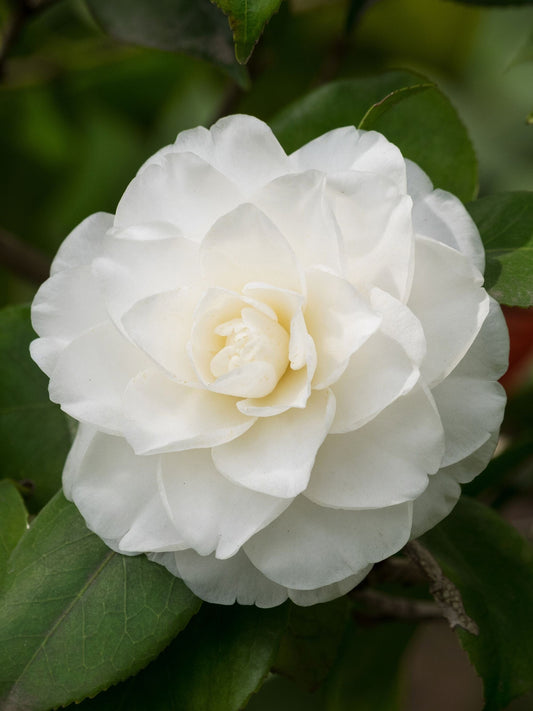
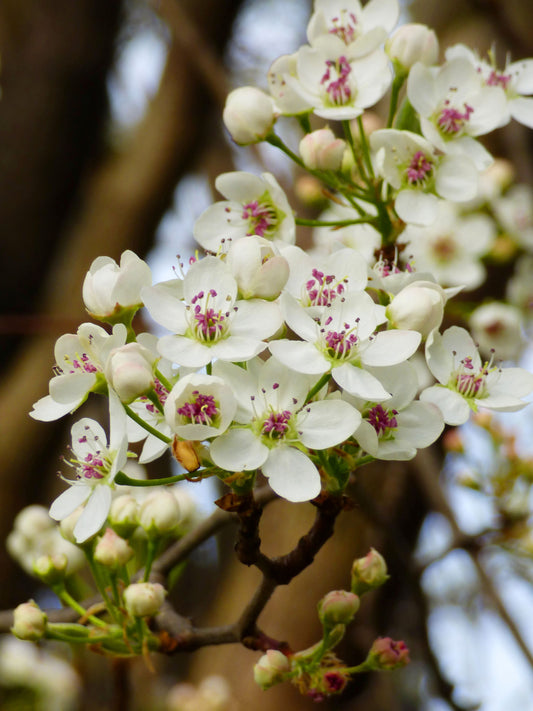
We called it in 2025 when biodiversity was tipped as an emerging trend. In 2026, it becomes a clear priority and pollinators feature strongly in the RHS list too. Gardeners are increasingly planting with pollinators in mind, choosing flowers, trees, and shrubs that provide nectar, berries, and shelter throughout the year.
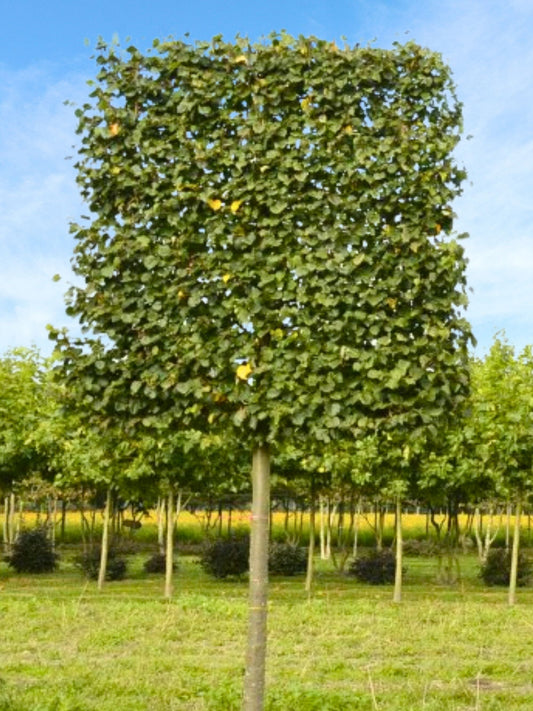
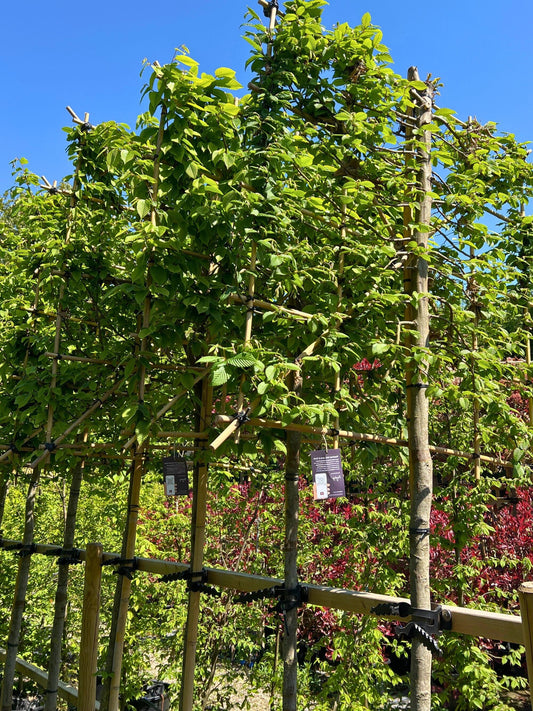
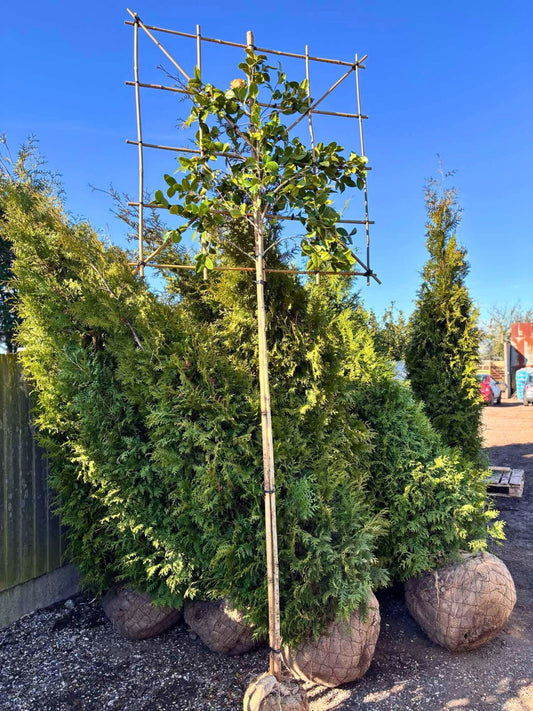
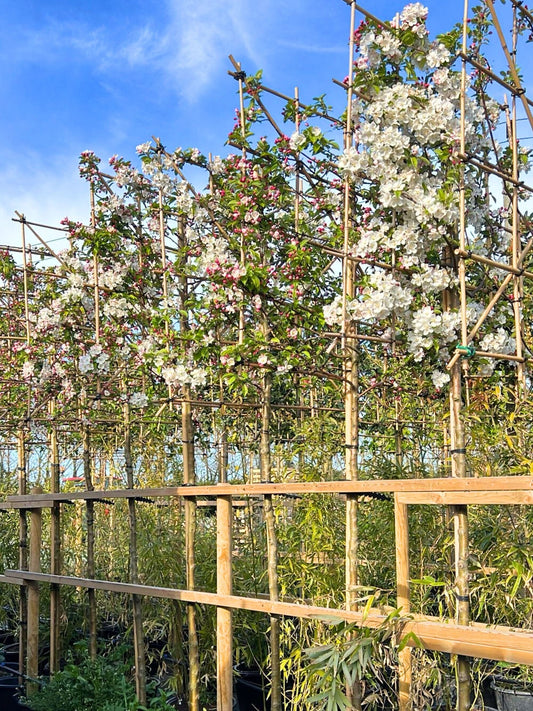
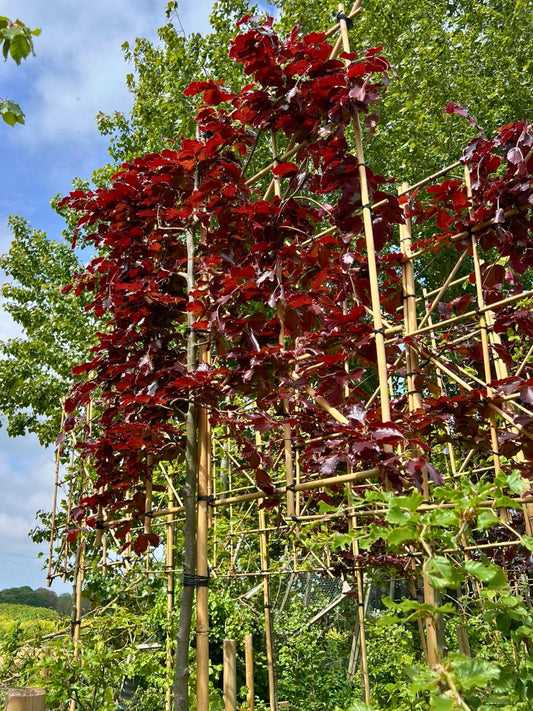
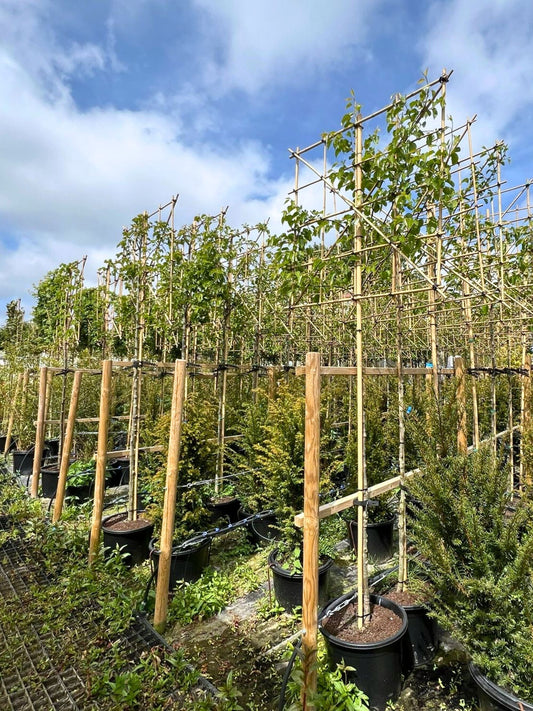
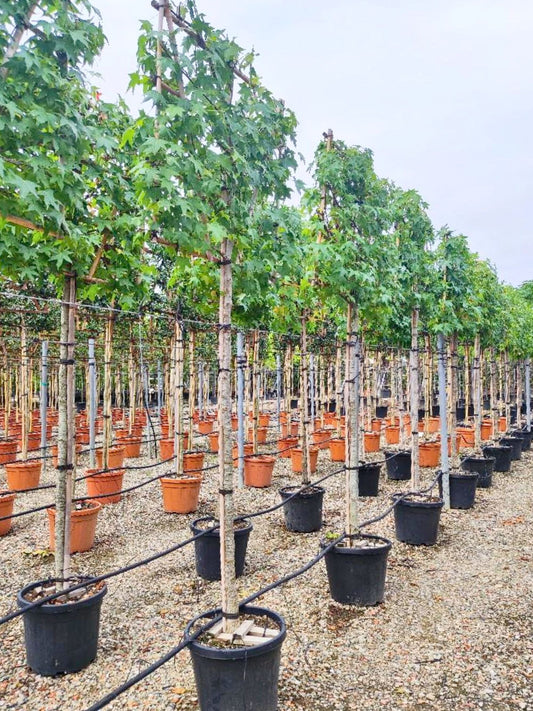
We were delighted to be ahead of the curve with our pleached Limes on show at The Nectary at Gardeners’ World Live. Pollinator-friendly planting is no longer a niche choice. It is becoming a natural part of thoughtful garden design.
5. Statement Pieces with Lasting Appeal
Gardeners are increasingly investing in fewer, better pieces that bring structure and longevity to their outdoor spaces. Large statement planters are becoming an often-requested feature. Think oversized terracotta pots handcrafted from premium Italian clay, valued for their breathability, durability, and timeless character. Designed for living plants rather than decoration, these high-quality pieces help planting thrive while allowing gardens to mature gracefully and improve with age.
Gardens in 2026: Resilient, Natural, with a Tropical Twist
This year’s trends reflect a shift towards gardens that feel balanced, natural, and reassuring. Whether it is climate-aware planting, layered design, lush foliage, or biodiversity-led choices, 2026 is about creating outdoor spaces that work with nature rather than against it.









![Ultra-Mature Small-Leaved Lime Pleached Tree [Tilia cordata 'Greenspire'] | Mature Pleached Trees](http://justpleachy.co.uk/cdn/shop/files/ultra-mature-small-leaved-lime-pleached-tree-tilia-cordata-greenspire-mature-pleached-trees-pleached-tree-deciduous-small-leaved-lime-pleachy-trees-248905.jpg?v=1746369655&width=533)