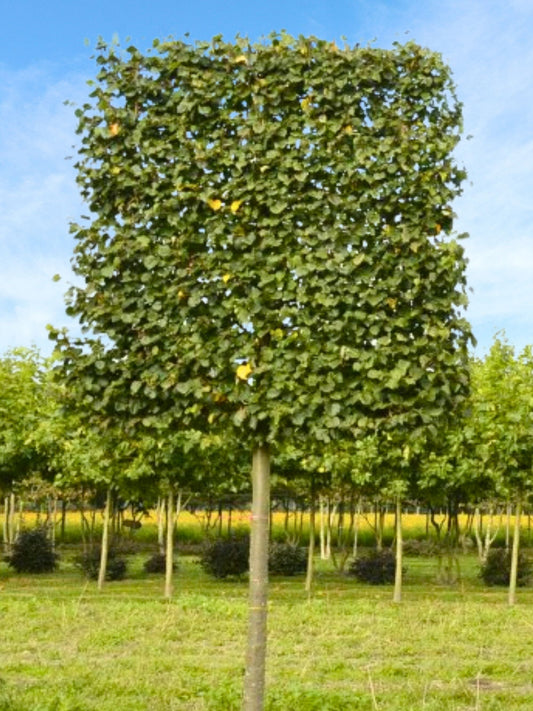

Pruning Guide: How and When to Prune Pleached Trees
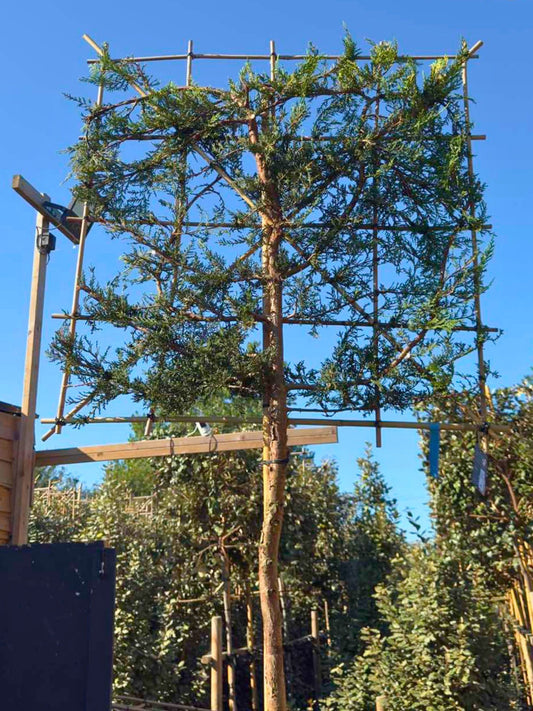
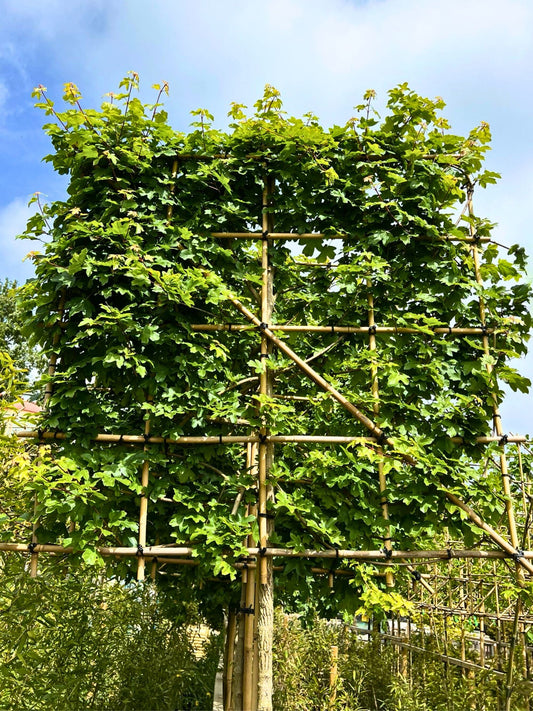
Pruning plays a vital role in maintaining the desired form and density of pleached trees. Regularly trimming new growth and removing dead, damaged, or crossing branches contributes to the elegance of these exquisite trees.
Watch Expert Guidance: Award-Winning Designer & BBC1's Garden Rescue Presenter, Lee Burkhill, provides valuable insights on pruning in this fantastic video.
Pruning Pleached Trees: Quick Guide
When to Prune Pleached Trees
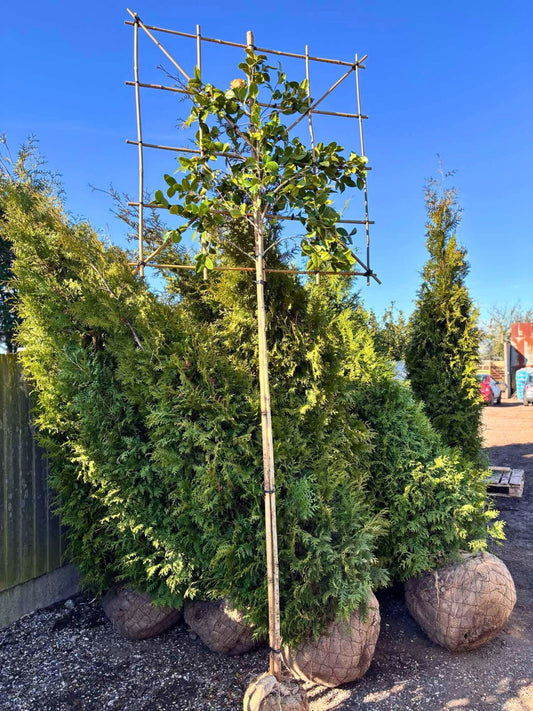
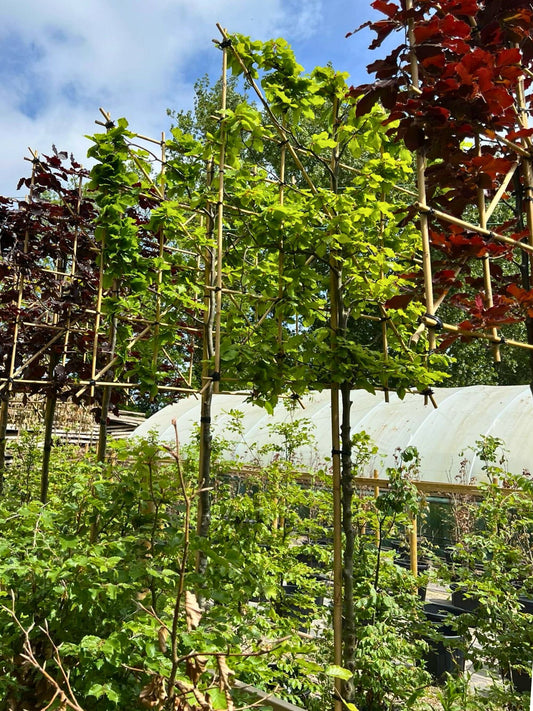
The optimal timing for pruning pleached trees is typically twice a year, during their dormant periods in early spring and late autumn. During these phases, you can trim shoots that extend beyond the frame or train them to cover any gaps, helping your pleached trees maintain their appearance.
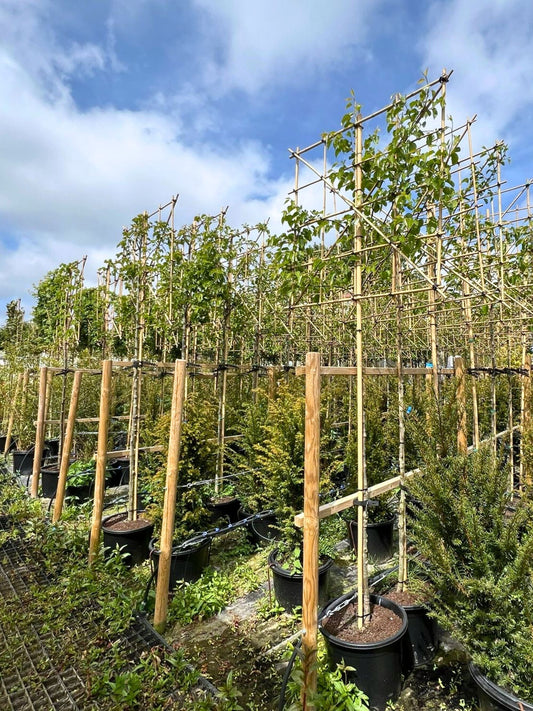
Light pruning can also be done in summer to maintain shape. However, you do not have to limit the foliage to the edges of the pleach frames once your tree reaches that stage. These frames are there for the training stage, acting like a skeleton. Once the foliage thickens up, you can keep the foliage on top to whatever dimensions work for you.
How to Prune Pleached Trees
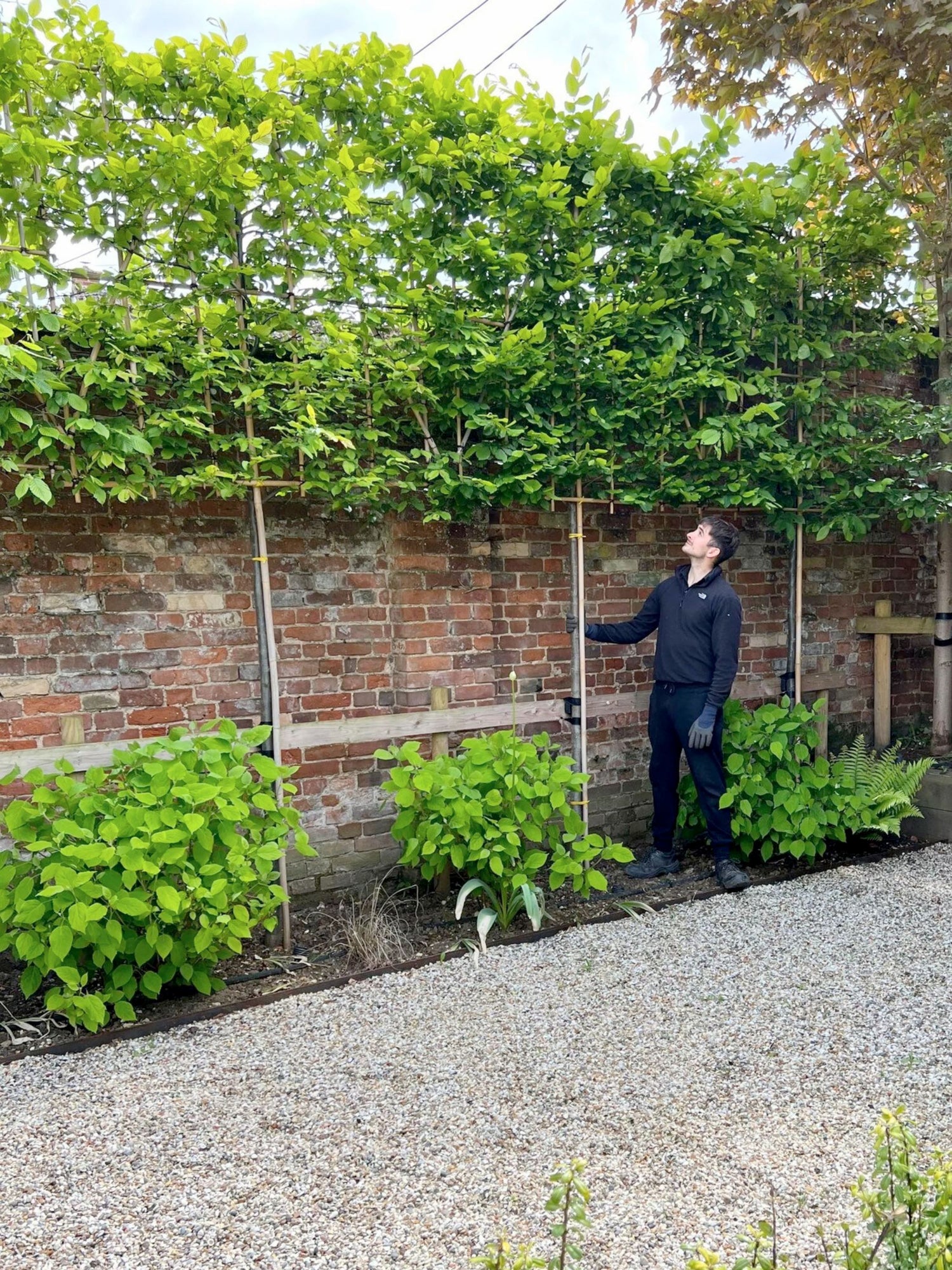
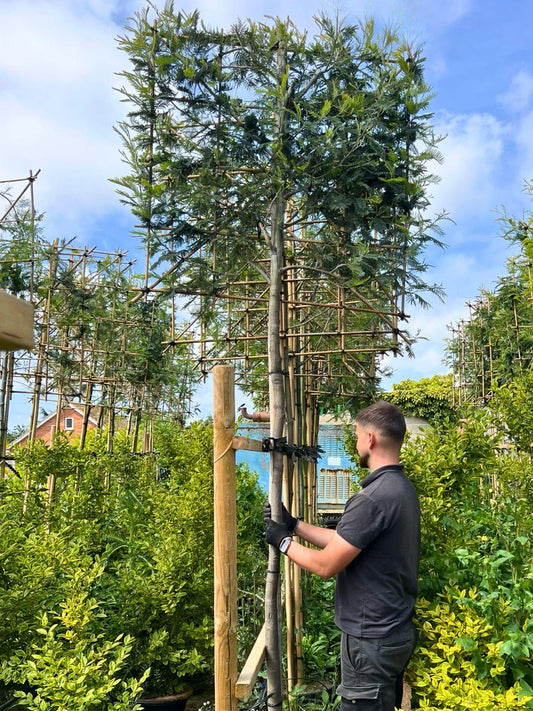
Pruning is a fairly straightforward process for pleached trees. Trim any shoots that grow beyond the frame, or use rubber ties to secure them within the frame to cover any gaps. Always use clean, sharp secateurs for the best results. The aim is to shape your pleached trees to your desired shape and size.
When pruning:
- Cut at a diagonal angle away from a bud to prevent water from sitting on the cut surface.
- Remove any branches that are rubbing to prevent weak points.
- Remove any dead growth.
- Remove any diseased stems or branches.
- Trim the leading shoots to maintain the flat, pleached structure.
- Ensure horizontal branches are evenly spaced and growing in the desired direction to prevent rubbing.
- Shorten any overly long side or upward shoots to maintain the tree's shape.
Key Points
- Maintain the Desired Shape: Trim new growth that extends beyond the desired shape.
- Make Clean Cuts: Cut just above a bud or branch to encourage healthy growth.
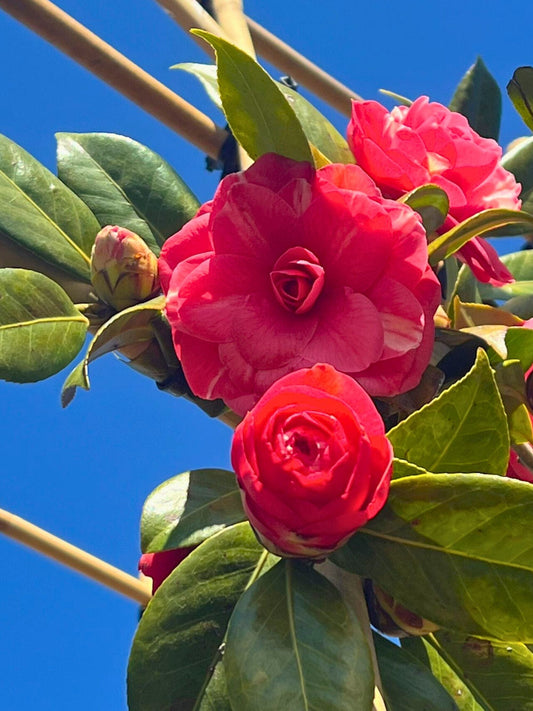
- Avoid Pruning Flower Buds: When pruning, be careful not to remove flower buds, especially if you have chosen a plant for its flowers or berries. Cutting these buds may reduce flowering or fruiting in the next season.
- Avoid Heavy Pruning: Do not remove more than 20% of the tree's canopy at once, as this may stress the tree.
Important Notes for Laurel Safety & Handling
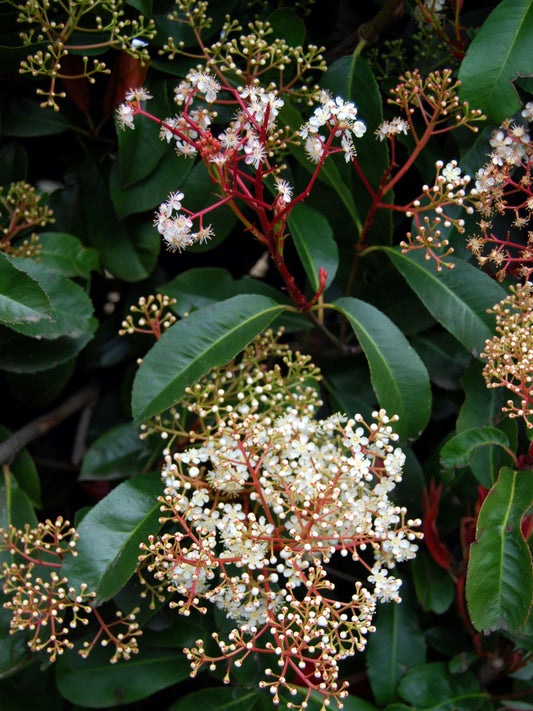
Before pruning laurel varieties such as Novita (Prunus laurocerasus), please note:
- Toxicity: All parts of laurel are toxic if ingested. Keep clippings away from children and animals.
- Handling: Wear gloves and long sleeves when pruning, as sap may cause skin irritation.
- Ventilation: Always prune outdoors in fresh air. Avoid prolonged close exposure to large amounts of freshly cut material.
- Disposal: Do not burn laurel cuttings, as the smoke can be irritating. Dispose of waste in line with local garden waste guidelines.
- Tool Safety: Follow manufacturer guidance when using hedge trimmers or pruning tools.
This guidance is general in nature. Safe handling and disposal remain the responsibility of the individual carrying out the work.
Further Resources
RHS: Pruning









![Ultra-Mature Small-Leaved Lime Pleached Tree [Tilia cordata 'Greenspire'] | Mature Pleached Trees](http://justpleachy.co.uk/cdn/shop/files/ultra-mature-small-leaved-lime-pleached-tree-tilia-cordata-greenspire-mature-pleached-trees-pleached-tree-deciduous-small-leaved-lime-pleachy-trees-248905.jpg?v=1746369655&width=533)