
Help! My Tree's Leaves Are Turning Brown: A Guide to Common Problems
Noticed something off with your tree? Maybe some droopy leaves or unexpected leaf drop? It can be frustrating when plants do not establish well. Common symptoms include yellow or brown leaves. Don’t worry, most of these issues can be improved with a little TLC and do not necessarily mean you will lose the plant. Often, environmental factors like watering, drainage, and wind are the culprits. Let’s walk you through some common problems and how you can help your tree thrive.
Common Problems and How to Address Them
Brown, Yellow, Curling, Droopy, or Wilting Leaves Shortly After Planting
Causes: Stress from adjusting to a new environment. This is known as transplant shock and can cause newly planted trees to look a little sorry as they settle in.
Solution: Keep the soil moist but well-draining, maintain good watering, especially in the critical first two years, and avoid disturbing the roots.
Worth Knowing: It is normal for newly planted trees to look a little stressed shortly after planting, especially after being moved, transported and replanted. This usually settles with consistent watering and time to adjust.
No Need for Concern: A little drooping after planting is completely normal. With steady care and balanced watering, your tree should perk up within a few weeks.
Further reading:
RHS guide to establishing trees and shrubs
Droopy or Wilting Leaves
Causes: Watering issues, including both underwatering and overwatering.
Solution: If the leaves are droopy and crispy, it may be a sign of underwatering. Dry soil can cause leaves to wilt or turn brittle, so water thoroughly and regularly, especially during warm, dry spells. Newly planted trees often need more water than expected, particularly in dry conditions. If the leaves are droopy and yellow or feel spongey, overwatering could be the issue. Saturated soil can suffocate roots, so monitor moisture levels and adjust watering as needed. Keep the soil moist but well-draining.
Worth Knowing: The soil surface can appear damp while the rootball underneath is dry. If you are unsure, gently check moisture levels around the roots with a trowel before adjusting your watering routine.
No Need for Concern: With steady care and balanced watering, your tree should perk up within a few weeks.
Further reading:
RHS guide to establishing trees and shrubs
Looking Dehydrated Despite Regular Watering
Causes: Water may not be reaching the rootball, even when the soil surface appears moist. Nearby lawns, weeds, hedges and established trees can also compete for moisture before it reaches the roots.
Solution: Check moisture levels below the surface using a trowel. Water deeply so moisture reaches the root zone and keep the area around the base of the tree free from weeds. Newly planted trees often need more water than expected during their first few years while establishing. Keep the soil moist but well-draining.
Worth Knowing: Nearby walls, fences, hedges and other trees can create a rain shadow and affect how much water reaches the root zone. Watering requirements can vary significantly depending on your garden and planting position.
No Need for Concern: Once settled, the tree’s root system will become much more resilient and better able to cope with surrounding competition.
Further reading:
RHS guide to establishing trees and shrubs
Brown Leaves
Causes: Drought, wind damage, waterlogging, or establishment stress.
Solution: Ensure consistent watering, protect from strong winds where possible, and check soil drainage. Water deeply rather than relying on light surface watering. Keep the soil moist but well-draining.
Worth Knowing: Brown leaves can appear gradually or quite suddenly when a tree is struggling to establish, especially during warm, dry, windy weather.
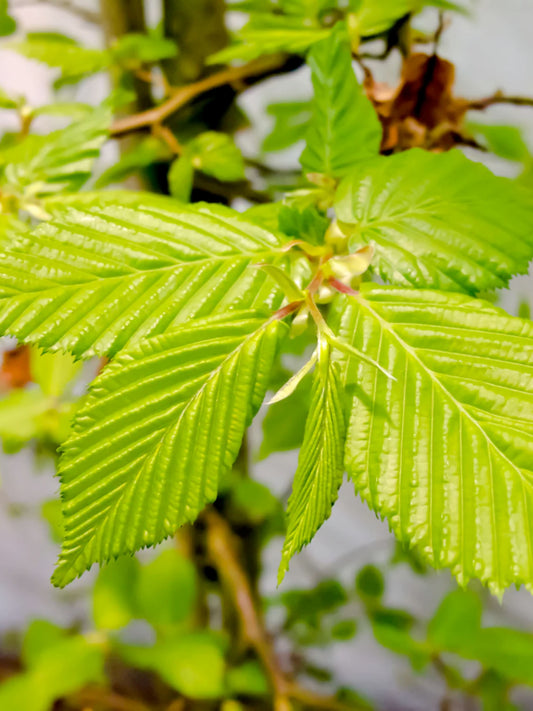
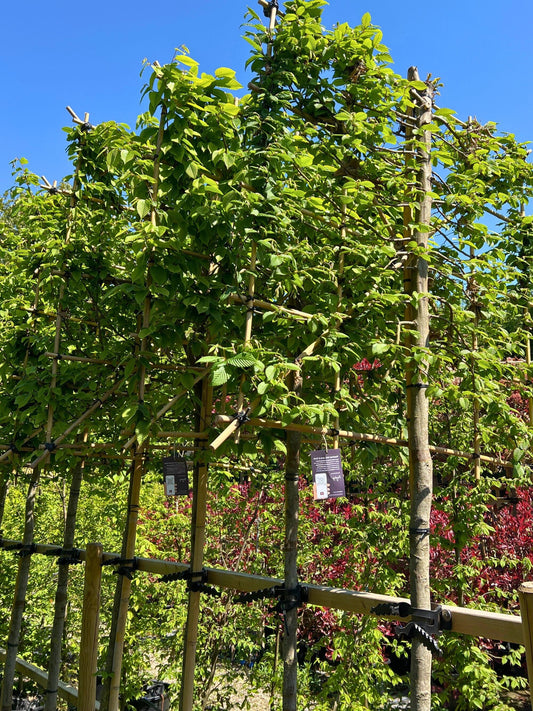
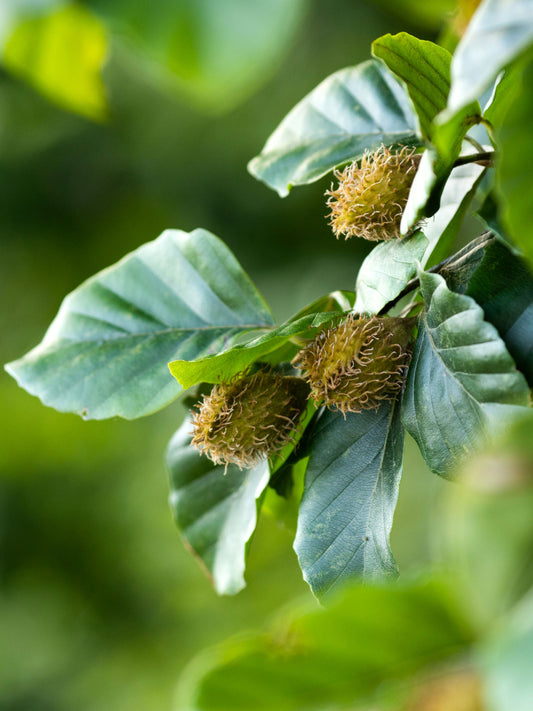
No Need for Concern: Brown leaves on deciduous trees are part of the natural process of change in autumn, as seen in species like Hornbeam or Beech.
Further reading:
RHS guide to brown leaves on woody plants
Yellow Leaves
Causes: Nutrient deficiency, overwatering, insufficient water, compacted soil, or normal seasonal leaf renewal.
Solution: Replace any overtight ties and apply a balanced fertiliser once in spring and once in autumn. Adjust watering practices as needed and check that the soil is moist but free-draining around the root zone.
Worth Knowing: A lack of nutrients is not always the main cause of establishment problems. Watering, soil conditions and root health are often more important in the first few years after planting.
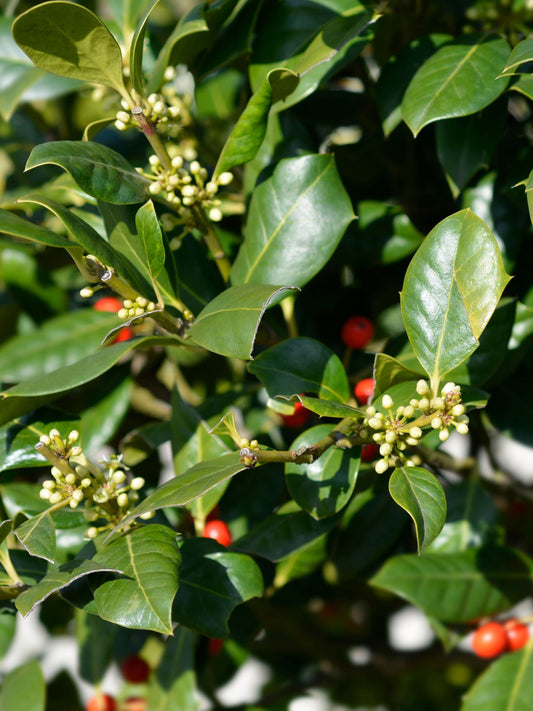
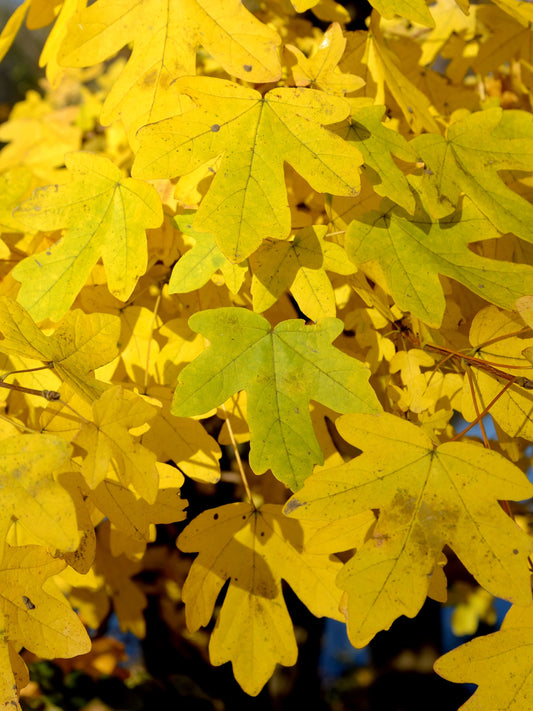
No Need for Concern: Occasional yellowing on evergreen trees is often part of their natural leaf renewal. For evergreen species like Holly [Ilex 'Nellie R. Stevens'], this usually takes place around April. Deciduous trees such as Field Maple may also turn yellow in autumn as part of their natural cycle.
Further reading:
RHS guide to chlorosis, or yellowing of leaves
Leaves Falling Off an Evergreen Tree
Causes: Natural leaf renewal, seasonal stress, winter weather, drought, establishment stress, or changes in growing conditions.
Solution: Continue with steady watering and monitor for fresh new growth. Ensure the soil remains moist but free-draining and avoid making sudden changes to your watering routine.
Worth Knowing: Evergreen does not mean a tree keeps every leaf forever. Evergreen species naturally shed older foliage throughout the year as new leaves replace old ones. This is particularly noticeable during spring and early summer when many evergreens are producing fresh growth.
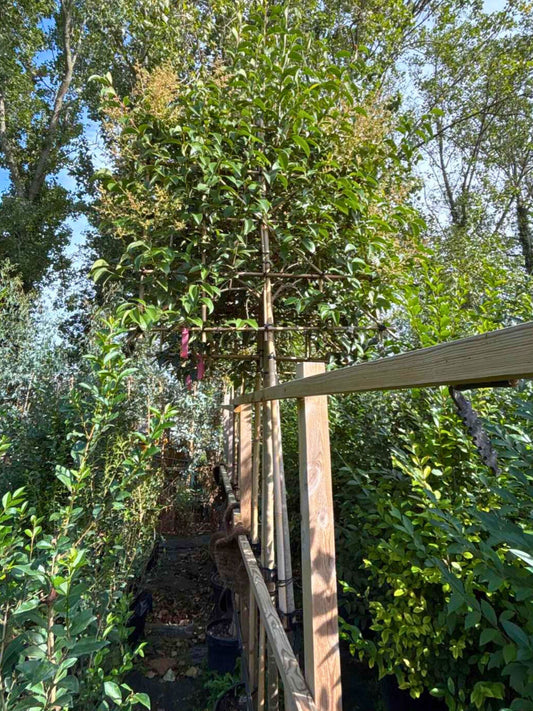
No Need for Concern: As long as the tree is producing new buds, fresh shoots, or healthy green growth elsewhere on the plant, some leaf drop is usually perfectly normal and not a sign that the tree is dying. Evergreen species such as Red Robin, Portuguese Laurel, Silverberry Oleaster and Japanese Privet will all naturally shed older leaves as part of their normal growth cycle.
Further reading:
RHS guide to establishing trees and shrubs
Water Pooling Around Tree Base
Causes: Extreme weather, poor drainage, heavy clay soil, compacted soil, deep planting, or excessive watering can lead to waterlogging, where water pools around the roots rather than draining away.
Solution: Improve drainage where possible and avoid overwatering, particularly in clay soils where water can pool. Ensuring the soil remains moist but free-draining will help support healthy root development.
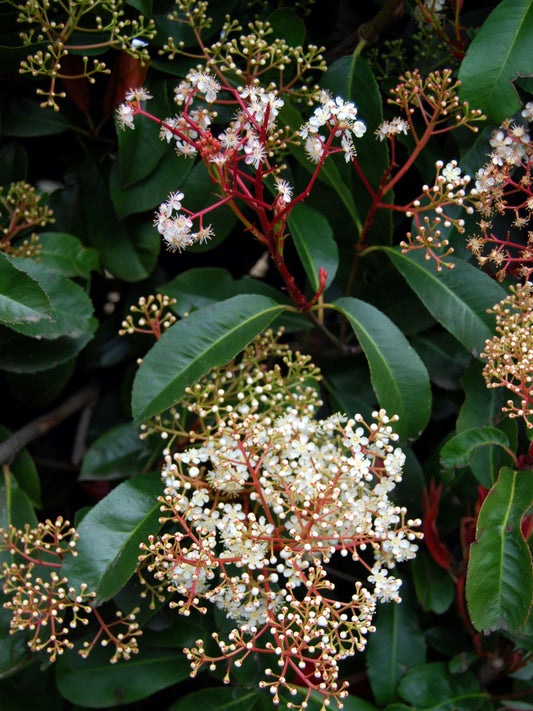
Worth Knowing: Roots need oxygen as well as water. Prolonged waterlogging can deprive roots of oxygen and affect establishment, even when the tree appears to be receiving plenty of moisture. Some species are much less tolerant of "wet feet" than others. In particular, Red Robin (Photinia × fraseri) generally requires more free-draining soil and is particularly susceptible to prolonged periods of waterlogging or heavy, saturated clay soils. Make adjustments accordingly.
No Need for Concern: During wet weather, excess moisture and occasional puddling can occur. Provided the water is able to drain away, trees will often recover naturally and continue to establish. However, no tree species can tolerate prolonged periods of waterlogging indefinitely.
Further reading:
RHS guide to waterlogging and flooding
RHS guide to clay soils
Dull, Sparse, or Tired Leaves
Causes: Seasonal winterising due to lower light levels and cooler temperatures. Some species, in particular the semi-evergreen Japanese Privet, can be prone to this. In colder UK winters, Privet species can naturally experience some foliage thinning or leaf drop following prolonged cold, wet, or low-light conditions. During late winter and early spring, the foliage may appear thinner, duller, or slightly bronzed as growth temporarily slows down.
Solution: This is often part of the plant’s normal seasonal response rather than a sign of failure. As temperatures rise and sunlight levels increase, fresh new growth will usually begin to emerge through late spring and early summer. Continue with steady watering, avoid waterlogged soil, and allow the tree time to respond naturally to warmer weather.
Worth Knowing: Trees and shrubs can look tired while they are still establishing, even if they are alive and preparing to push fresh growth.
No Need for Concern: It is very common for these species to look winterised just before fresh spring growth begins. In many cases, the trees will fill back out significantly once consistent warmer weather arrives.
Further reading:
RHS guide to establishing trees and shrubs
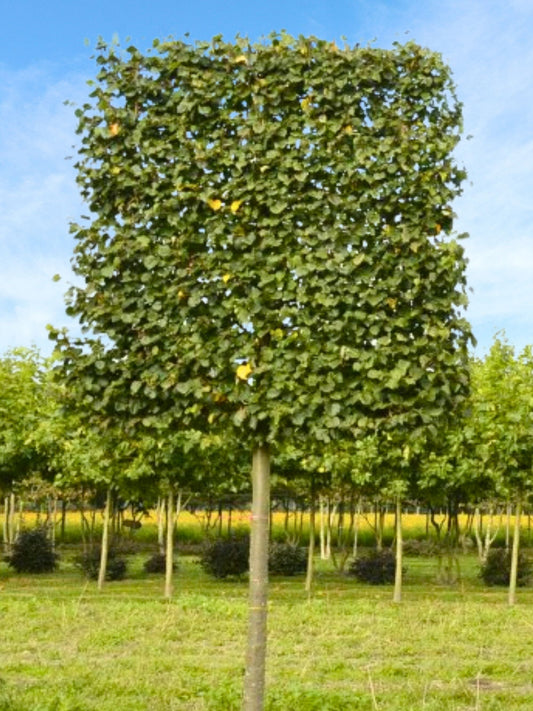
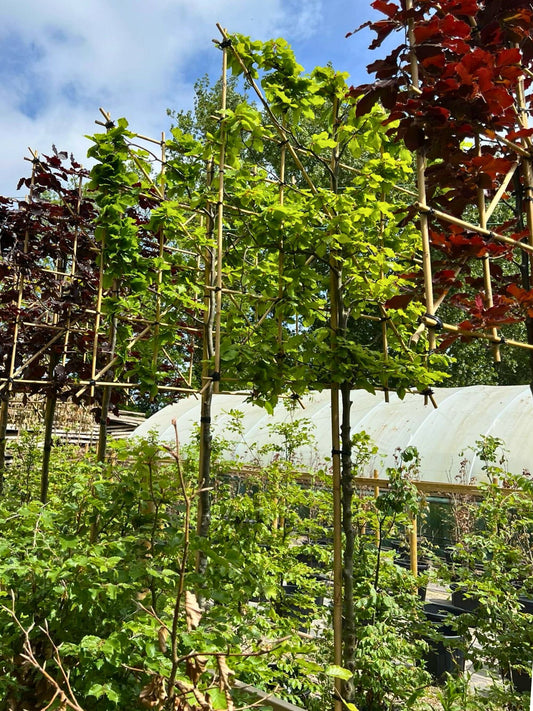
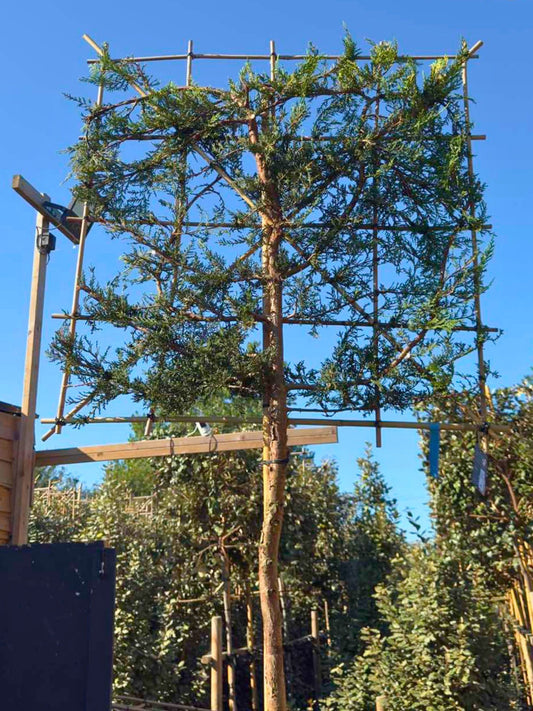
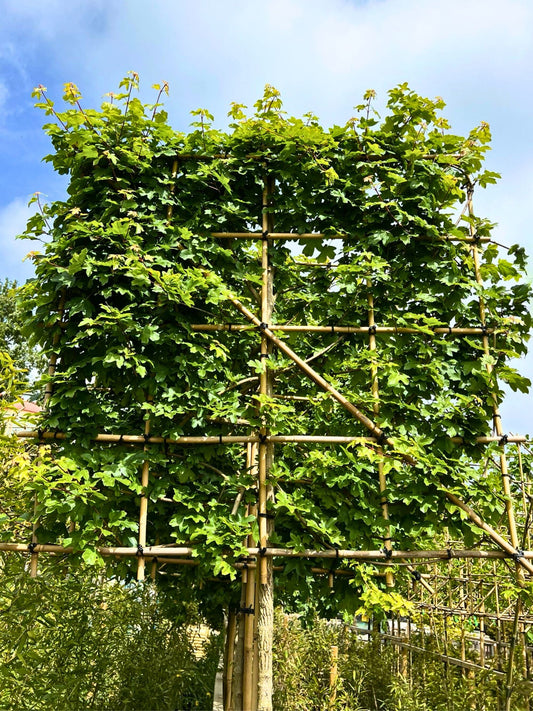
Sparse Growth in the Centre of the Frame
Causes: Natural differences in establishment, localised soil conditions, shading, competition from neighbouring branches, or insufficient pruning can sometimes result in areas of the frame looking thinner than others.
Solution: Continue with good watering practices and ensure the soil remains moist but free-draining. Light pruning back to the frame can help encourage branching and denser growth. Applying a balanced, controlled-release fertiliser in spring and again in autumn may also help support healthy growth.
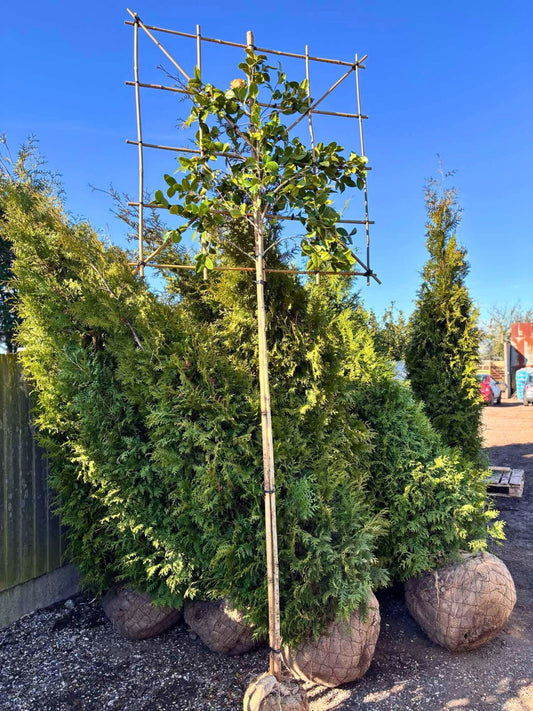
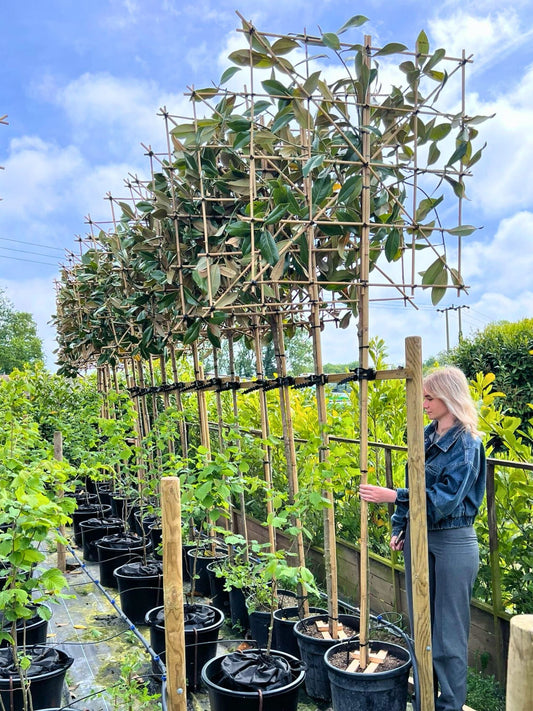
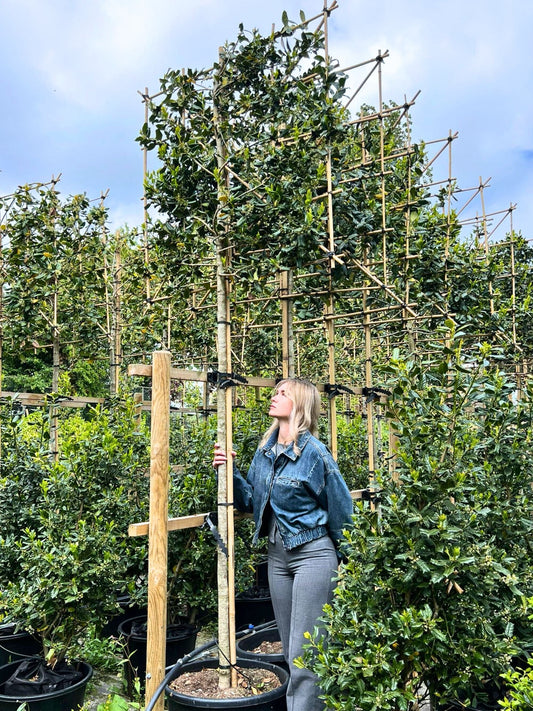
Worth Knowing: Mature pleached trees are large specimens and can take two or even three growing seasons to become fully established. Some areas of the frame may fill out more slowly than others during this period.
No Need for Concern: It is common for some parts of a pleached tree to fill out more slowly than others. As long as the tree is producing fresh growth and healthy foliage, thinner sections will often improve over time.
Further reading:
RHS guide to pruning hedges
RHS guide to establishing trees and shrubs
Leaf Damage or Holes in the Leaves
Causes: Insect damage, weather damage, wind, hail, minor physical damage, or environmental stress.
Solution: Check the undersides of leaves and along stems for signs of pests like caterpillars, beetles, or aphids. If pests are present, remove them by hand or use an insecticide if needed. Avoid using harsh chemicals, especially on young trees. Sometimes holes are caused by wind, hail, or minor physical damage, which is not usually a cause for concern.
Worth Knowing: Small amounts of leaf damage are common on outdoor plants and do not always mean there is an active pest problem.
No Need for Concern: A few holes here and there are common and will not affect the overall health of a well-established tree. Keep an eye out, but there is no need to worry unless the damage becomes widespread.
Further reading:
RHS guide to leaf damage on woody plants
Laurel Leaves With Neat Round Holes
Causes: Shothole, also known as leaf shot.
Solution: Shothole is a harmless and very common issue in Laurels, especially just after planting. It happens when small patches of damaged or stressed leaf tissue fall out, leaving neat, round holes behind. This can be caused by changes in weather, water stress, or mild fungal or bacterial activity. No treatment is usually needed, and you can simply leave any affected leaves.
Worth Knowing: Shothole can look more worrying than it is, especially when the holes are very neat and round.
No Need for Concern: Shothole does not tend to affect the overall health of the tree. Think of it as a bit like acne for Laurels, a little unsightly and something they usually grow out of once settled in and producing fresh new growth.
Further reading:
RHS guide to shothole and laurel leaf diseases
Whip-like Shoots, Water Sprouts, or Suckers
Causes: Vigorous shoots with longer stems and different-looking foliage can sometimes appear on established trees. These may be water sprouts, also known as epicormic shoots, vigorous juvenile growth, or suckers arising from the base of the plant. They can develop following pruning, periods of stress, or changes in growing conditions.
Solution: Water sprouts are vigorous, fast-growing stems that can emerge from older branches or the main framework of a tree. In some cases, their foliage may also appear different from the more mature growth. You can simply prune this growth off or trim it back to the frame using a clean pair of secateurs. If the growth is arising from the base of the tree, it is generally best removed completely.
Worth Knowing: This type of growth is often the tree responding strongly to pruning, stress, or favourable growing conditions.
No Need for Concern: This type of vigorous growth is common, particularly on species such as Silverberry Oleaster (Elaeagnus × ebbingei). While the leaves may look different from the mature foliage, it does not necessarily indicate a problem with the health of the tree.
Further reading:
RHS guide to removing suckers from trees and shrubs
RHS guide to pruning hedges
Powdery White Coating on the Leaves
Causes: Powdery mildew, a fungal infection that often develops in warmer, humid conditions with poor air circulation or overwatering.
Solution: Improve airflow, increase light and sun exposure, and avoid overwatering. If the problem persists or is very widespread, apply a fungicidal spray specific to powdery mildew.
Worth Knowing: Powdery mildew is often more noticeable in late summer and autumn and can be encouraged by still, humid conditions.
No Need for Concern: Small patches of powdery mildew are typically cosmetic, generally only affecting the tree’s appearance and not its long-term health.
Further reading:
RHS guide to powdery mildew
Roots Are Lifting From the Ground
Causes: Wind rock caused by strong winds, inadequate staking, loose ties, or recently planted trees that have not yet fully rooted.
Solution: Staking helps avoid this issue. Avoid overly tight tree ties when securing stems to stakes, prevent rubbing, and remember to progressively slacken the ties as the stems grow.
Worth Knowing: Wind rock can damage newly developing roots and create a small socket around the stem where water collects, increasing the risk of rot.
No Need for Concern: If caught early and the tree is properly secured, the roots can often continue to establish well.
Further reading:
RHS guide to establishing trees and shrubs
Stem or Branch Damage From Tight Ties
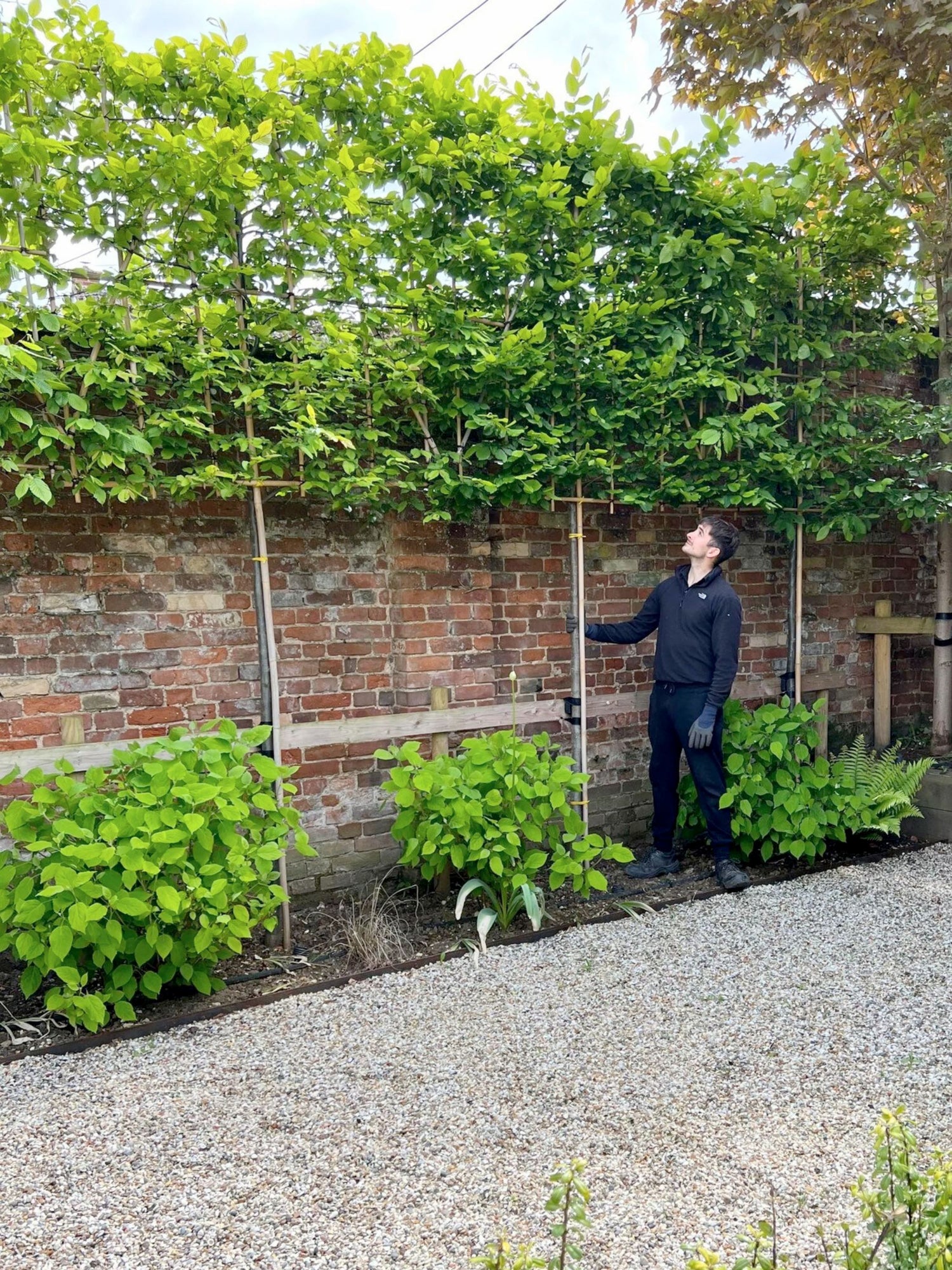
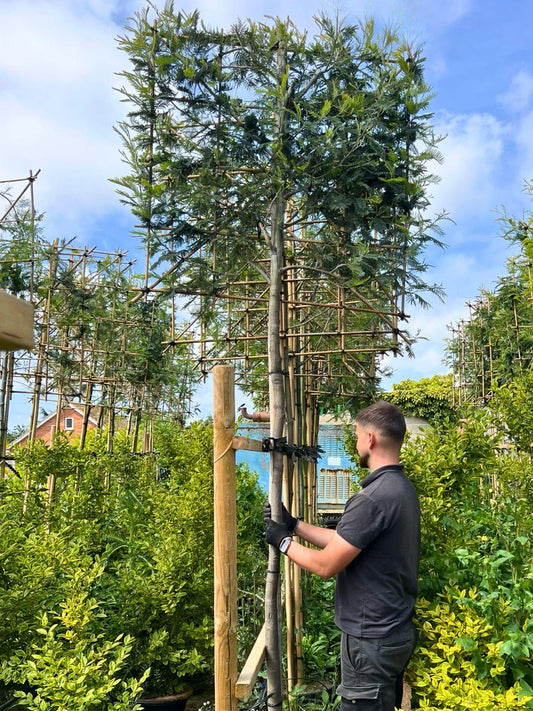
Causes: Trees are attached to the pleached frame using small black zip ties for training purposes. If left on too long without monitoring, they could cause rubbing and damage.
Solution: As your tree matures, ensure that any overly tight training ties are removed or replaced as necessary to prevent them from cutting into the trunk or branches. During the first season or two, regularly tie in the branches to help them settle into the shape of the guide frame.
Worth Knowing: Tree ties should support the tree without restricting natural growth. As stems thicken, ties should be checked and loosened where needed.
No Need for Concern: Minor rubbing or marks are often cosmetic if spotted early and corrected.
Further reading:
RHS guide to establishing trees and shrubs
Minor Splits, Cracks, or Blemishes on the Stems or Branches
Causes: Natural growth, environmental factors such as wind, fluctuations in temperature, humidity changes, or occasional handling damage during transport or planting.
Solution: Most trees will self-heal with proper care, including adequate watering, fertilisation, and protection from extreme conditions. Monitor affected areas for signs of infection, such as fungal growth or pests.
Worth Knowing: Minor marks and blemishes are common on living trees, especially mature specimens that have been grown, handled, transported and planted outdoors.
No Need for Concern: Minor splits are usually cosmetic and unlikely to affect the tree’s long-term health. During the dormant season from October to April, the tree will slow its growth and use this time to strengthen and repair naturally.
Further reading:
RHS guide to establishing trees and shrubs
Tree Not Flowering
Causes: Pruning at the wrong time, poor light conditions, or stress.
Solution: Avoid cutting flower buds during pruning and ensure the plant gets enough light and nutrients. When pruning, be cautious not to remove flower buds, especially if you have chosen a plant for its attractive flowers or berries.
Worth Knowing: Newly planted trees may put energy into root establishment before flowering.
No Need for Concern: Flowering can improve once the tree is settled and growing strongly.
Further reading:
RHS guide to non-flowering woody plants
Positive Signs of Life
When assessing your tree, look out for signs that it is healthy and settling in well. New buds, fresh leaves, and flexible stems and healthy green growth beneath the bark are all great indicators that your tree is getting established. Even if some older leaves are dropping, as long as you are seeing new growth or the tips of the branches remain green and supple, your tree is very likely on the right track.
You’ve Got This!
Pleached trees are living plants that require care to thrive. While we work with experienced growers to give them the best start, the ongoing responsibility for their health lies with you, the customer. Proper aftercare is essential, especially during the first few years after planting. Larger specimen trees, including mature pleached trees, can take two or even three growing seasons to become fully established and may need more attention than smaller plants during that time.
By following this guide and taking proactive steps, you can help your trees establish well and remain healthy.
You’ll also find relevant RHS guides linked throughout this article under each common issue.









![Ultra-Mature Small-Leaved Lime Pleached Tree [Tilia cordata 'Greenspire'] | Mature Pleached Trees](http://justpleachy.co.uk/cdn/shop/files/ultra-mature-small-leaved-lime-pleached-tree-tilia-cordata-greenspire-mature-pleached-trees-pleached-tree-deciduous-small-leaved-lime-pleachy-trees-248905.jpg?v=1746369655&width=533)