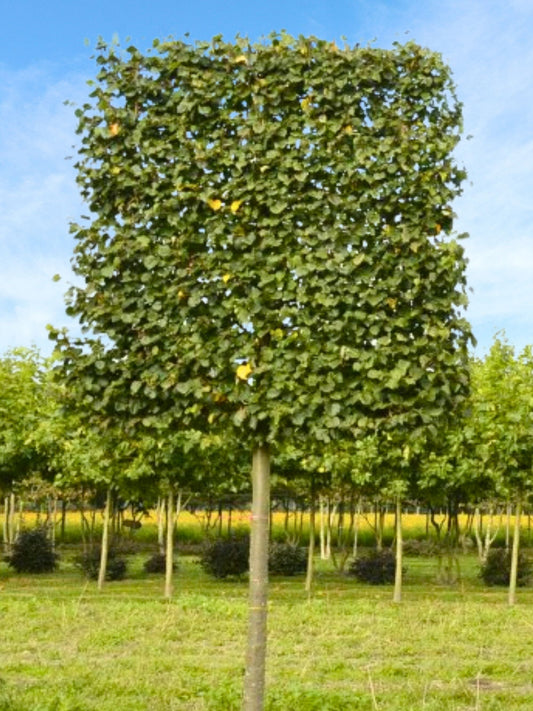

Pleached Trees Month by Month: What Looks Best When?
One of the loveliest things about pleached trees is that they never stand completely still. Some burst into blossom for a few fleeting weeks. Others quietly hold the garden together through winter. Some are all about lush summer foliage, while others save their best performance for autumn.
And honestly, that’s part of the magic. The best gardens rarely look identical all year round. They evolve with the seasons, soften over time, and constantly shift in mood and colour. Pleached trees are no different. So if you’re wondering what tends to look best when, here’s a simple month-by-month guide to our most popular species.
January
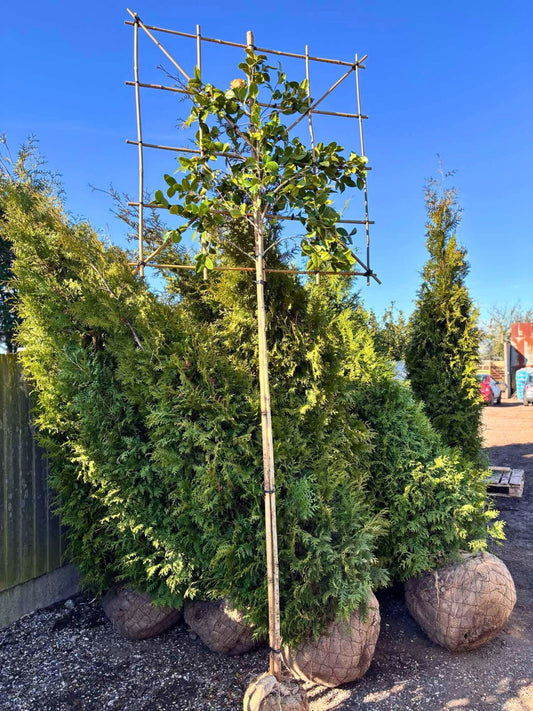
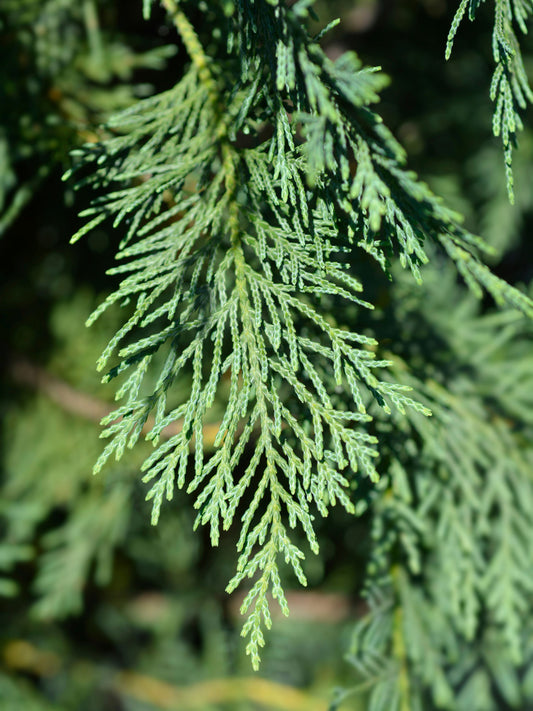
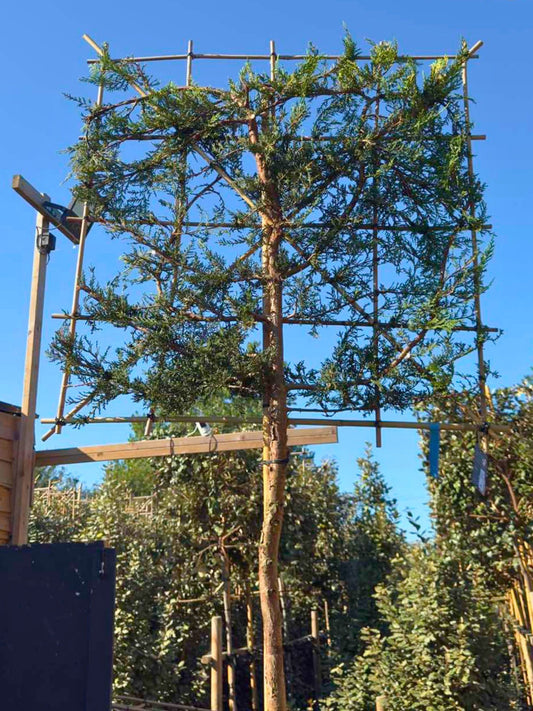
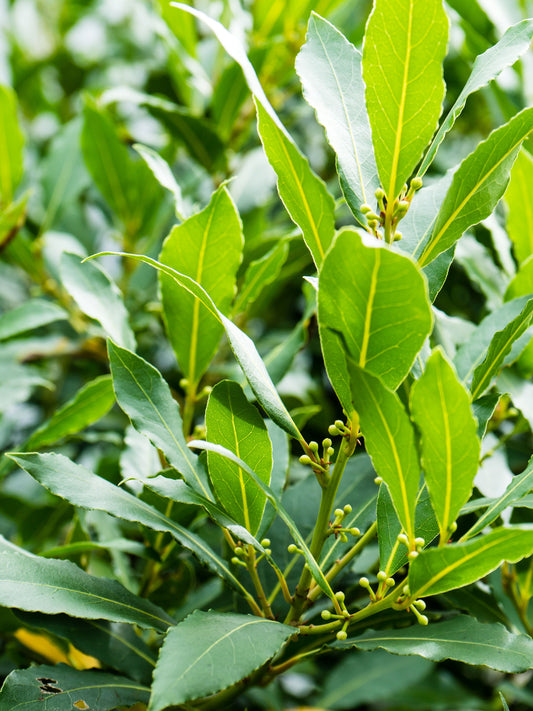
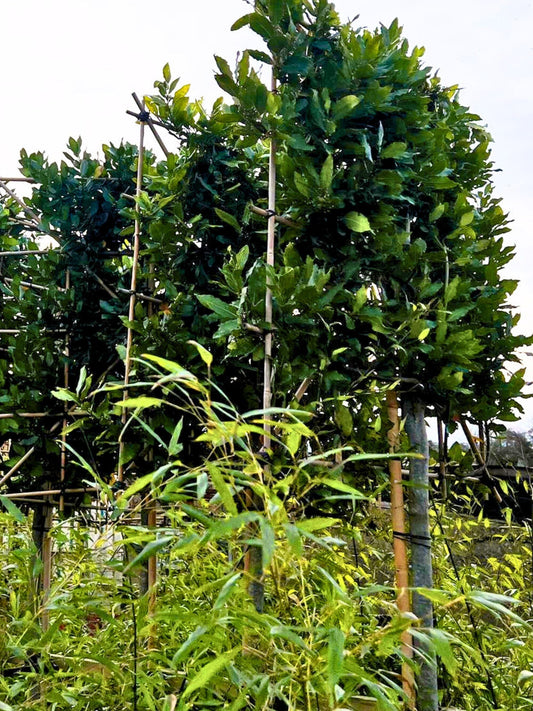
January is when evergreen structure becomes invaluable. Deciduous trees sit quietly dormant with bare branches, while dependable screening species suddenly become the stars of the garden. Bay pleached trees and Leyland Cypress pleached trees provide strong year-round privacy and reassuring greenery during the bleakest part of winter.
February
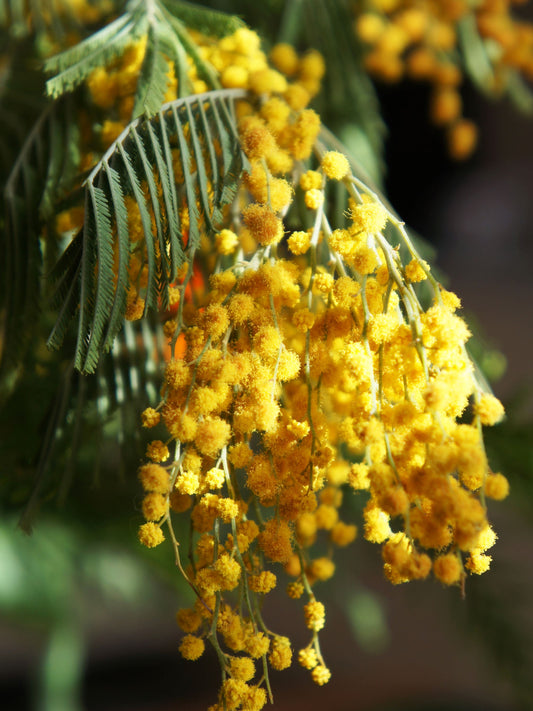
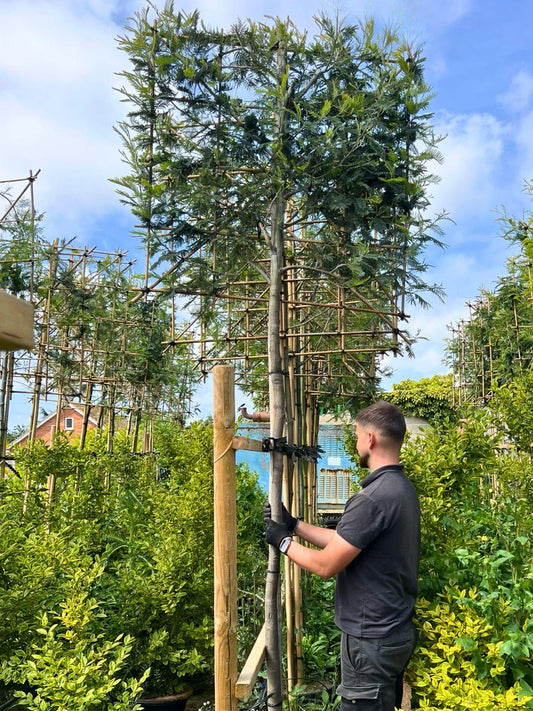
February often feels like the first whisper of spring. Mimosa pleached trees begin flowering with fluffy yellow blooms that seem almost designed to lift the mood on grey days. Meanwhile, not long after Valentine’s, Red Robin pleached trees begin producing their vibrant new red shoots.
March
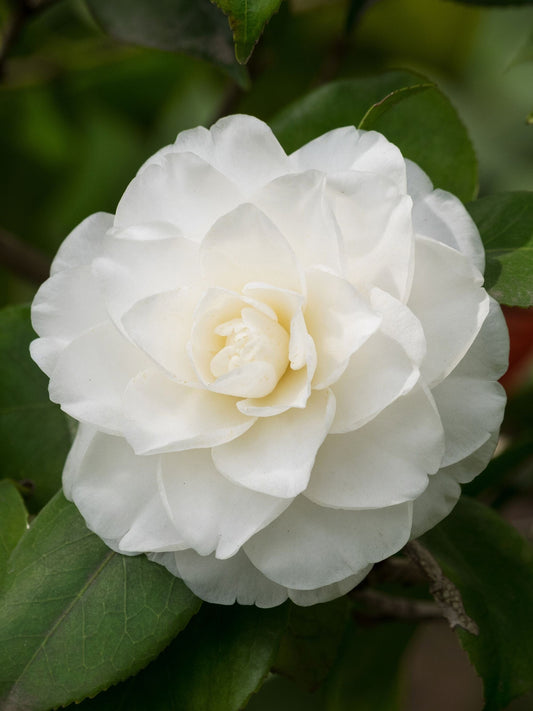
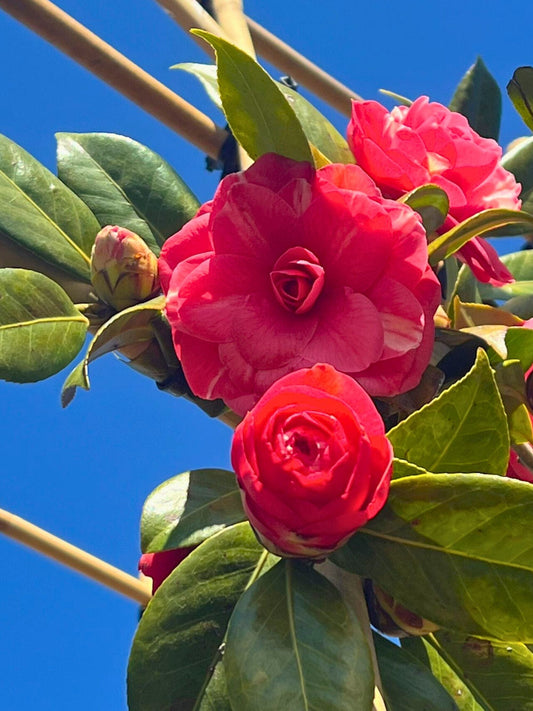
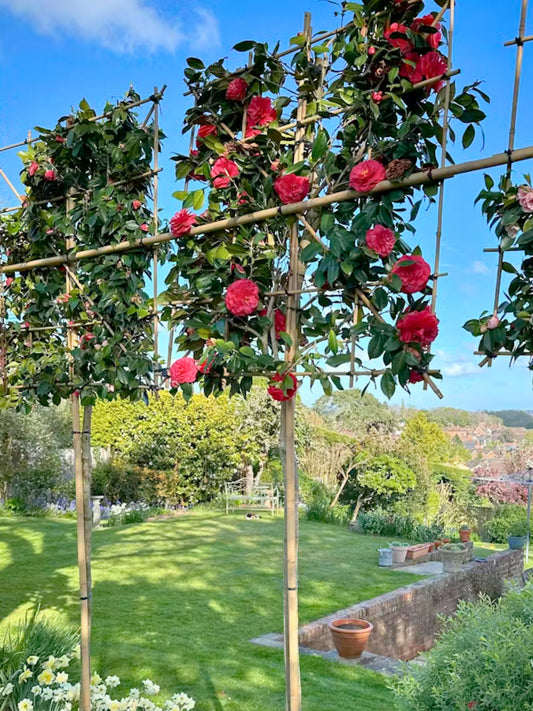
Spring properly arrives in March. White Camellia pleached trees and Pink Camellia pleached trees often hit peak flowering season.
April
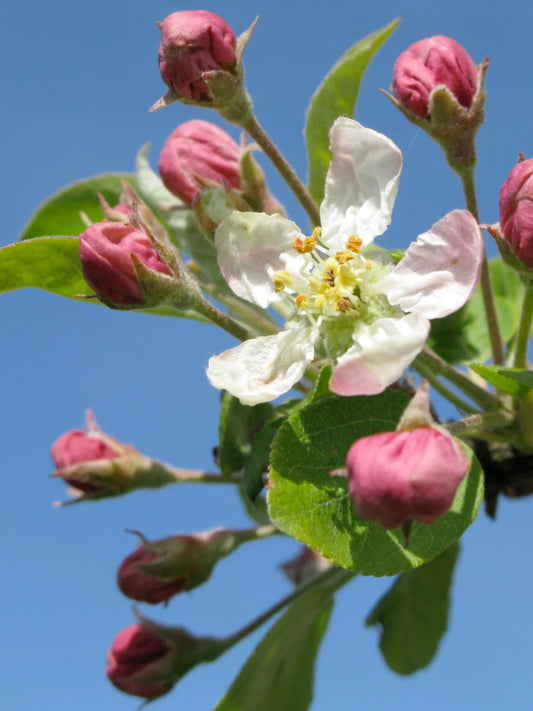
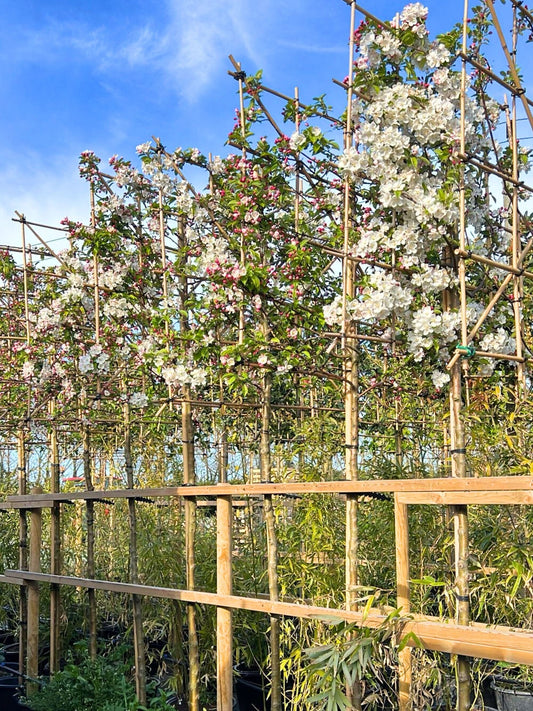
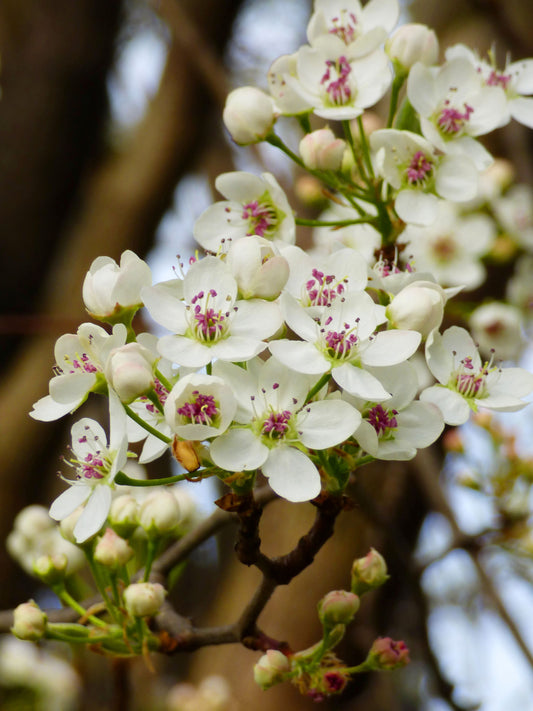
April is blossom season at its absolute best. Crab Apple pleached trees and Callery Pear pleached trees become covered in flowers, creating the kind of soft spring display that completely changes the mood of a garden almost overnight.
May
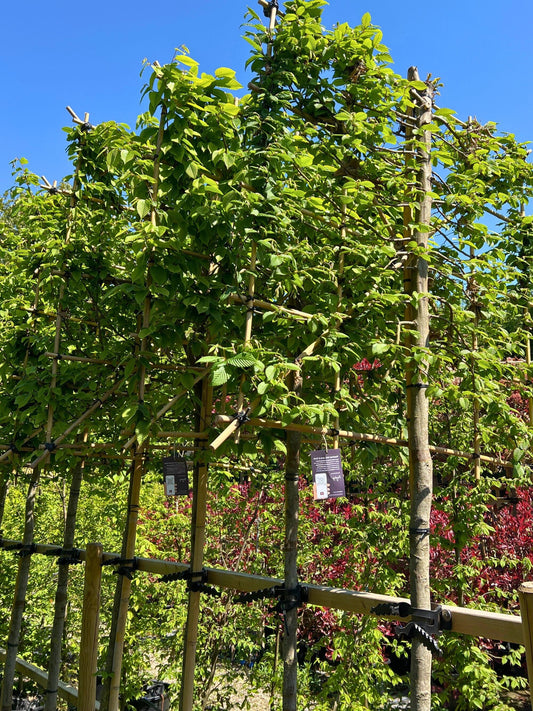
By May, the deciduous species begin looking wonderfully full and fresh again. Cherry Plum pleached trees combine soft blossom with rich purple foliage, while Hornbeam pleached trees leaf out beautifully after winter dormancy.
June
June is when gardens start feeling established again. Japanese Privet pleached trees produce lush glossy new foliage, while Small-Leaved Lime pleached trees look fresh, vibrant, and full of life.
July
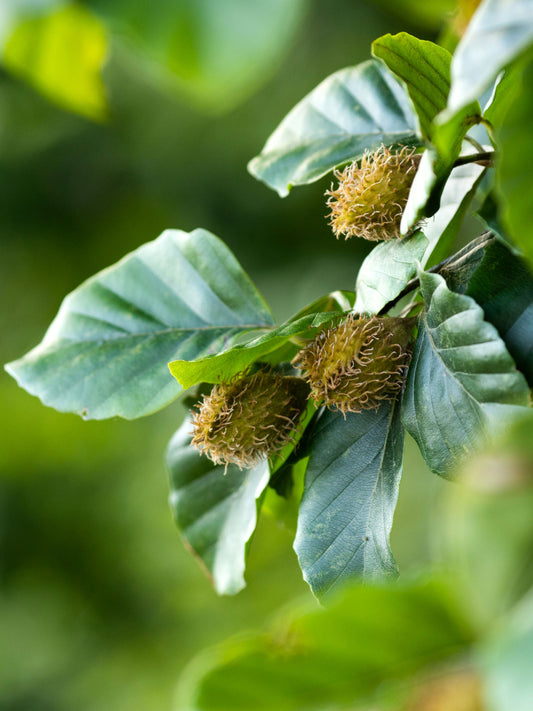
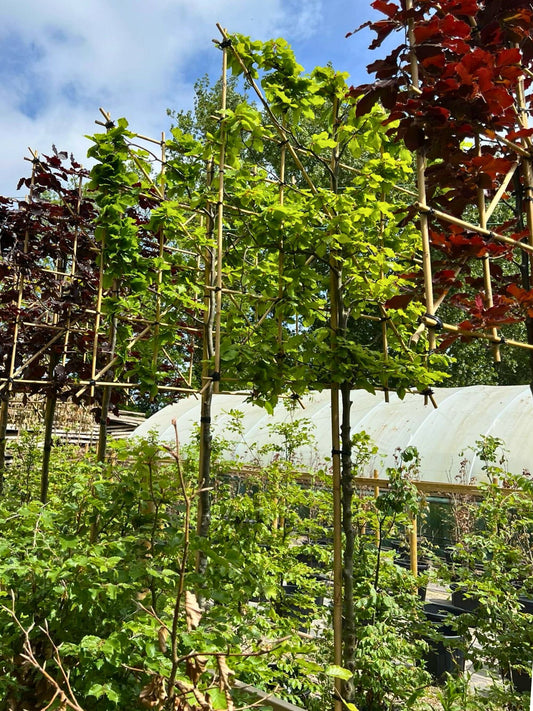
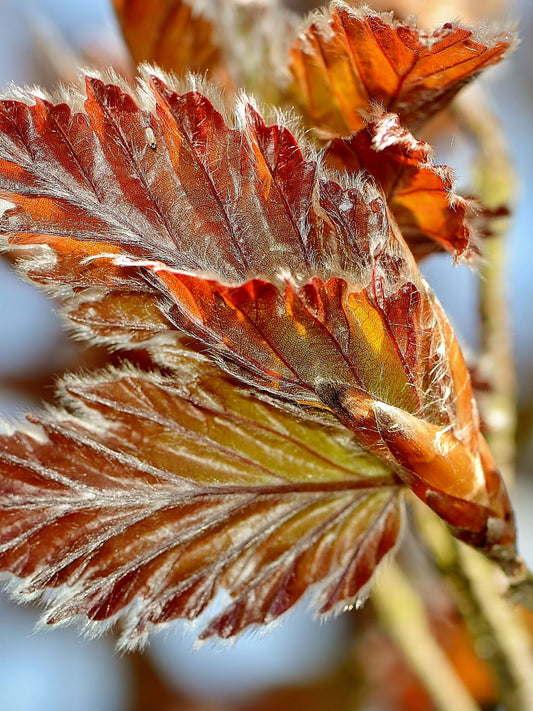
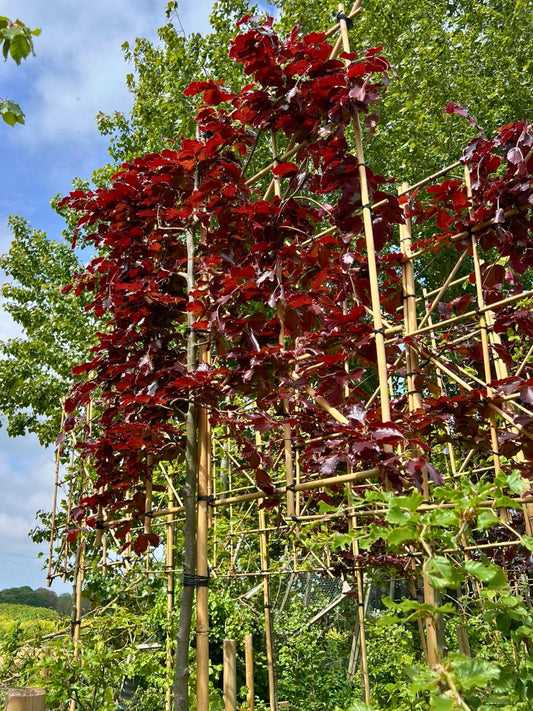
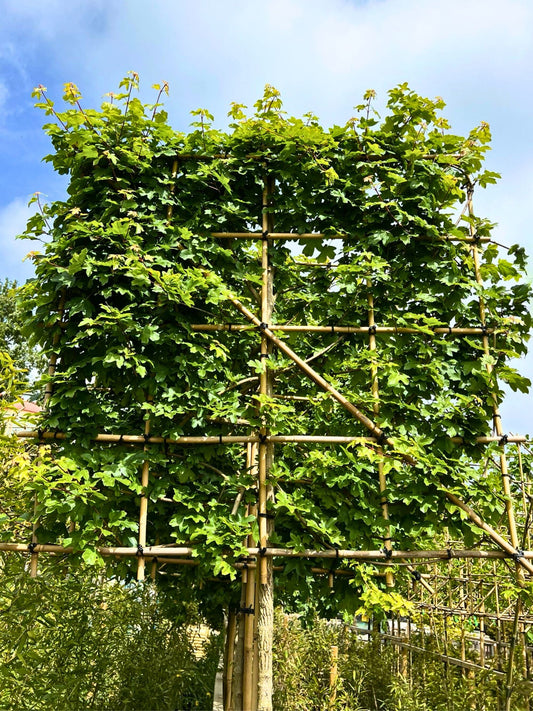
July is peak foliage season. Green Beech pleached trees and Copper Beech pleached trees both look particularly elegant in midsummer, creating soft movement and structure while borders spill and soften around them.
August
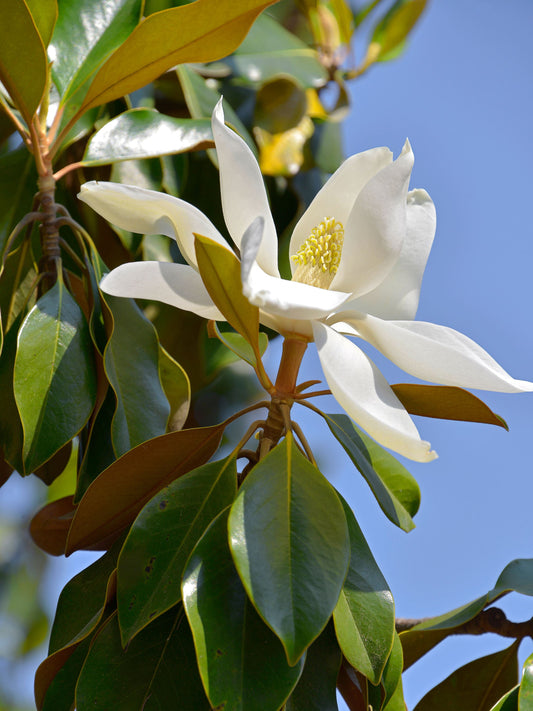
Late summer gardens often take on a luxurious Mediterranean feel. Magnolia pleached trees can still be flowering into August, while London Plane pleached trees provide bold oversized foliage and strong architectural presence.
September
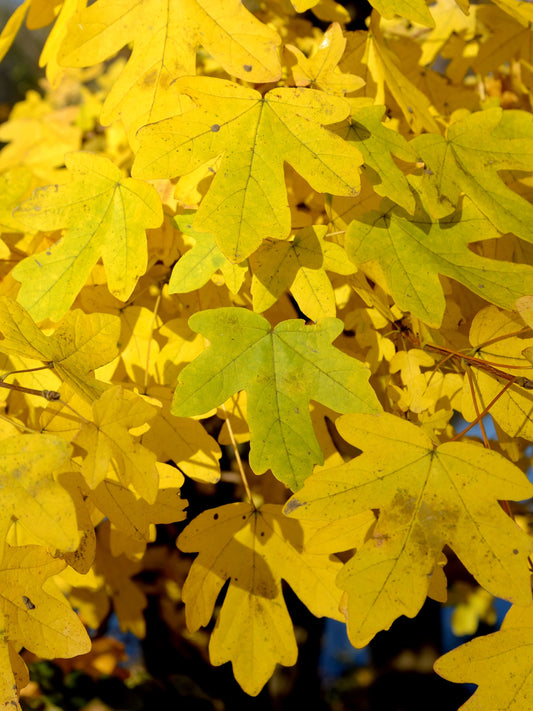
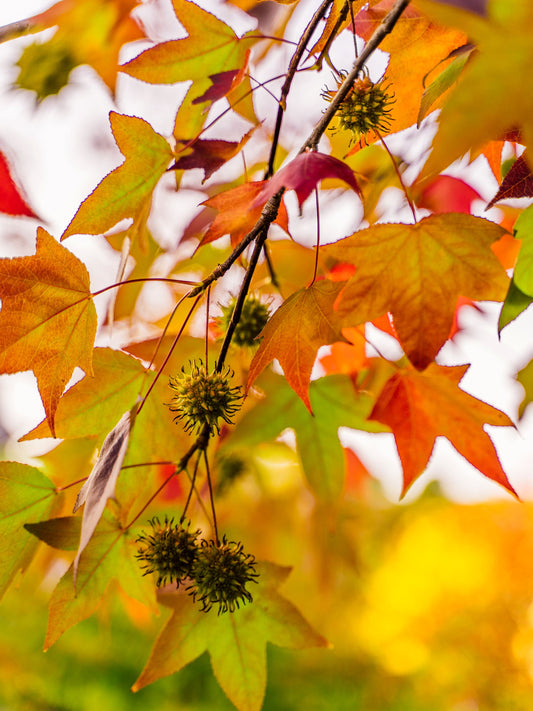
Then autumn quietly begins to creep in. Sweetgum pleached trees begin developing fiery autumn tones, while Field Maple pleached trees soften into warm golden colours that feel unmistakably September.
October
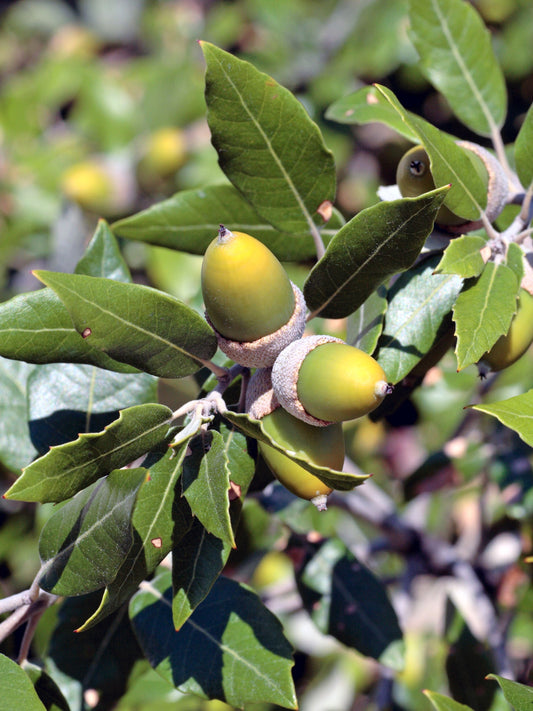
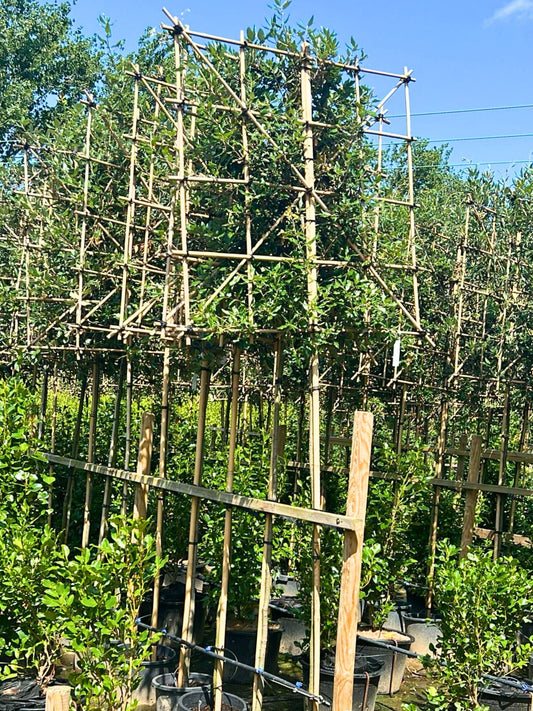
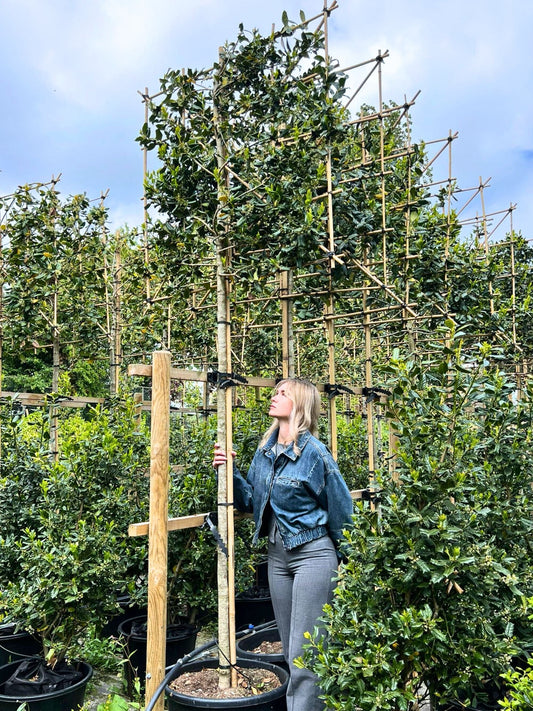
October is peak autumn garden season. Pink Marble pleached trees often look particularly elegant as temperatures cool, while Holm Oak pleached trees begin standing out again as evergreen structure returns to the garden.
November
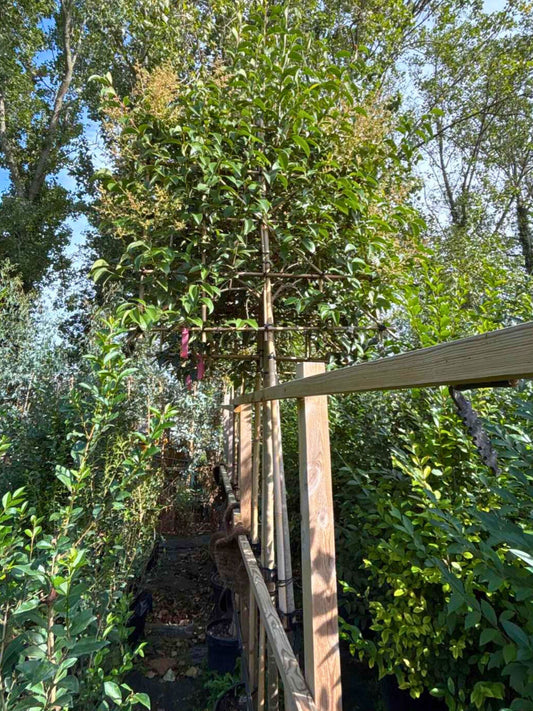
By November, deciduous trees begin settling into winter dormancy, and the evergreen screening species quietly reclaim centre stage. Novita Laurel pleached trees and Portuguese Laurel pleached trees suddenly feel especially valuable again for year-round privacy and structure.
December
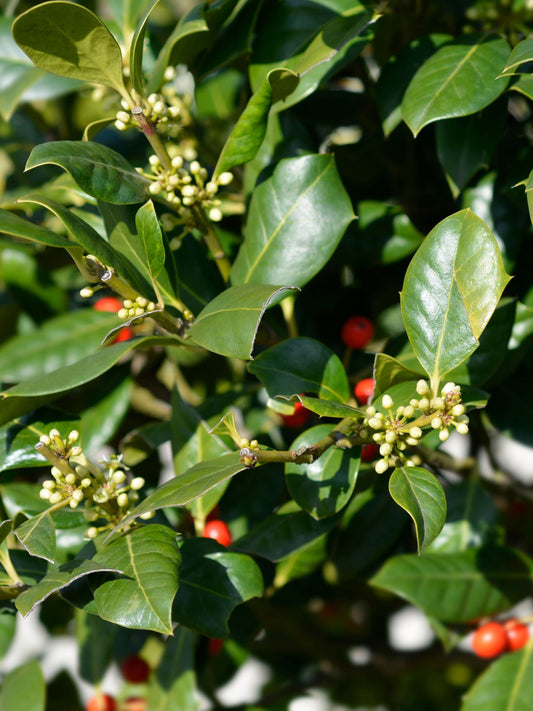
December belongs to the evergreens. Holly pleached trees bring festive red berries and winter interest in time for Christmas, while Silverberry Oleaster pleached trees shimmer beautifully in low winter light.
Every Season Has Its Stars
Perhaps that’s the real beauty of pleached trees. There’s always something changing. One month it’s blossom. The next it’s fresh foliage. Then autumn colour arrives, before the evergreens quietly take over again for winter. Gardens are supposed to evolve through the seasons. And the best pleached tree schemes embrace exactly that.
If you’re still deciding which species might suit your garden best, our Tree Finder Quiz is a brilliant place to start.









![Ultra-Mature Small-Leaved Lime Pleached Tree [Tilia cordata 'Greenspire'] | Mature Pleached Trees](http://justpleachy.co.uk/cdn/shop/files/ultra-mature-small-leaved-lime-pleached-tree-tilia-cordata-greenspire-mature-pleached-trees-pleached-tree-deciduous-small-leaved-lime-pleachy-trees-248905.jpg?v=1746369655&width=533)