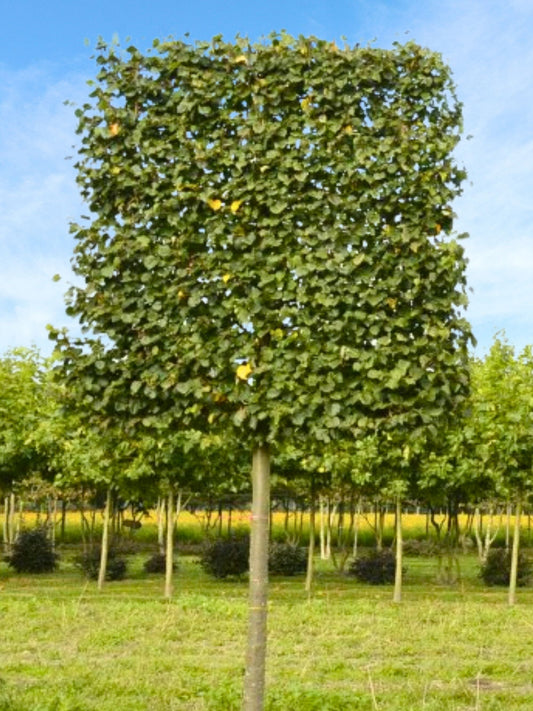

Seasonal Interest: What to Expect From Pleached Trees Throughout the Year
One of the questions we get asked most often is why pleached trees can look different throughout the year. The answer is simple. They’re living plants, and just like the rest of the garden, they naturally change with the seasons.
Some species burst into colour in spring, others shine in autumn, and some quietly hold the fort all winter long with dependable evergreen screening. Understanding these seasonal changes helps you choose the right pleached trees for your garden and sets realistic expectations throughout the year.
Spring
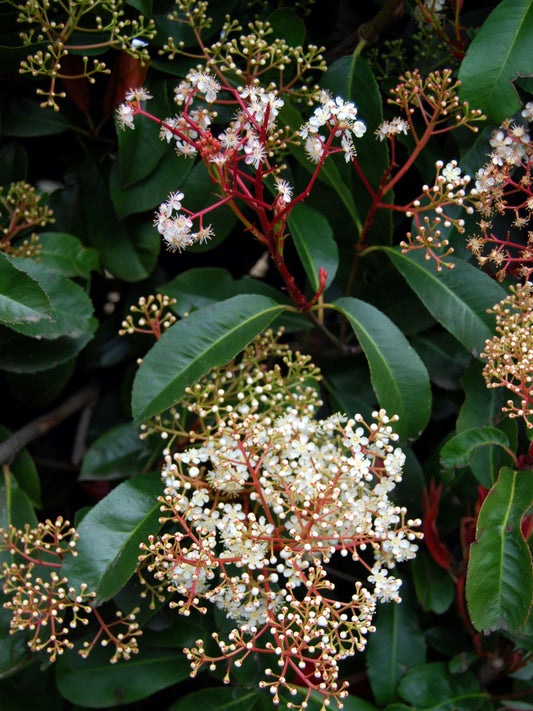
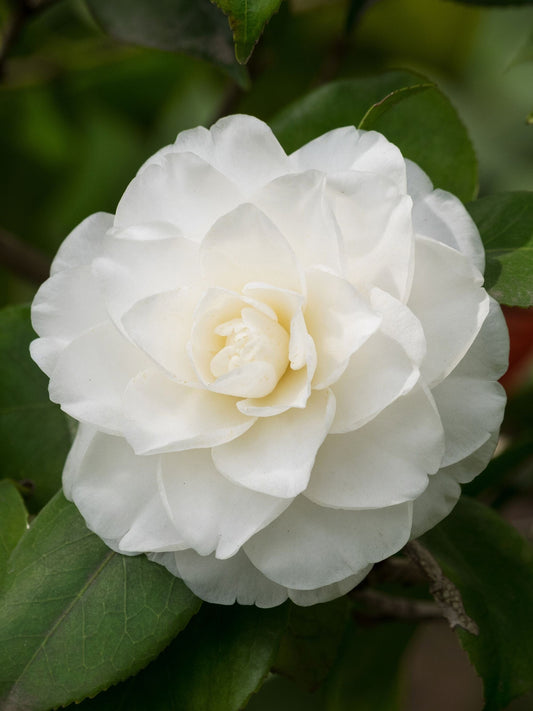
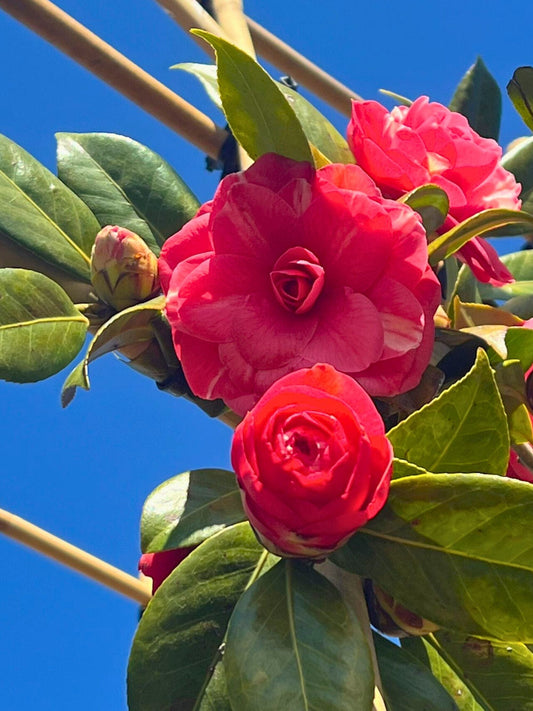
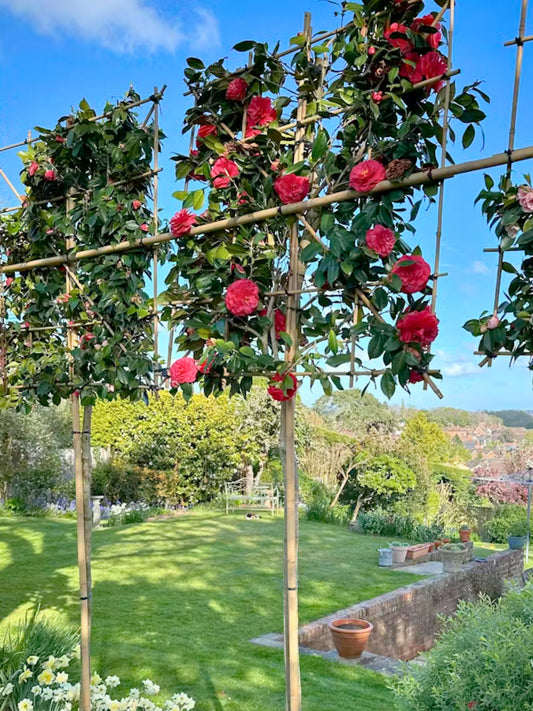
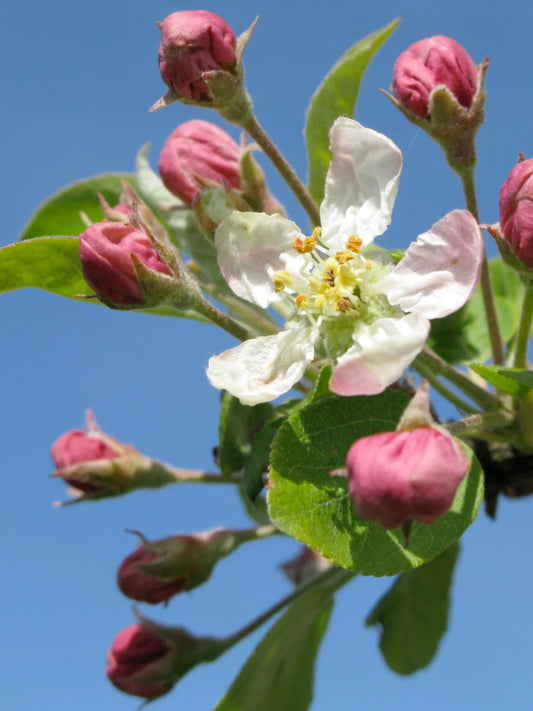
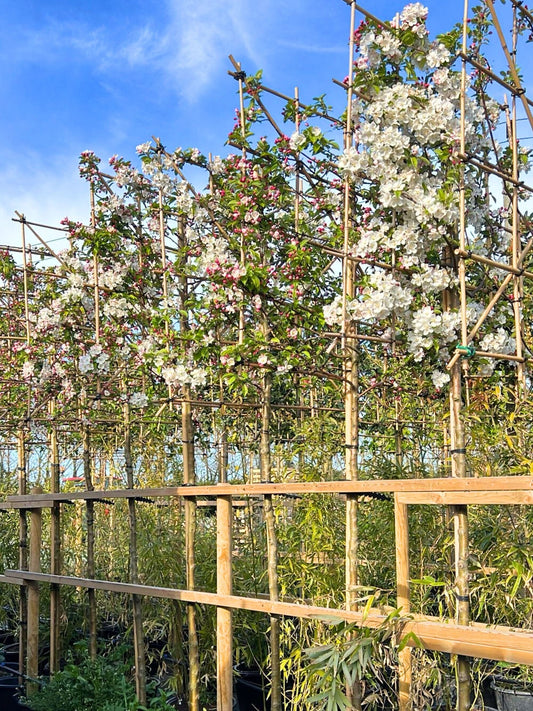
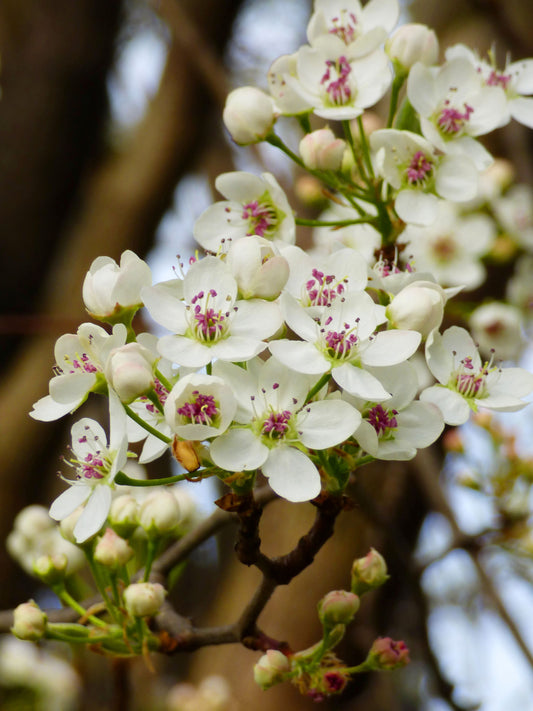
Spring is often the most dramatic season. Species such as Pink Marble pleached trees and Red Robin pleached trees produce colourful fresh shoots, while flowering varieties like Crab Apple pleached trees, Callery Pear pleached trees, Cherry Plum pleached trees, White Camellia pleached trees, and Pink Camellia pleached trees become covered in blossom.
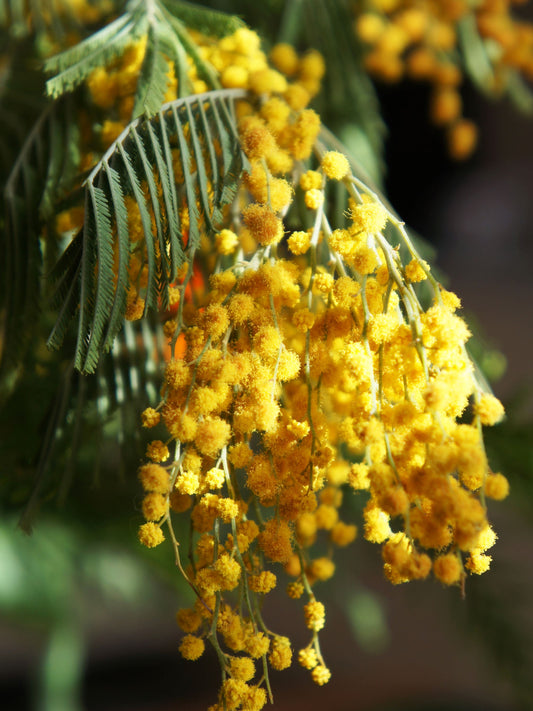
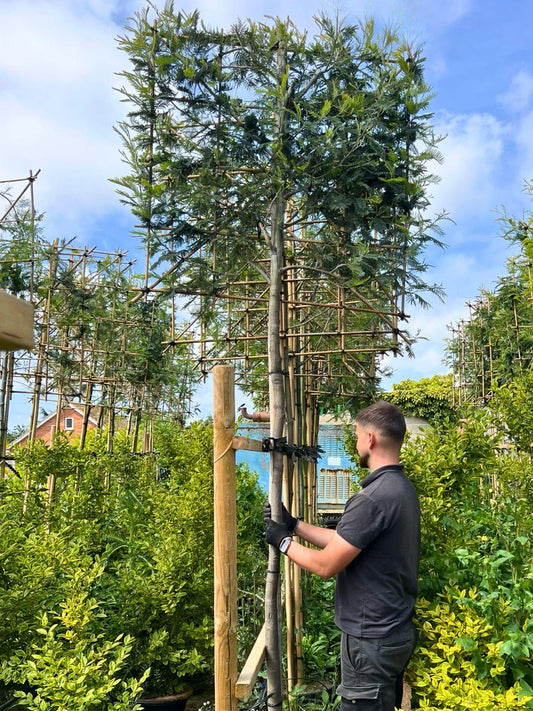
Late winter and early spring also belong to the wonderfully fluffy yellow flowers of Mimosa pleached trees, which bring a Mediterranean feel to the garden just as everything begins waking up again.
Summer
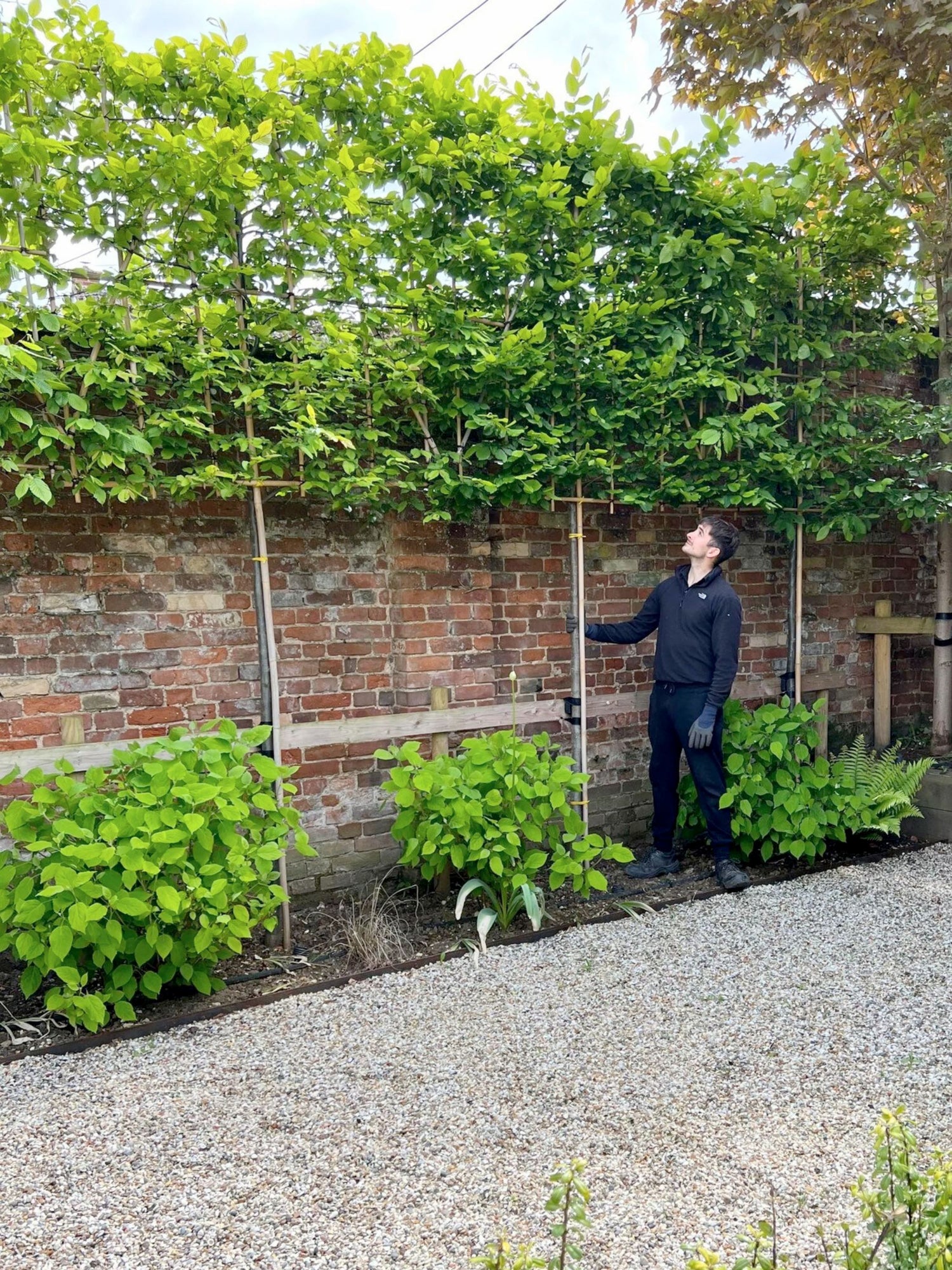
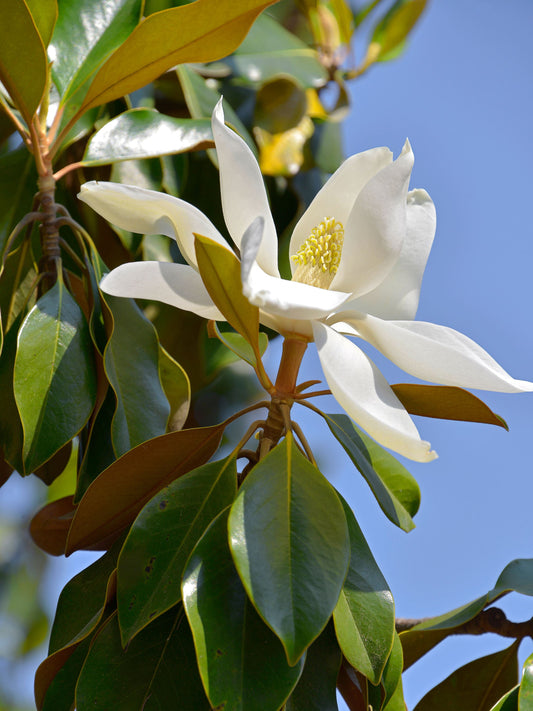
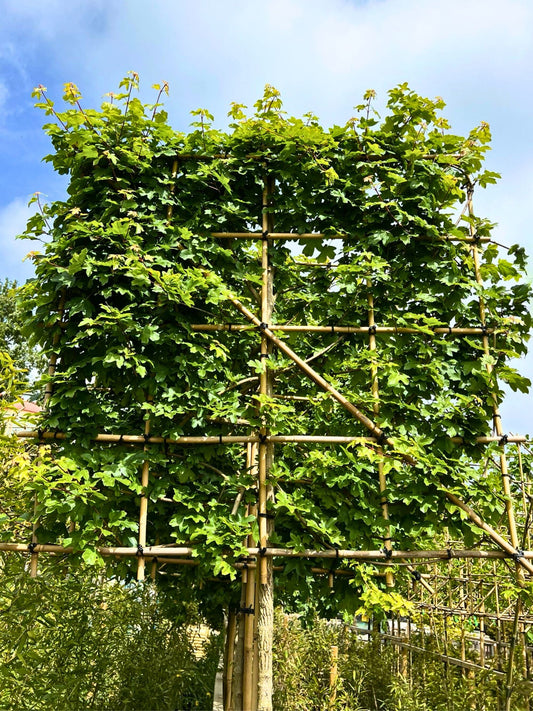
Summer is when most pleached trees look their fullest and lushest. Deciduous species are fully in leaf, evergreen screens regain fullness after spring renewal, and ornamental species such as Magnolia pleached trees create a luxurious Mediterranean-style feel.
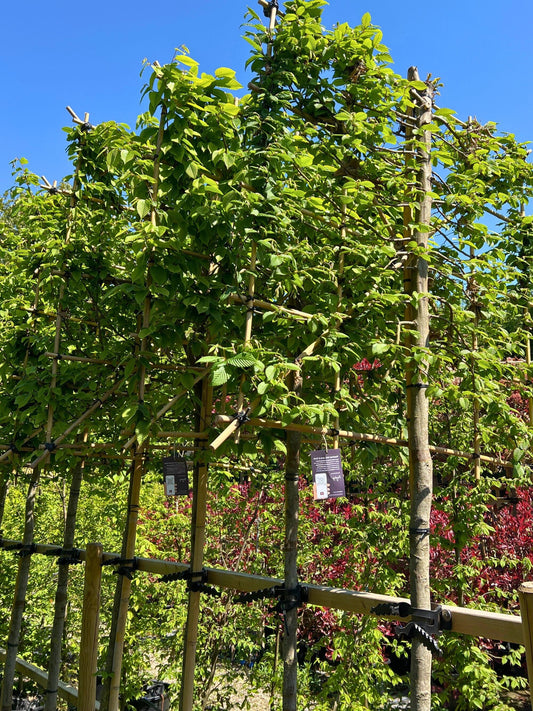
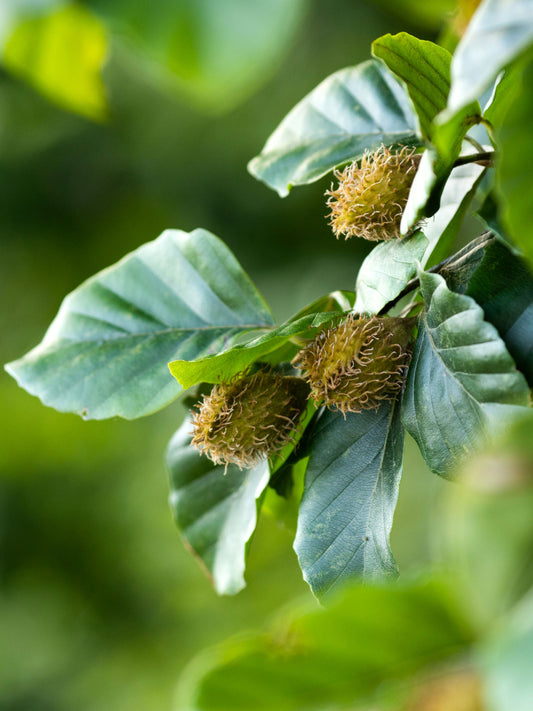
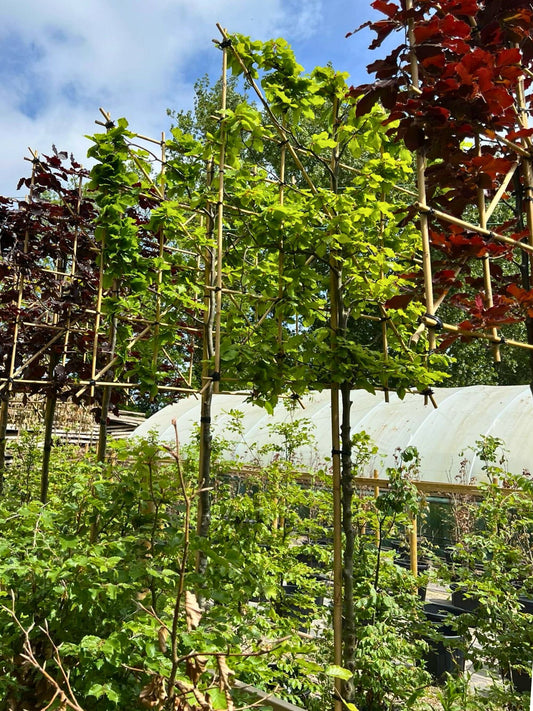
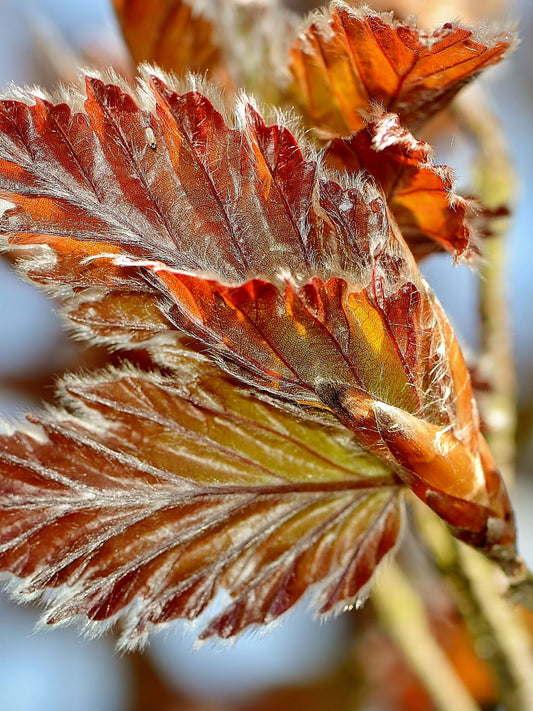
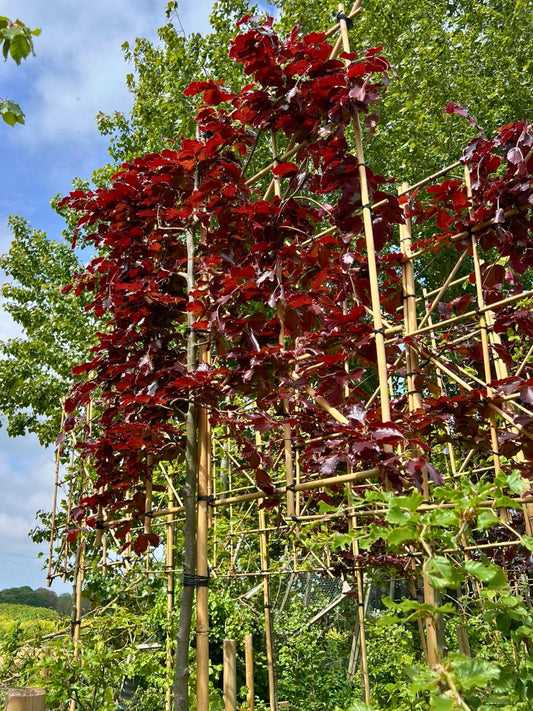
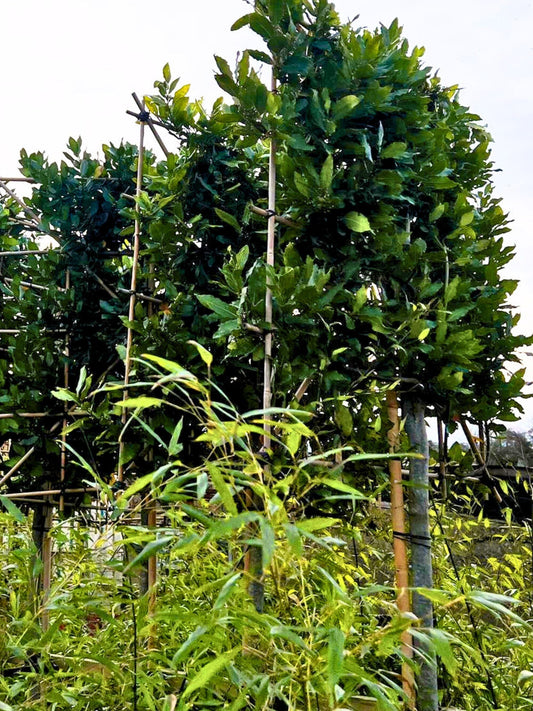
Species such as Japanese Privet pleached trees, Small-Leaved Lime pleached trees, Green Beech pleached trees, Copper Beech pleached trees, and London Plane pleached trees also look particularly lush and full during the warmer months.
Autumn
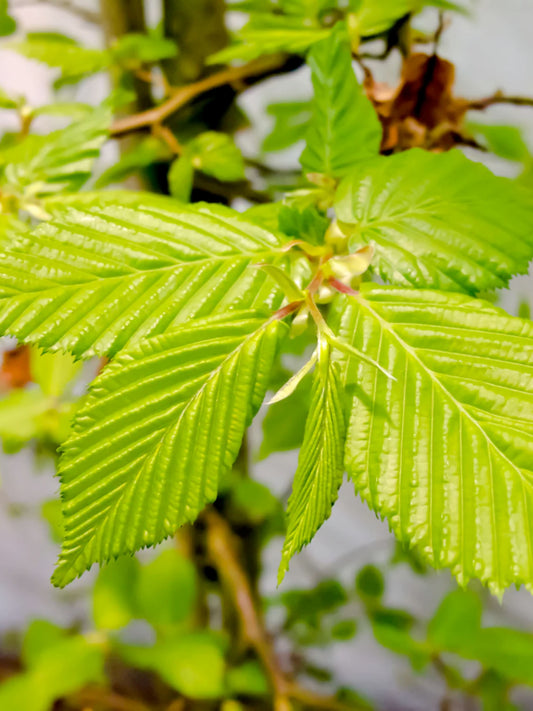
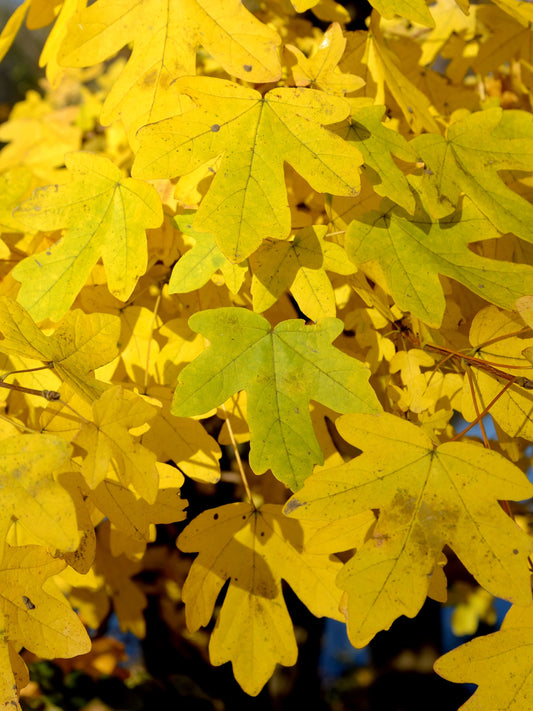
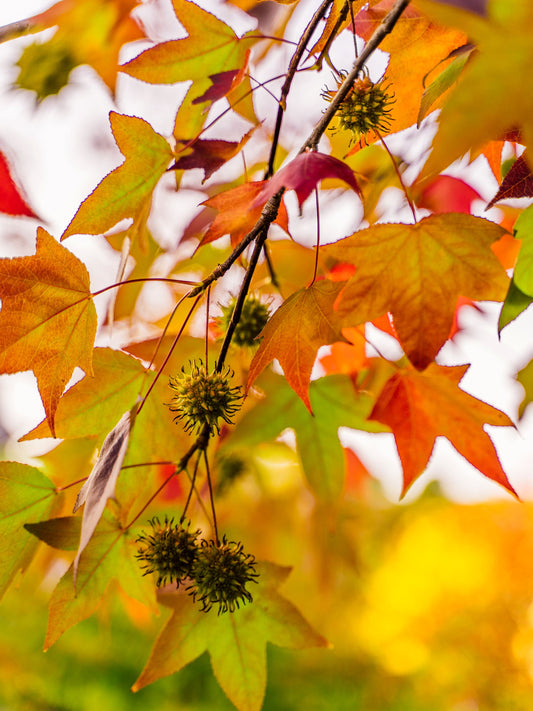
Autumn then brings a completely different kind of beauty. Species such as Sweetgum pleached trees, Field Maple pleached trees, and Hornbeam pleached trees produce warm seasonal tones that can completely transform a garden.
Winter
Then winter arrives, and the garden changes again. Deciduous species naturally lose their leaves, while evergreen pleached trees become the stars of the show.
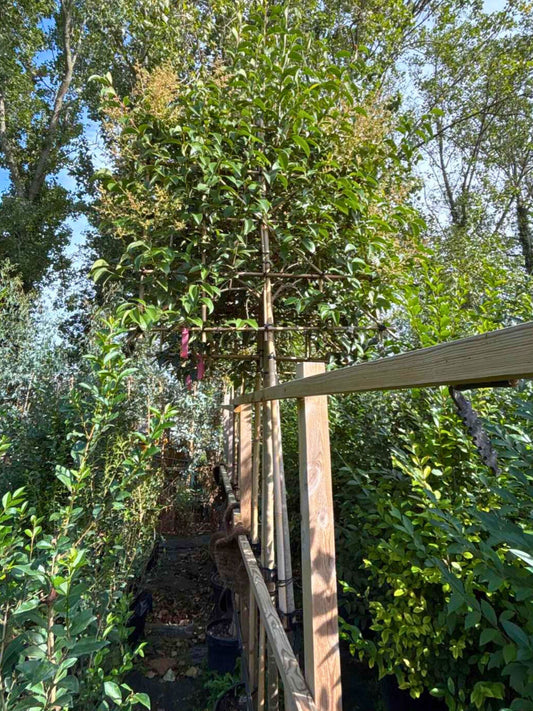
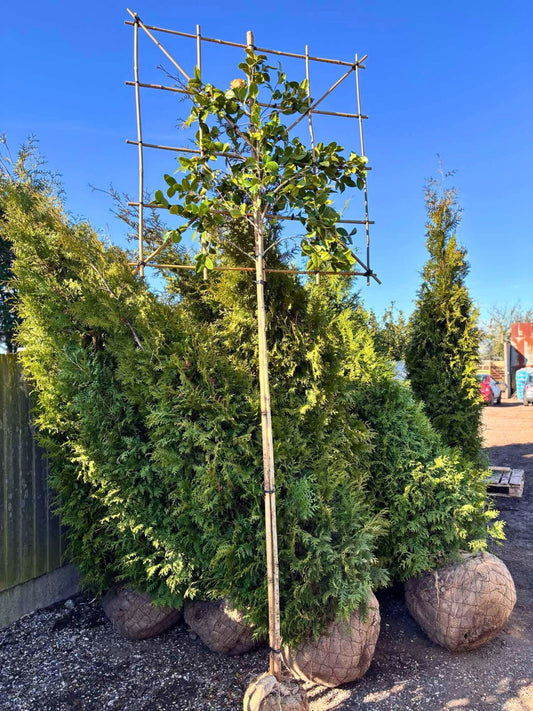
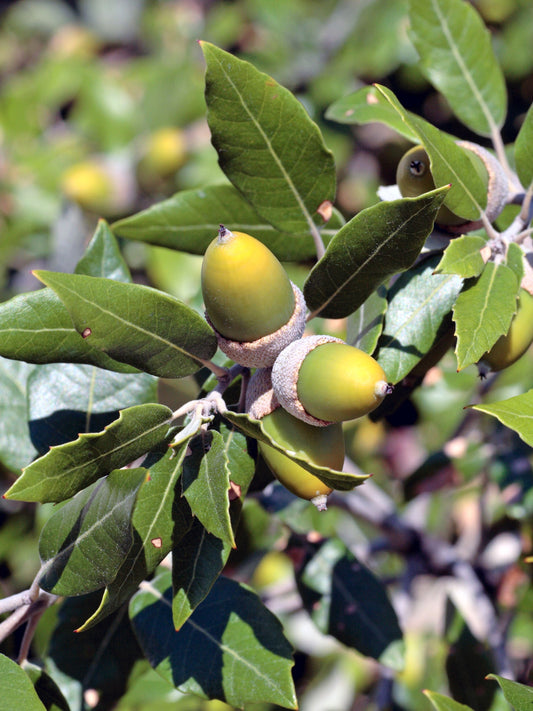
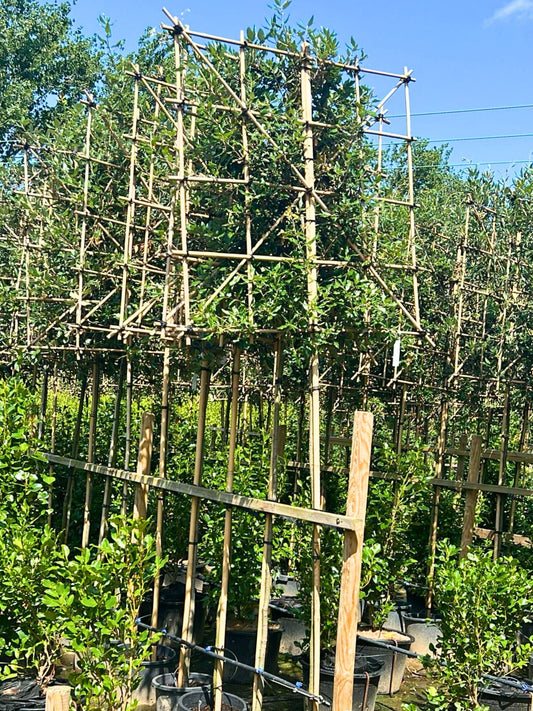
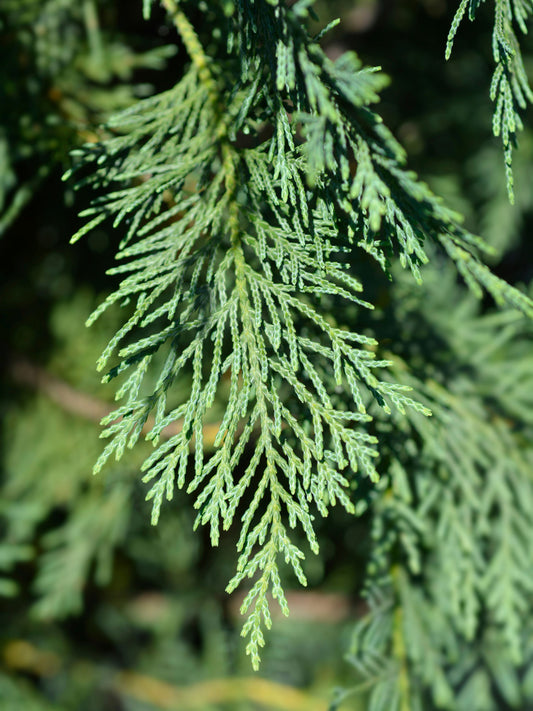
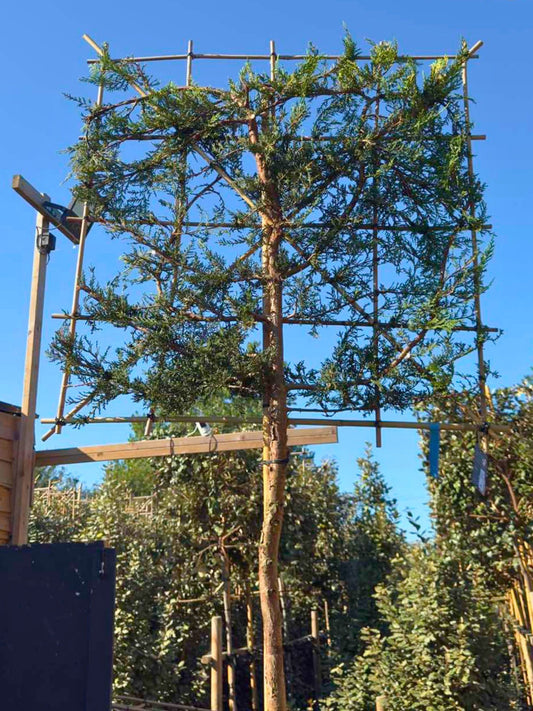
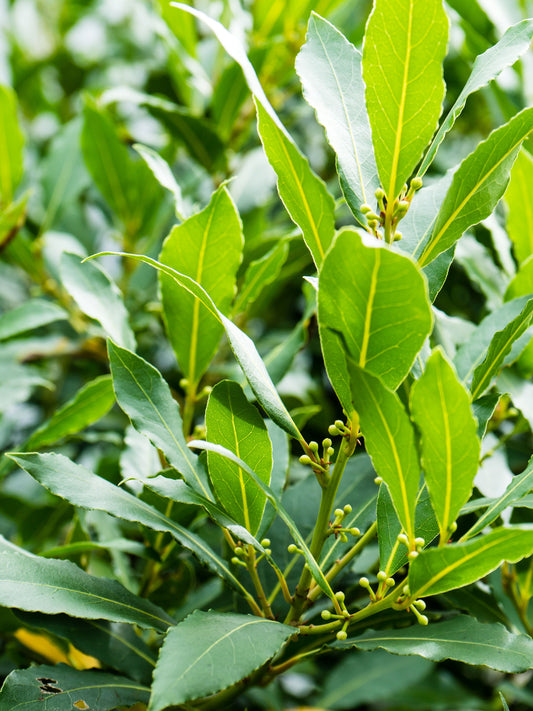
This is when species such as Holm Oak pleached trees, Silverberry Oleaster pleached trees, Novita Laurel pleached trees, Portuguese Laurel pleached trees, Bay pleached trees, and Leyland Cypress pleached trees really come into their own.
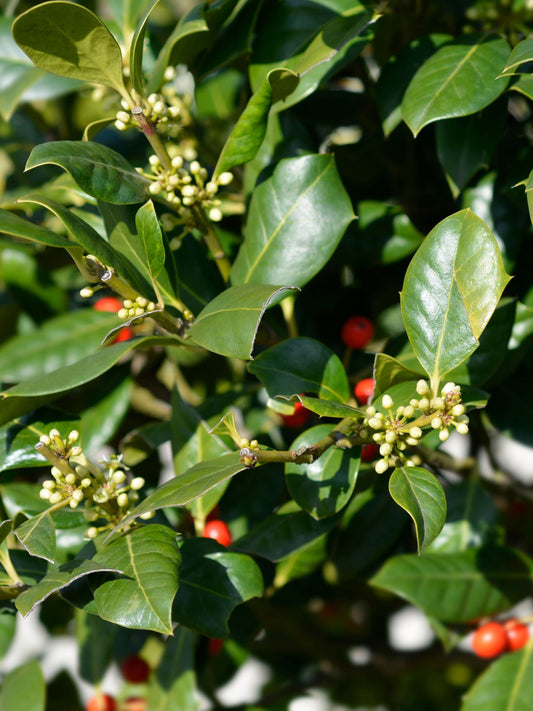
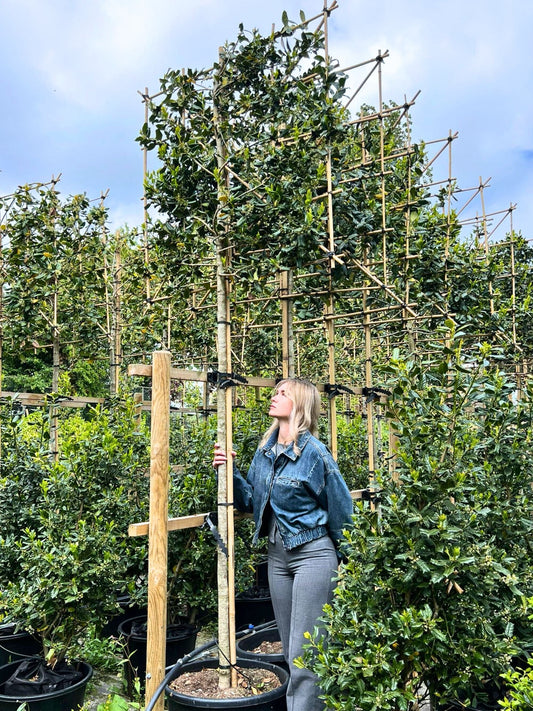
And of course, no winter garden feels quite complete without the festive red berries of Holly pleached trees, which bring beautiful seasonal interest around Christmas.
It’s also important to remember that even evergreen species naturally renew older foliage. During spring, some trees may temporarily shed older inner leaves as fresh growth emerges. This is completely normal and part of the natural growth cycle.
All species have their own seasonal charm. Evergreens provide year-round privacy and structure, while deciduous and flowering species bring changing seasonal beauty and character throughout the year.









![Ultra-Mature Small-Leaved Lime Pleached Tree [Tilia cordata 'Greenspire'] | Mature Pleached Trees](http://justpleachy.co.uk/cdn/shop/files/ultra-mature-small-leaved-lime-pleached-tree-tilia-cordata-greenspire-mature-pleached-trees-pleached-tree-deciduous-small-leaved-lime-pleachy-trees-248905.jpg?v=1746369655&width=533)