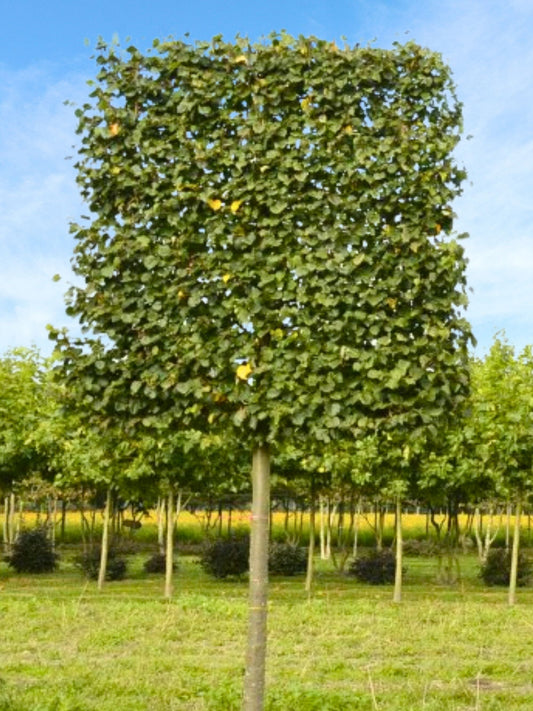

Selection Guide: The Best Pleached Trees for Clay Soil
If your garden has clay soil, it’s completely understandable to feel a little nervous about planting trees. Clay can be sticky in winter, slow to drain, and stubbornly compacted after long periods of rain. But the good news is that some pleached tree species are far more tolerant of clay soil than others.
In fact, many of our customers specifically come to us looking for the best pleached trees for clay soil, which is a common reality across vast areas of the UK. While some species absolutely hate sitting in wet soil (we’re looking at you, Red Robin...), others are much more forgiving.
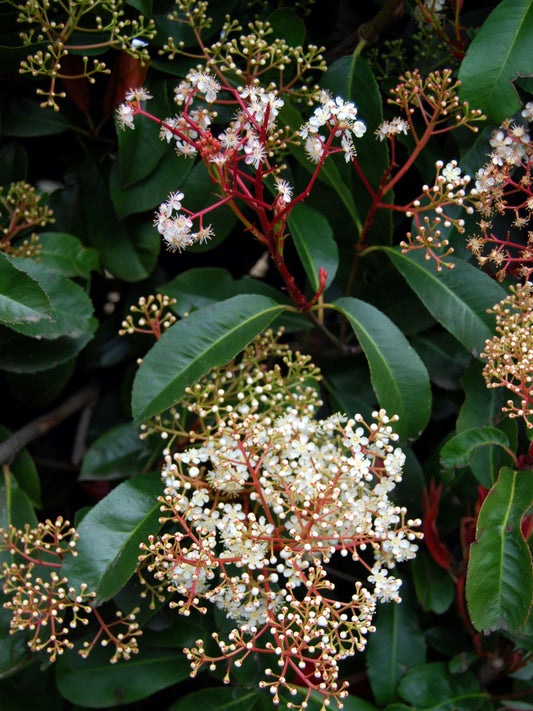
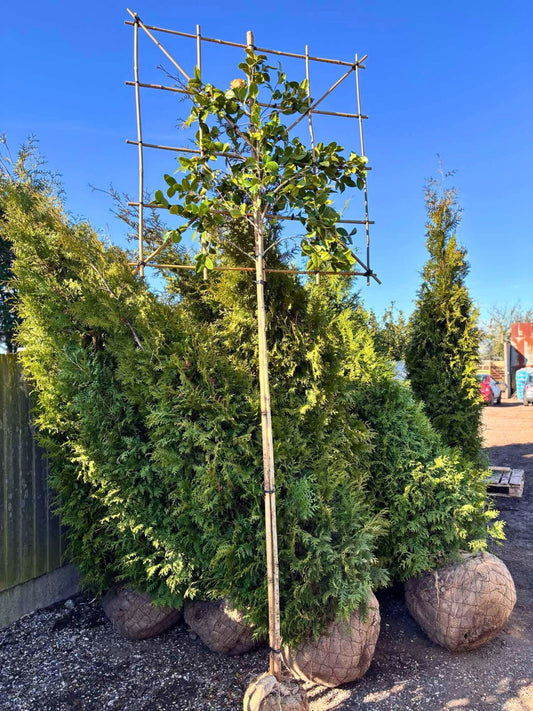
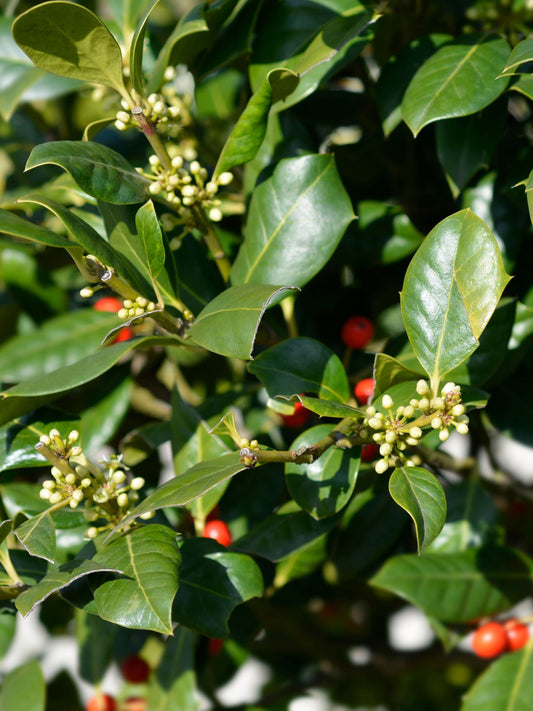
Portuguese Laurel: The Reliable Evergreen
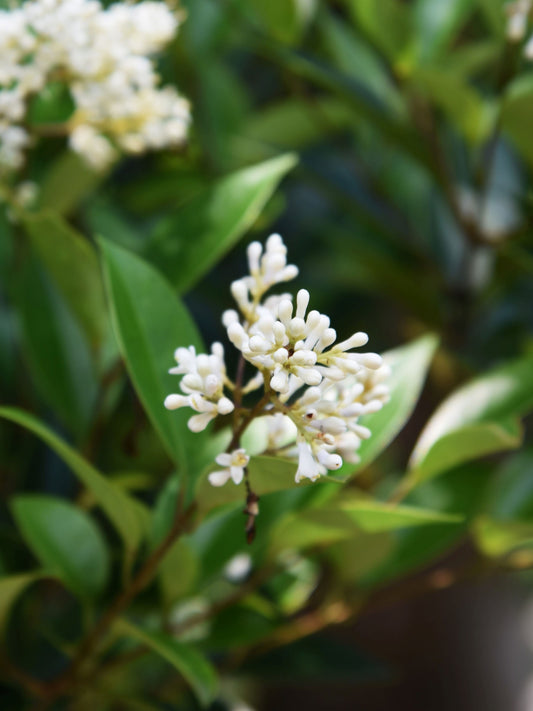
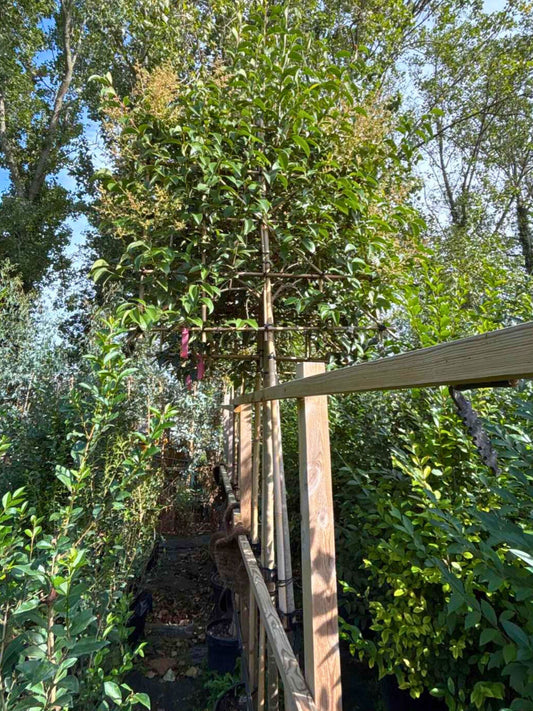
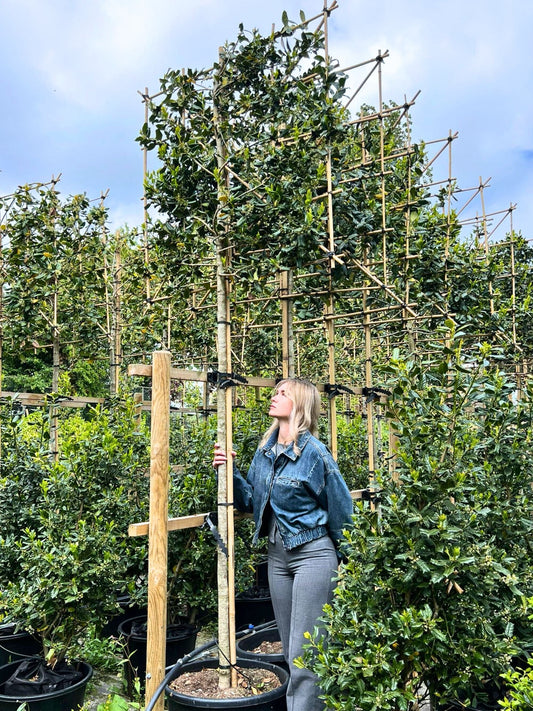
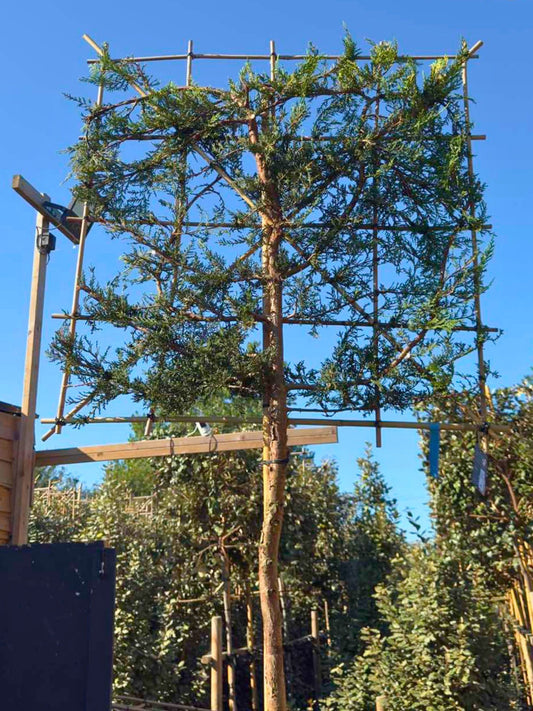
When customers ask us for the best evergreen pleached tree for clay soil, the answer is very often Portuguese Laurel pleached trees.
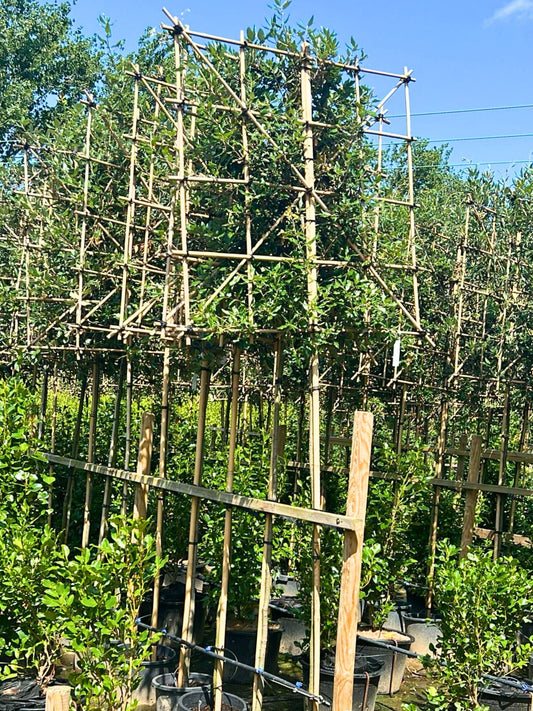
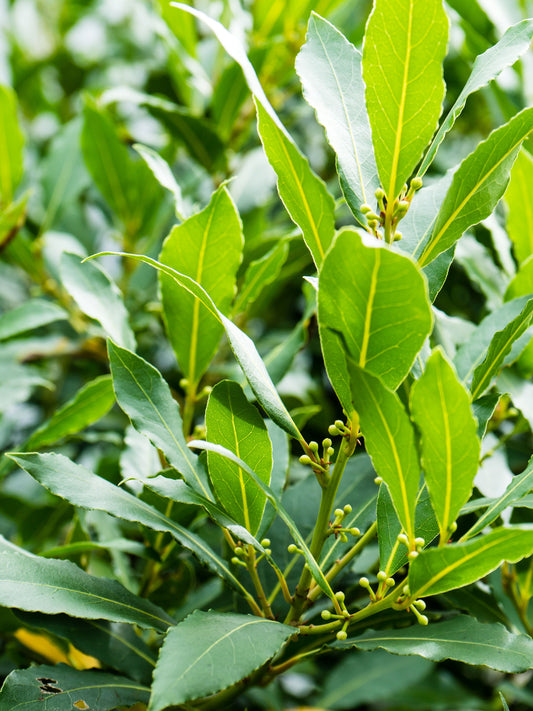
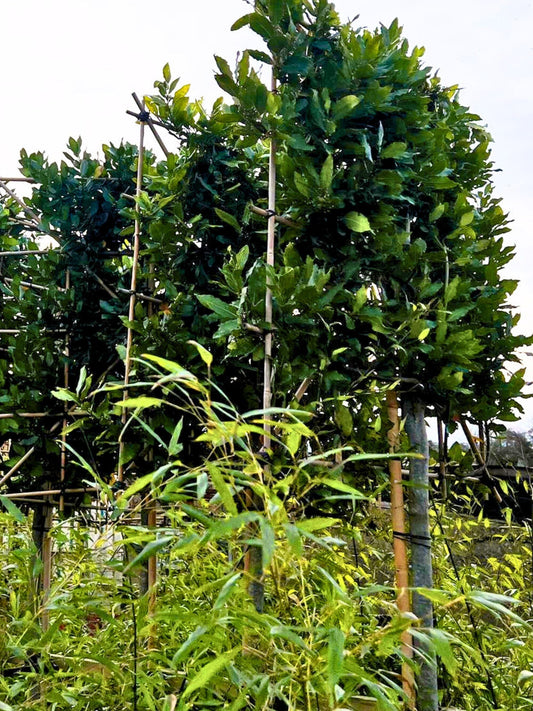
And honestly, it’s popular for good reason. Portuguese Laurel tends to be one of the more adaptable evergreen screening species, coping far better with heavier soils than more drainage-sensitive options. It creates a dense year-round evergreen screen, has elegant dark green foliage, and generally feels calm, timeless, and wonderfully understated in the garden.
Importantly, it also tends to tolerate the sort of imperfect real-world conditions many UK gardens actually have. Heavier clay soils and gardens that stay slightly damper during winter are often much less of an issue for Portuguese Laurel than they would be for more sensitive species.
Hornbeam: The Best Deciduous Choice for Clay
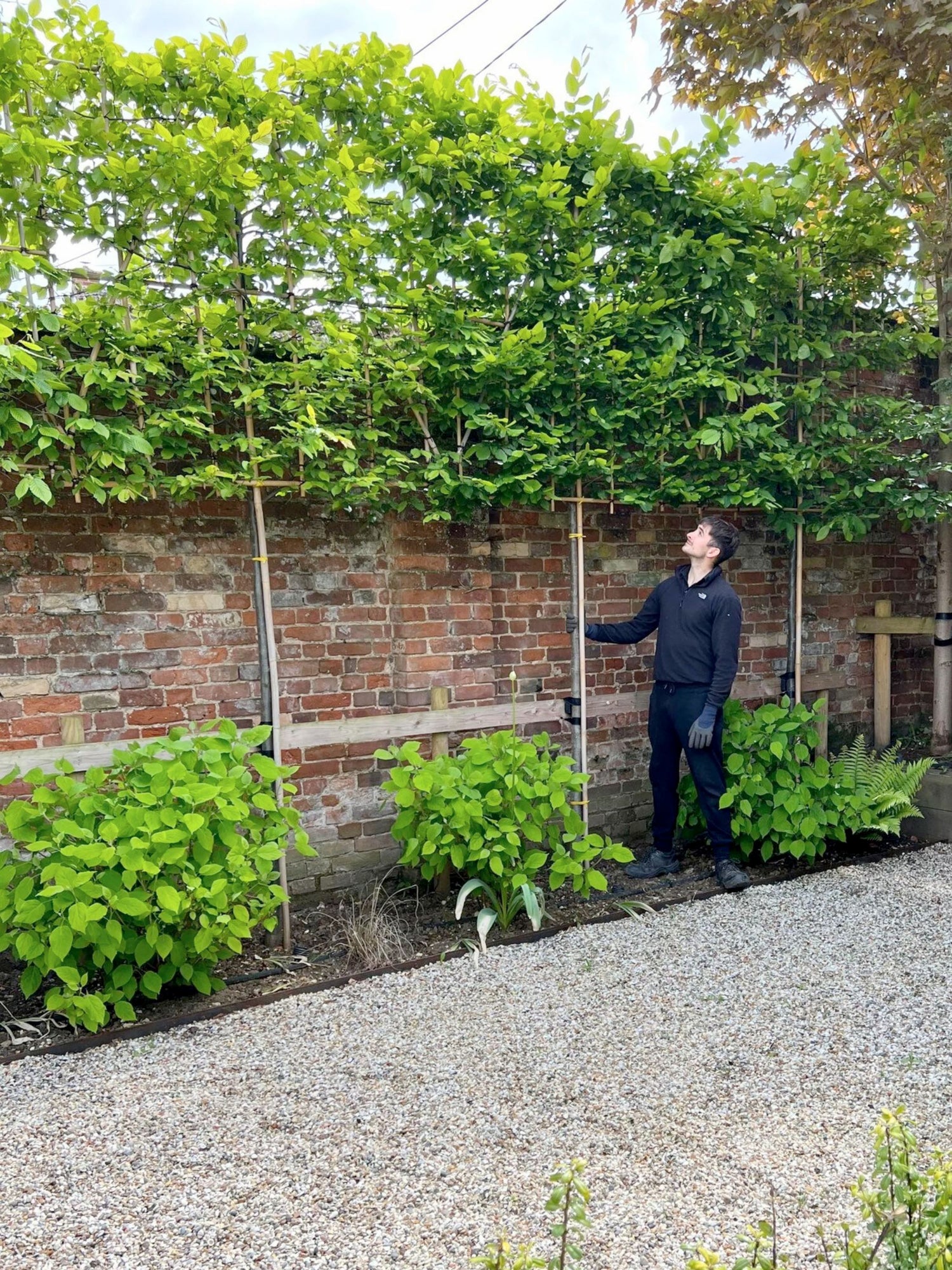
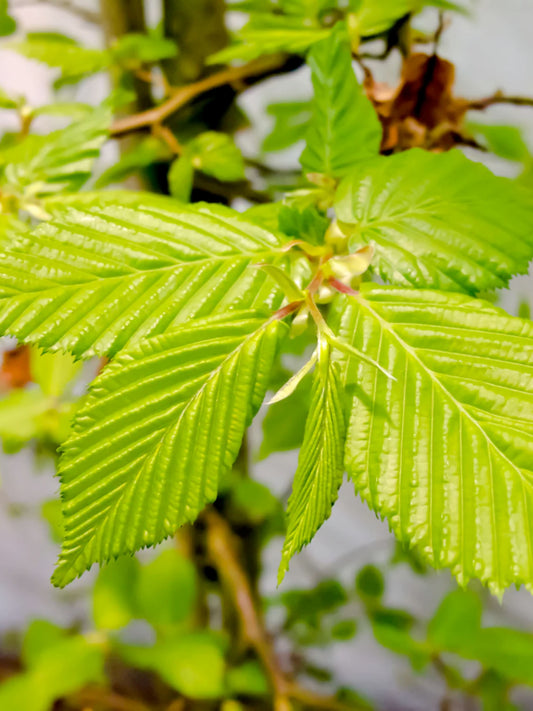
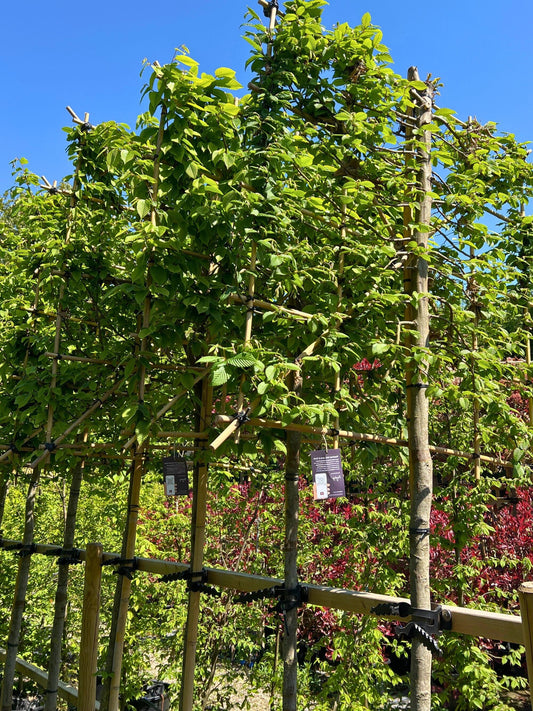
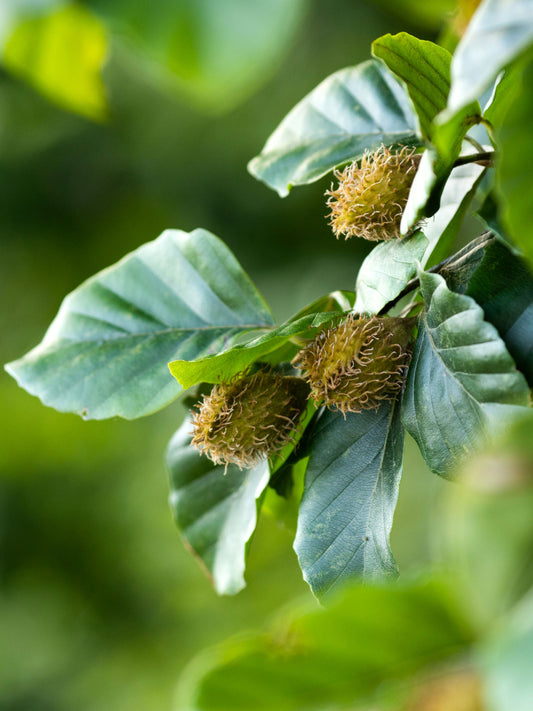
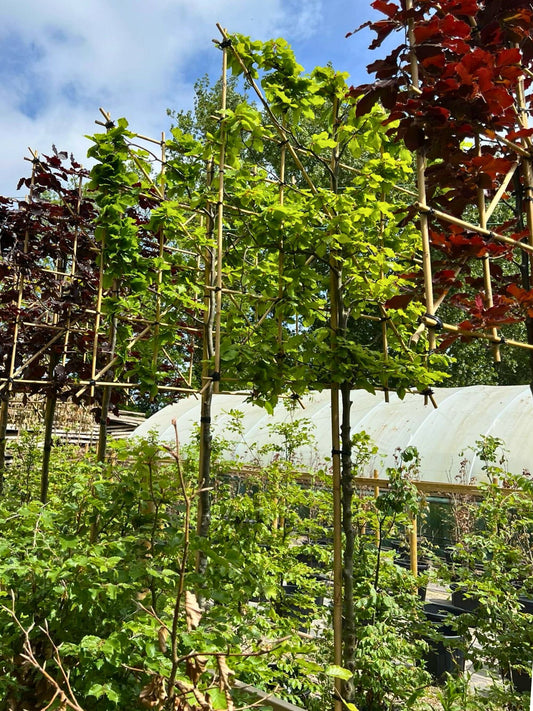
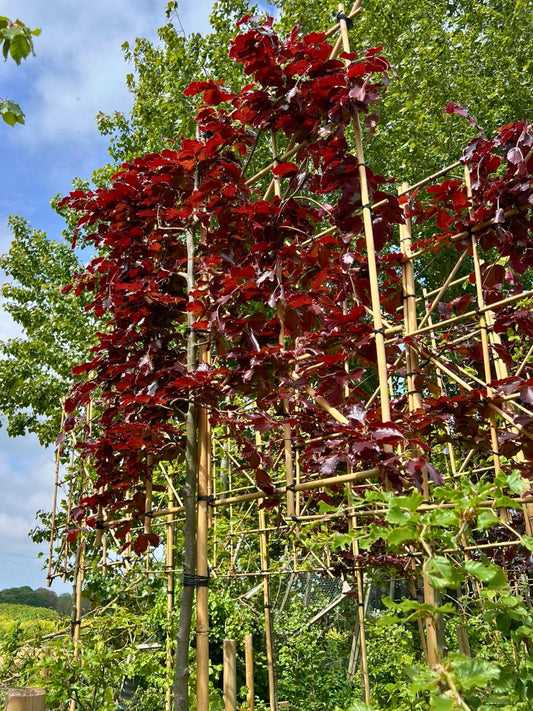
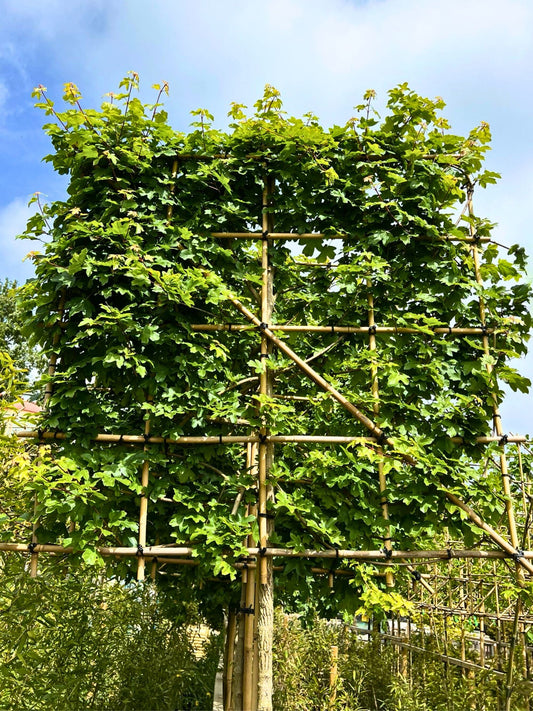
If you prefer a softer, more seasonal look, then Hornbeam pleached trees are often the standout option.
Hornbeam is probably our best deciduous pleached tree for clay soil, particularly in traditional gardens and larger landscaping schemes.
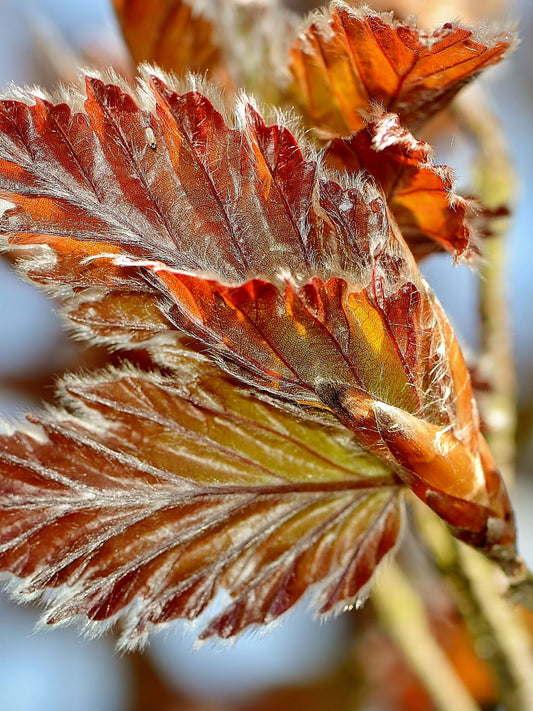
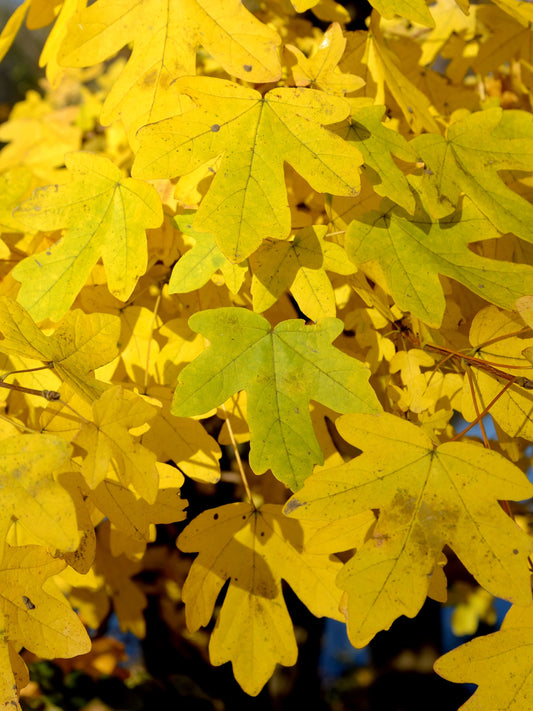
Through spring and summer, Hornbeam develops beautiful fresh green foliage before warming into rich golden tones during autumn. It also tends to cope particularly well with heavier UK soil conditions.
A Small Note About Red Robin
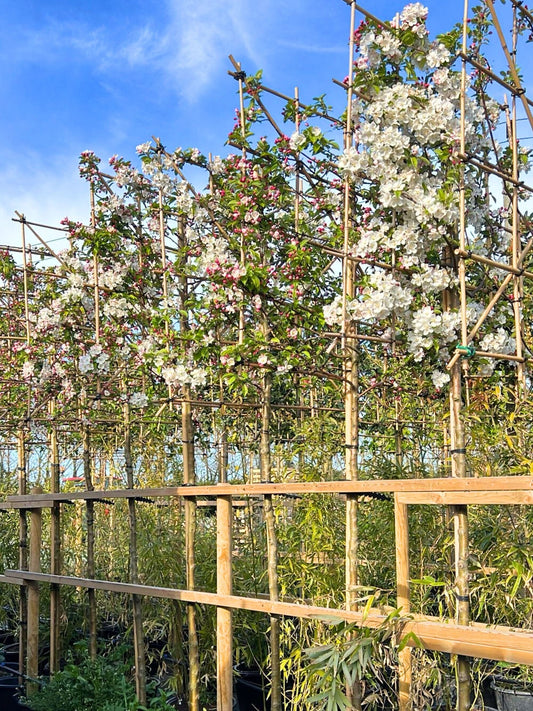
As we get asked this all the time, it’s worth mentioning. We know many customers absolutely love the look of Red Robin pleached trees, and they are stunning. But they really don’t tend to love heavy clay gardens in return. Red Robins dislike “wet feet” and generally prefer much more free-draining soil conditions, so they’re often not the best match for poorly draining clay soil.
Clay Soil Isn’t Always the Real Problem
Interestingly, clay itself is not always the issue. Clay soil can actually be very nutrient-rich. The bigger challenge is often drainage.
And while some species cope better with heavier soils than others, no species will cope happily sitting in permanently waterlogged ground. Even in clay soil gardens, the planting area still needs to be capable of draining reasonably well over time.
Work With Your Garden, Not Against It
The good news is that having clay soil simply means choosing species that are better suited to the conditions your garden naturally provides. That’s often the secret to long-term success in gardening generally. Working with your garden rather than constantly trying to fight against it.
If you’re unsure which species may suit your garden best, our Tree Finder Quiz is a brilliant place to start.









![Ultra-Mature Small-Leaved Lime Pleached Tree [Tilia cordata 'Greenspire'] | Mature Pleached Trees](http://justpleachy.co.uk/cdn/shop/files/ultra-mature-small-leaved-lime-pleached-tree-tilia-cordata-greenspire-mature-pleached-trees-pleached-tree-deciduous-small-leaved-lime-pleachy-trees-248905.jpg?v=1746369655&width=533)