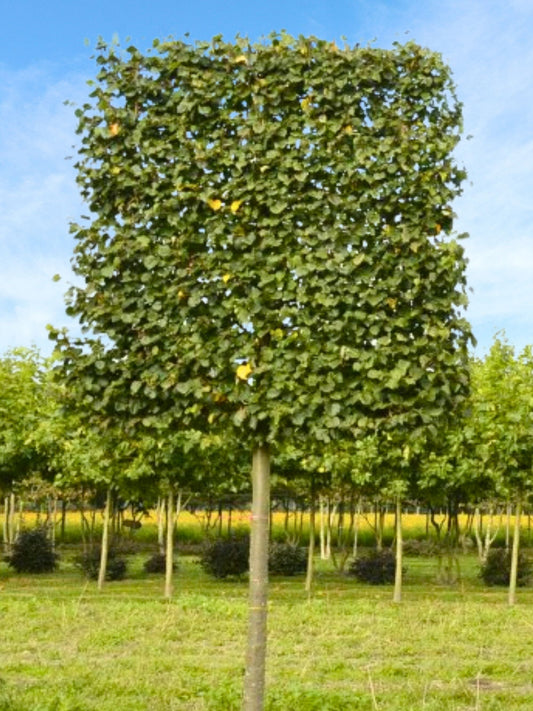

Insider's Guide: What Should I Look for When Buying Pleached Trees?
Buying pleached trees can feel overwhelming once you start looking properly. Suddenly you’re comparing evergreen vs deciduous, stem girths, clear stems, frame sizes, flowering species, privacy levels… and before you know it, you’re three tabs deep wondering why one tree costs twice as much as another.
The truth is, not all pleached trees are created equal. And choosing the right ones isn’t just about picking the prettiest. It’s about understanding how the trees will actually look, grow, and perform in your garden over time. So before you buy, here are the key things worth understanding.
First, Think About What You Actually Want Them To Do
Most people start by saying they want “privacy”. But privacy can mean very different things depending on the garden.
Some customers want dense year-round screening from overlooking windows. Others want to soften a fence line, hide an ugly view, create structure around a patio, or simply make the garden feel more luxurious and established.
And that’s important, because different species excel at different things.
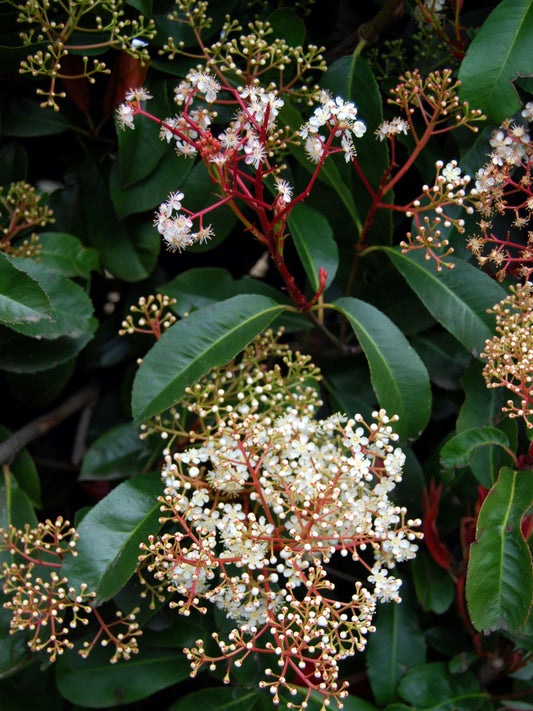
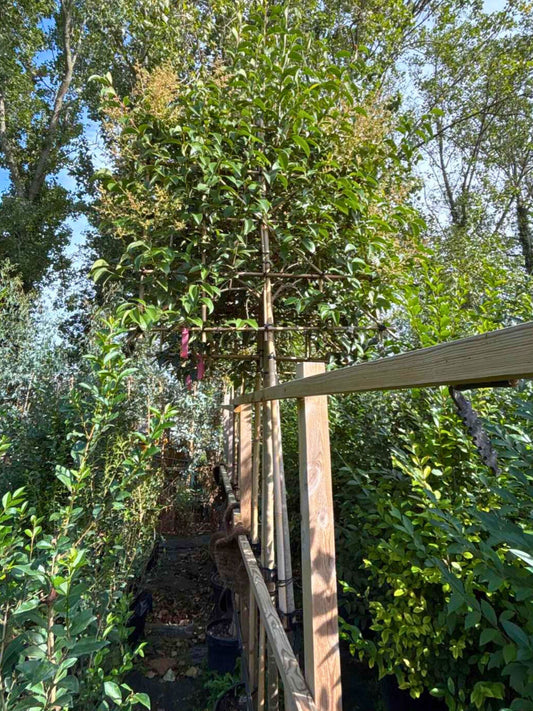
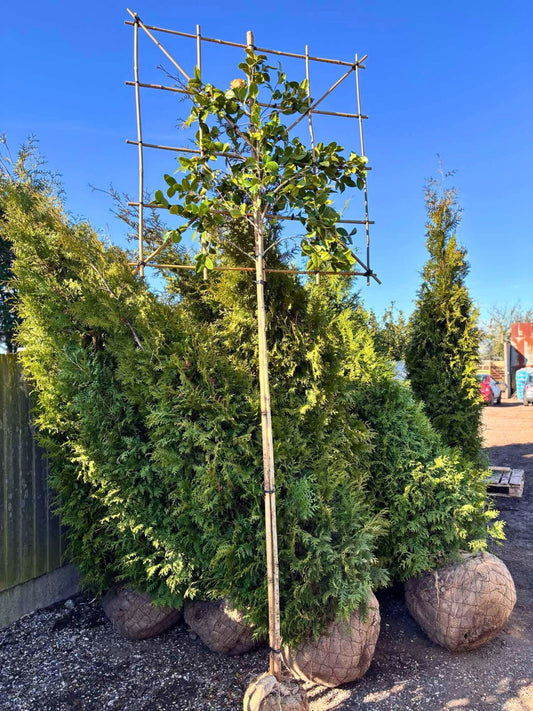
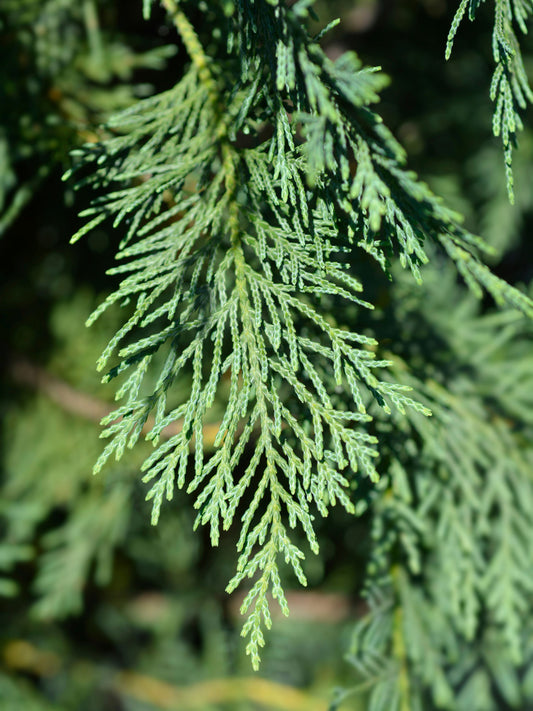
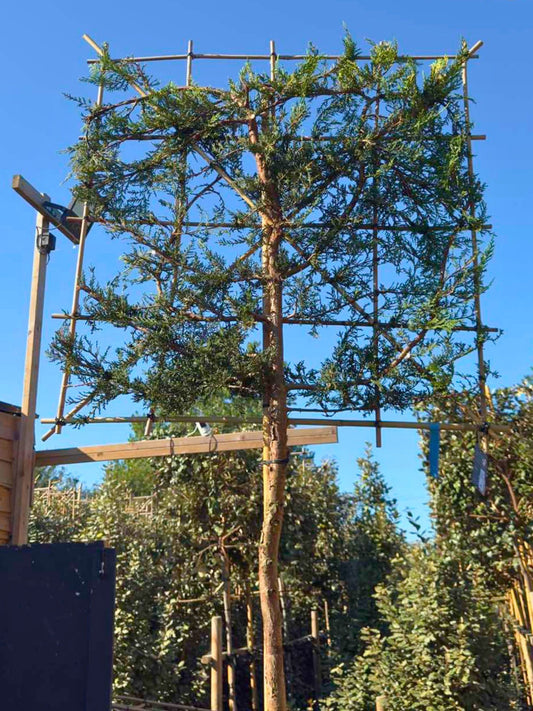
If your priority is strong evergreen screening, species such as Portuguese Laurel pleached trees, Novita Laurel pleached trees, and Leyland Cypress pleached trees are often popular choices because they stay fuller and greener throughout the year.
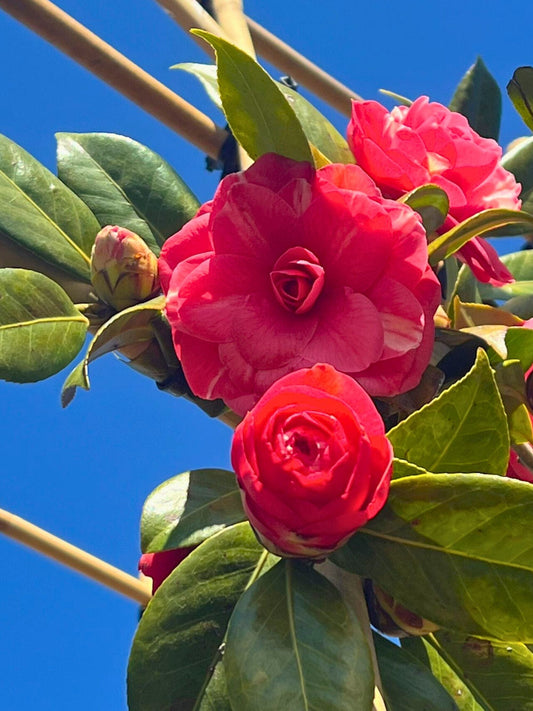
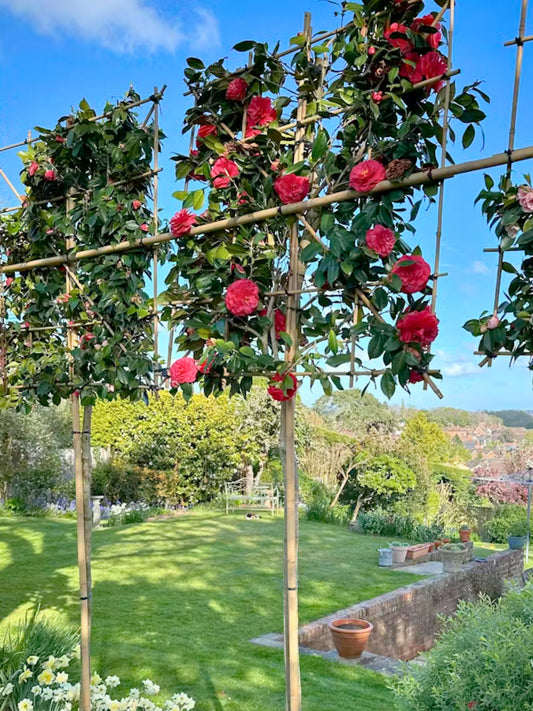
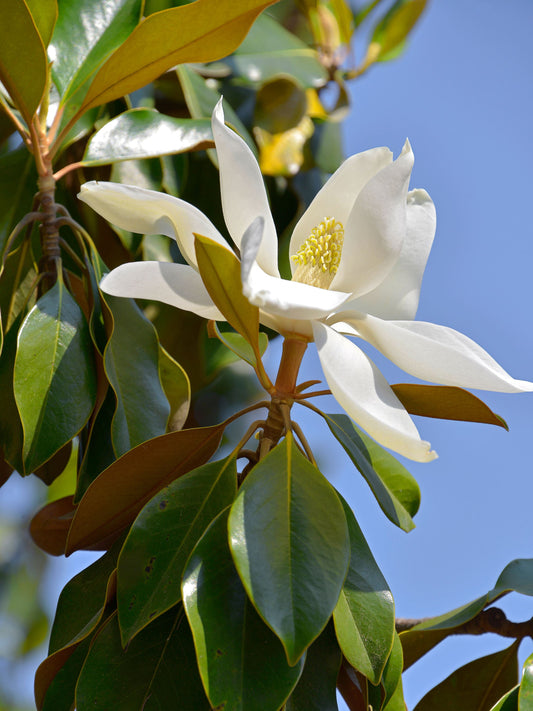
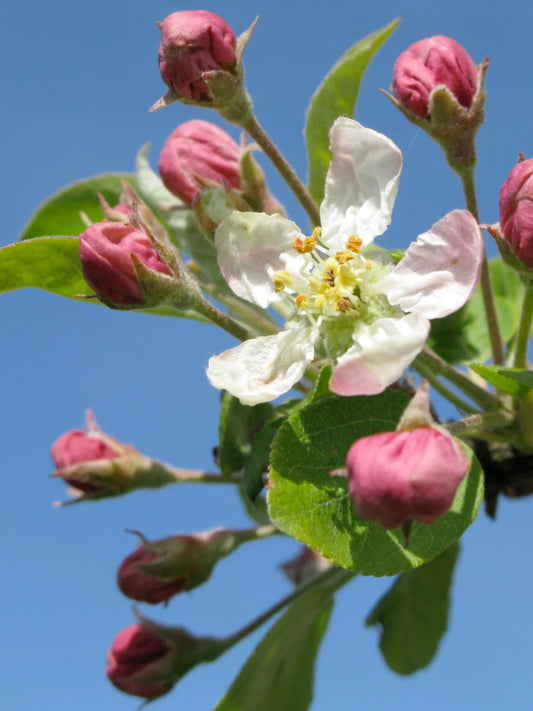
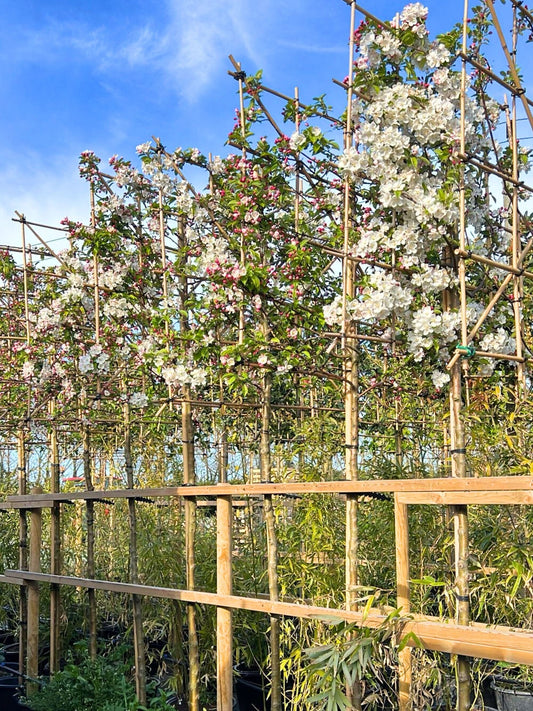
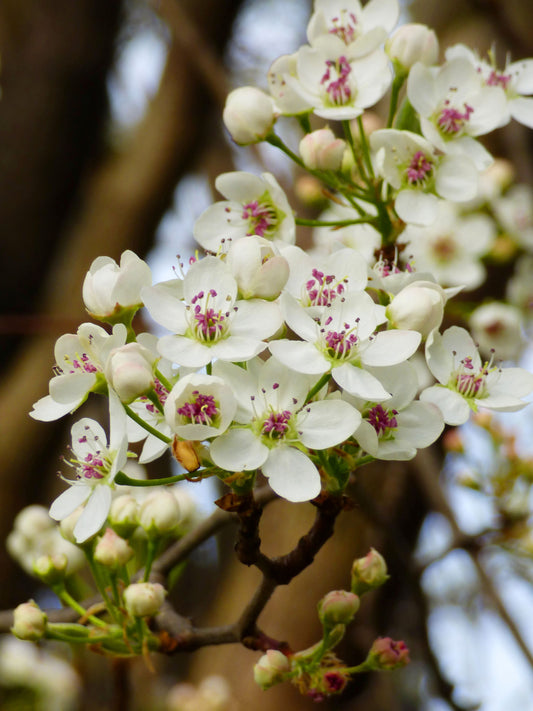
If you’re more drawn to blossom, seasonal colour, or softer ornamental planting, species such as Magnolia pleached trees, Cherry Plum pleached trees, or Crab Apple pleached trees can create a completely different feel.
If you’re still unsure which direction to go in, our Tree Finder Quiz can help narrow things down based on your garden style, privacy goals, and planting conditions. You may also find How to Use Pleached Trees for Privacy Screening helpful when planning your space.
Evergreen vs Deciduous Changes Everything
One of the biggest misunderstandings around pleached trees is assuming they all provide the same kind of screening year-round.
Evergreen pleached trees keep their foliage throughout the year, making them ideal for consistent privacy and structure.
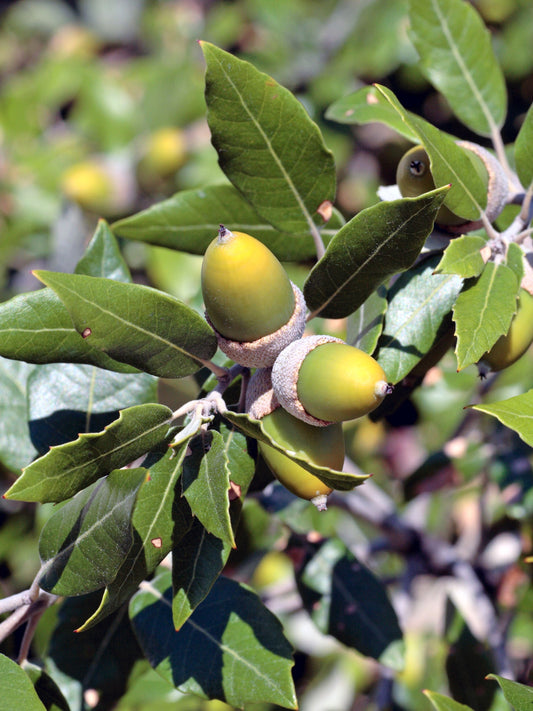
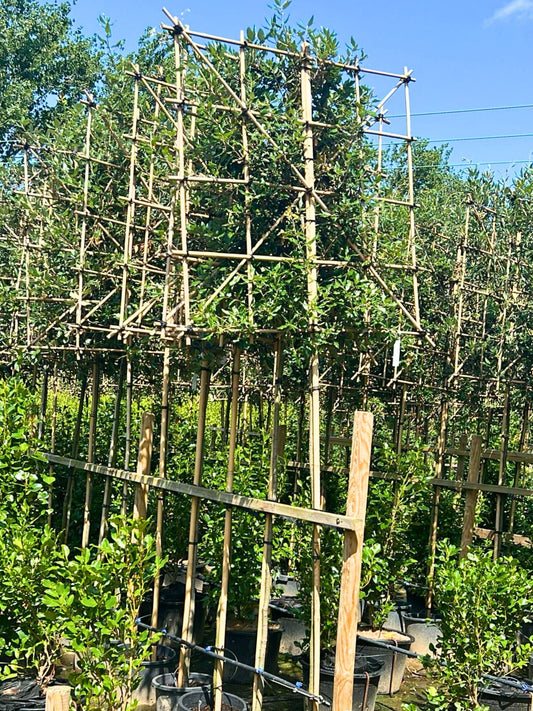
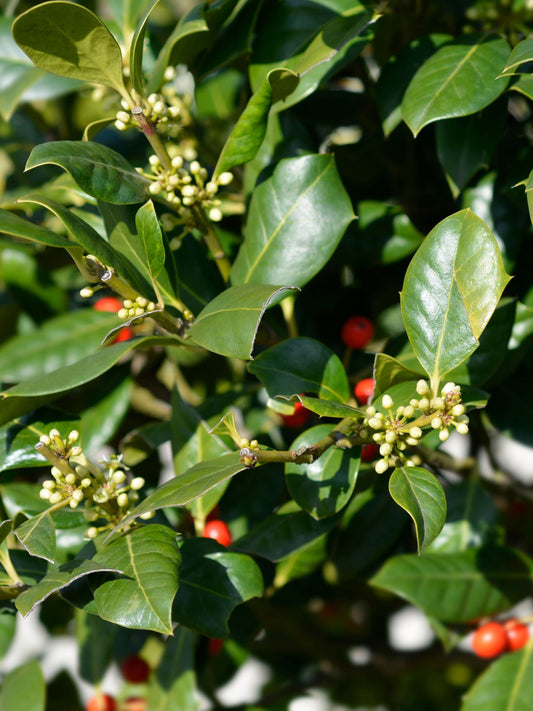
Species such as Holm Oak pleached trees, Silverberry Oleaster pleached trees, and Bay pleached trees tend to look strongest through winter.
Deciduous pleached trees, meanwhile, lose their leaves in winter but reward you with seasonal changes that many gardeners absolutely love.
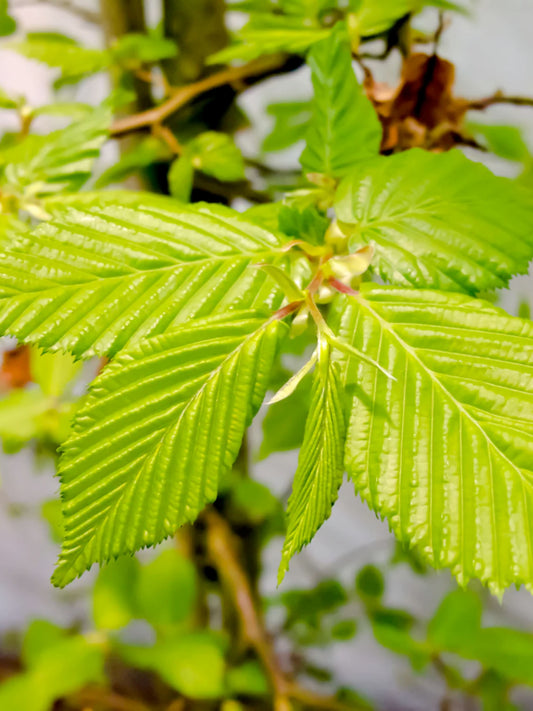
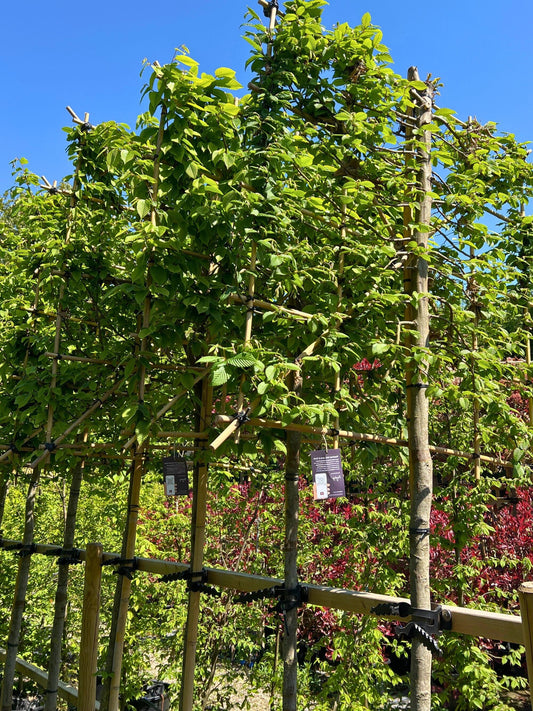
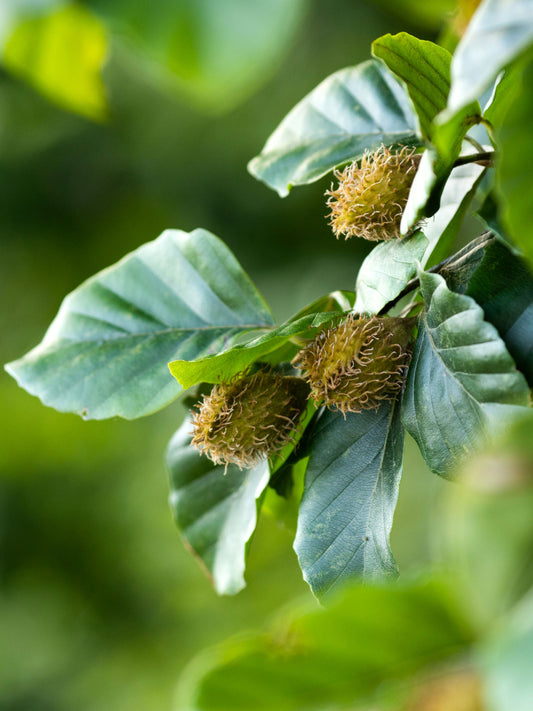
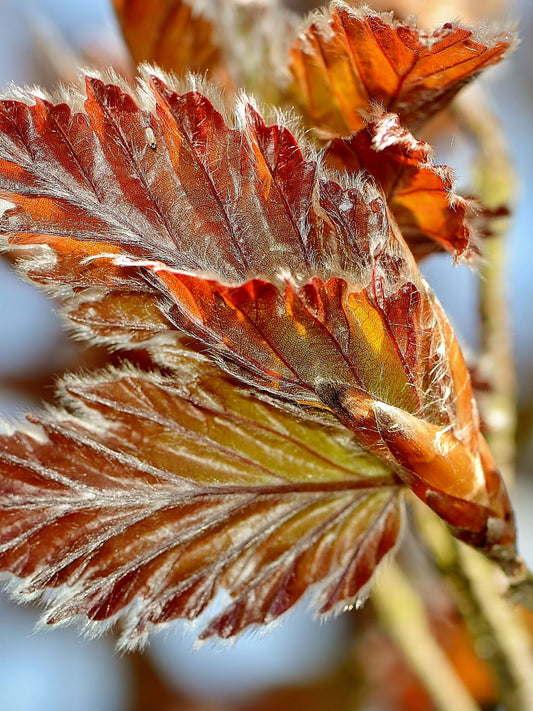
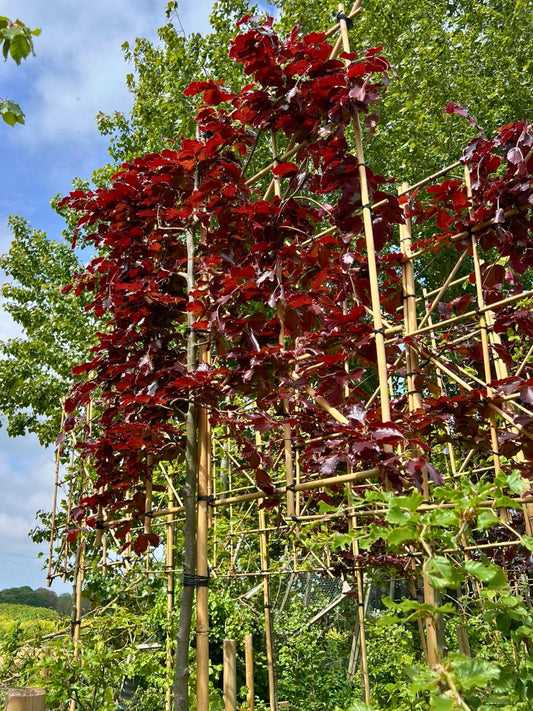
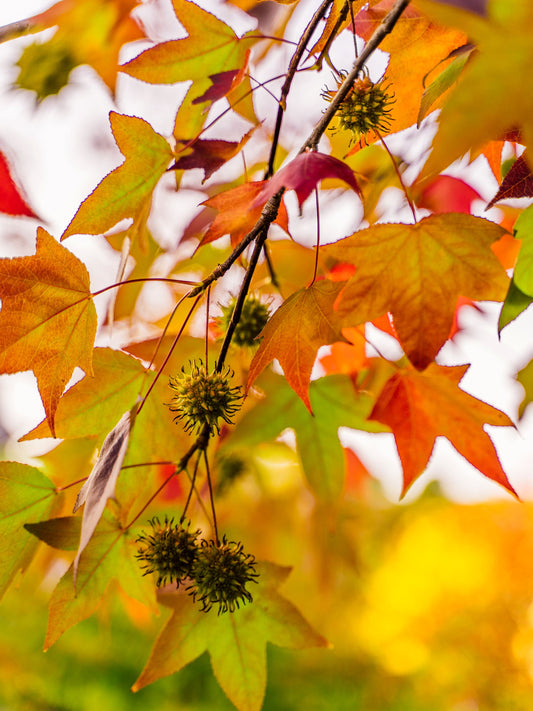
Beech pleached trees, Hornbeam pleached trees, and Sweetgum pleached trees all bring beautiful seasonal interest through spring, summer, and autumn.
If you’re weighing up the pros and cons, it’s also worth reading Evergreen Pleached Trees vs Deciduous Pleached Trees: Which Is Right for Your Garden? and What to Expect From Pleached Trees Throughout the Year.
The Size Details Matter More Than You Think
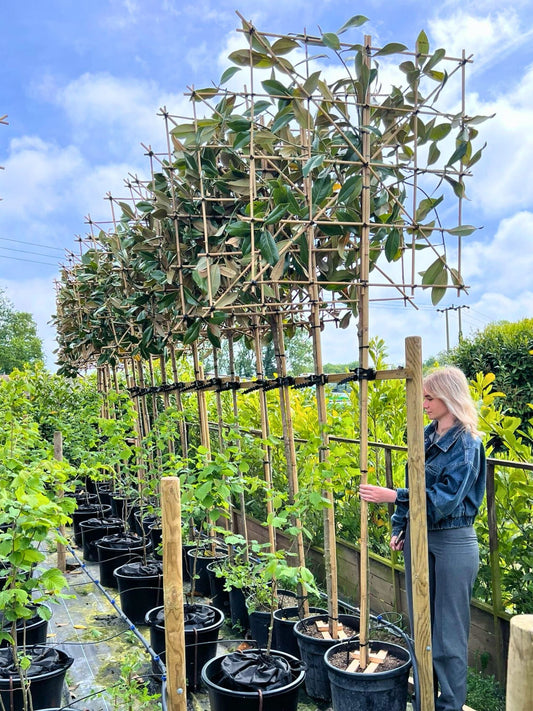
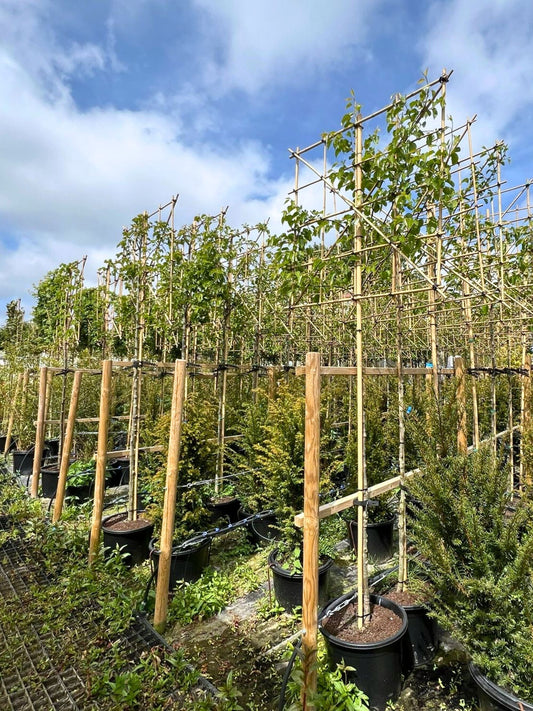
Once you start comparing pleached trees properly, you’ll quickly notice terms like clear stem, stem girth, and frame size.
These aren’t just technical nursery details. They dramatically affect how the trees will look in your garden.
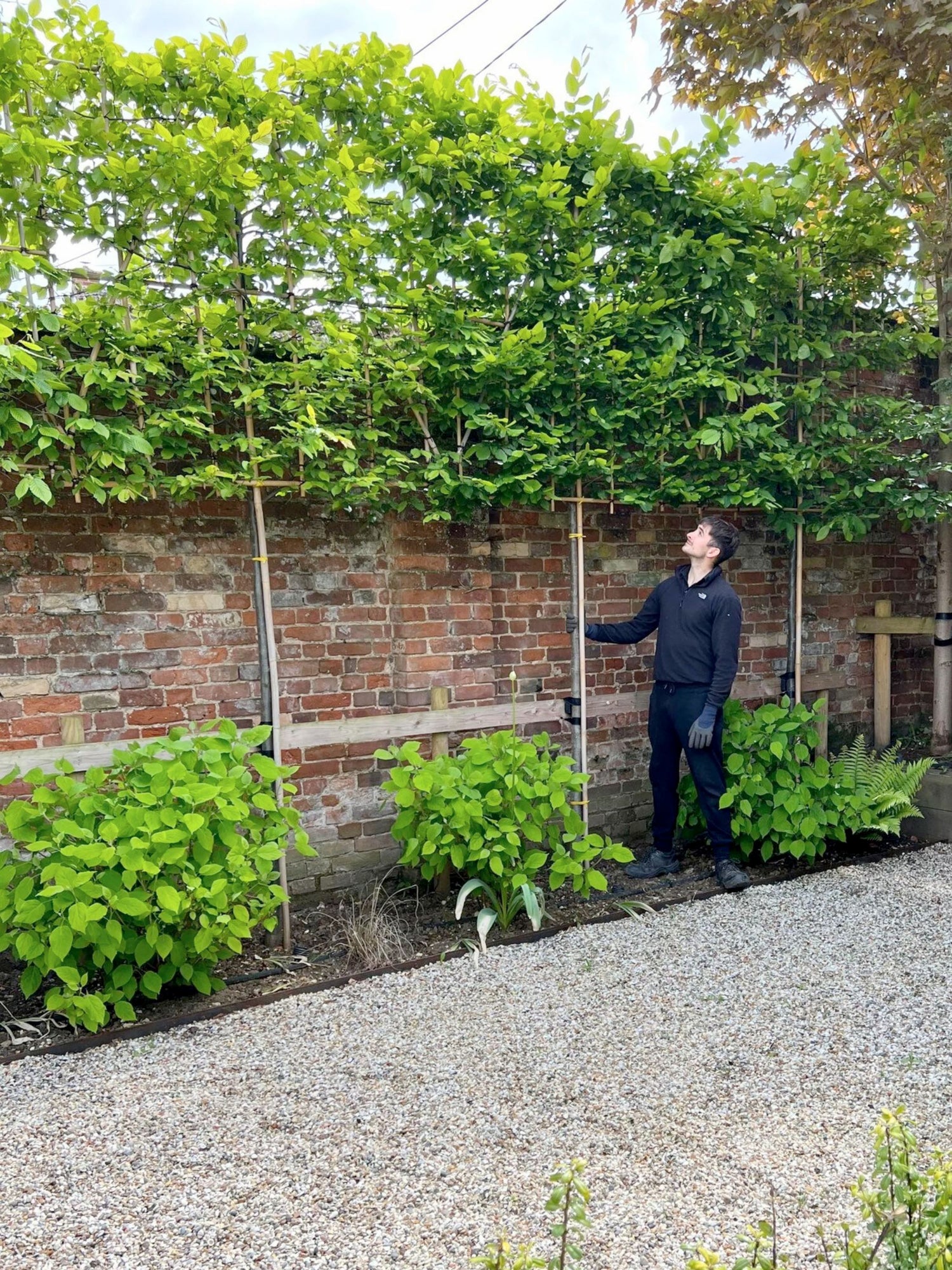
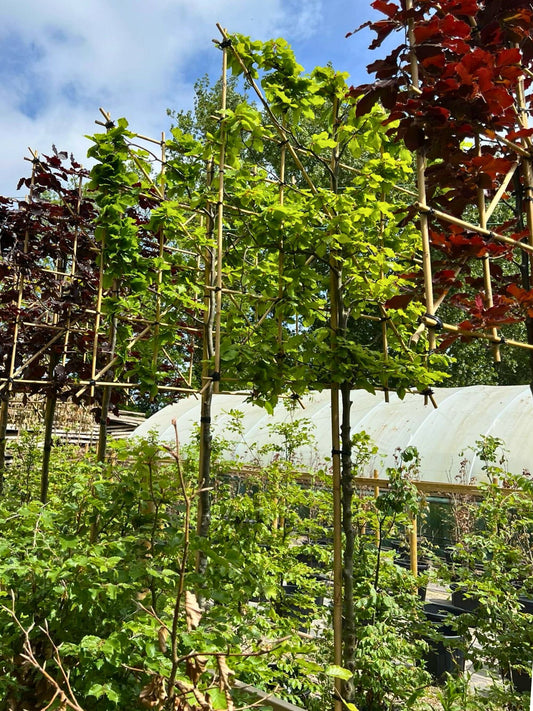
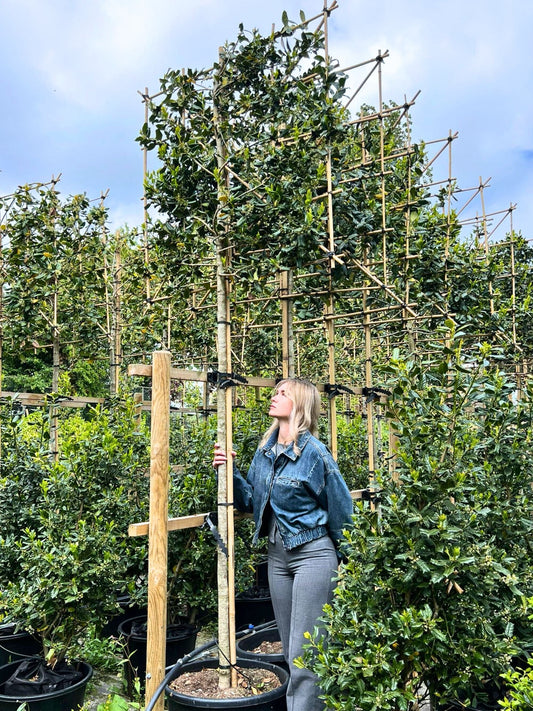
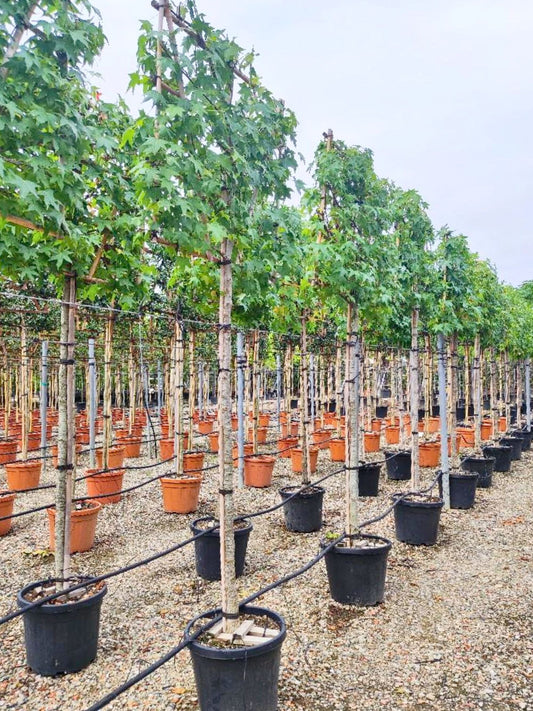
The clear stem is the bare section of trunk below the foliage. Most customers choose a clear stem height that aligns roughly with their fence or wall height. For example, a 180cm clear stem works particularly well with a standard UK 6ft fence.
The stem girth tells you how mature the tree is. Larger stem girths generally mean older, more established trees with fuller foliage and stronger instant screening.
This is why two pleached trees that look similar online can sometimes have very different price points.
If you’re planning a more formal layout or avenue effect, Attractive Ways to Plant Pleached Trees and How Can I Use Pleached Trees in Garden Design? are worth exploring too.
Some Species Are Naturally Denser Than Others
This is something many people don’t realise until they start researching properly.
Some pleached trees are naturally grown for dense screening. Others are chosen more for beauty, movement, blossom, or architectural shape.
For example, Portuguese Laurel pleached trees and Leyland Cypress pleached trees naturally form much denser screening panels.
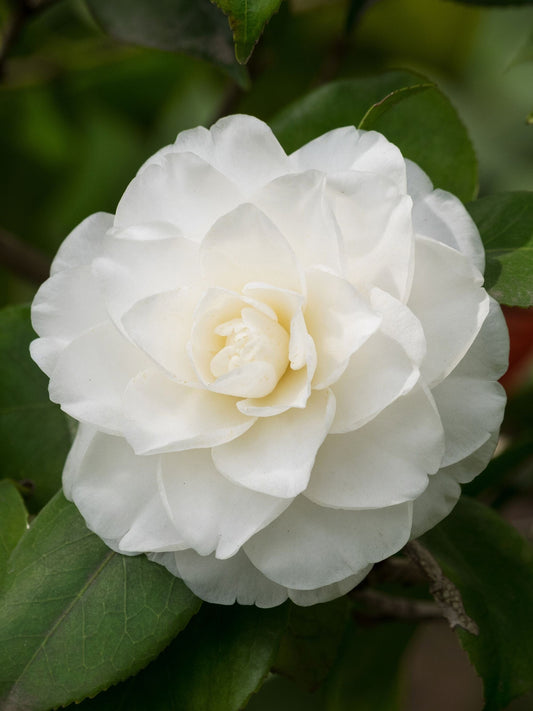
Meanwhile, species such as Magnolia pleached trees are often chosen for their glossy foliage, flowers, and softer Mediterranean feel rather than dense privacy.
Neither is “better”. They simply create very different looks.
Our Top 25 Best Pleached Trees for Privacy guide is a great place to compare popular species side by side.
Don’t Ignore Your Soil Type
Soil conditions can make a surprisingly big difference to how well certain pleached tree species establish and perform over time.
Some species are far more adaptable than others. For example, Portuguese Laurel pleached trees are often more tolerant of difficult conditions, including heavier clay soils.
Meanwhile, other species such as Red Robin pleached trees dislike sitting in overly wet ground and generally prefer more free-draining soil conditions.
New build gardens can also be particularly challenging. Compacted ground, rubble beneath the surface, poor drainage, or very shallow topsoil are all common issues that can affect long-term establishment.
If your garden has difficult conditions, it’s also worth reading Considerations Before Planting Pleached Trees and How to Plant Pleached Trees on a Slope.
Go With the Flow
Perhaps the most important thing to remember is that pleached trees naturally change throughout the year.
Even evergreen species renew older foliage in spring. Flowering trees bloom for relatively short periods. Deciduous trees lose their leaves in winter.
That seasonal movement is part of what makes gardens feel alive.
And honestly, that’s part of the magic.
One month your Crab Apple pleached trees are covered in blossom. A few months later, your Sweetgum pleached trees are putting on an autumn colour show. Then winter arrives and suddenly the evergreens quietly take centre stage again.
The best gardens rarely look identical all year round. They evolve with the seasons, soften over time, and gradually settle into the landscape around them.
That’s what makes them feel real. And it’s exactly why so many people fall in love with pleached trees in the first place.
From first planting to long-term care, our Care Guide, Watering Guide, and Pruning Guide are all designed to help you get the very best from your trees.
Try the Tree Finder Quiz or explore the full pleached tree collection.









![Ultra-Mature Small-Leaved Lime Pleached Tree [Tilia cordata 'Greenspire'] | Mature Pleached Trees](http://justpleachy.co.uk/cdn/shop/files/ultra-mature-small-leaved-lime-pleached-tree-tilia-cordata-greenspire-mature-pleached-trees-pleached-tree-deciduous-small-leaved-lime-pleachy-trees-248905.jpg?v=1746369655&width=533)